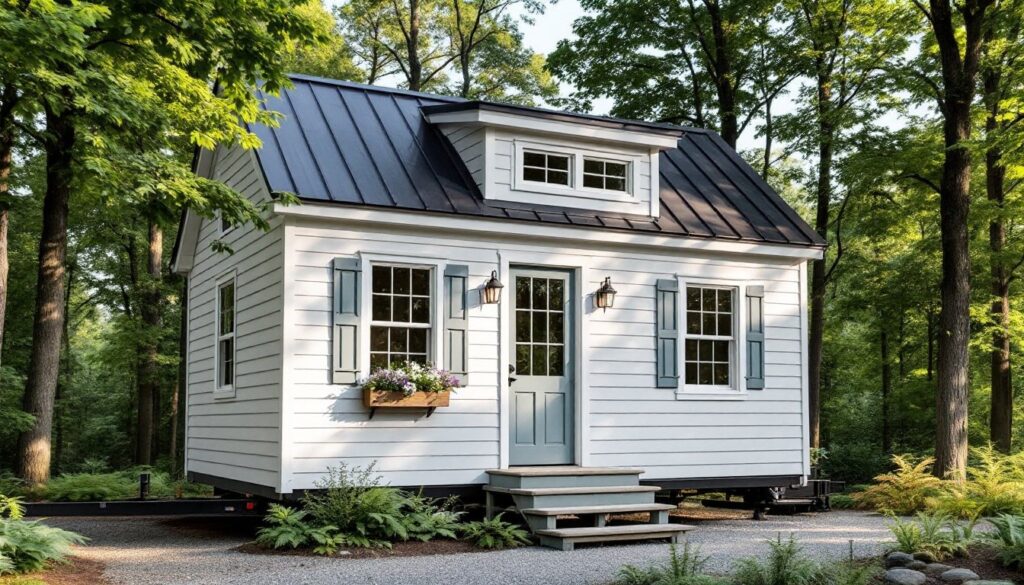

Cottage style tiny homes blend the warmth of traditional design with the efficiency of small-space living. They’re showing up on wooded lots, in suburban backyards, and on wheels, offering downsizers, first-time buyers, and retirees a home that feels less like a compromise and more like a retreat. Unlike minimalist modern boxes, cottage tiny homes lean into character: pitched roofs, dormer windows, board-and-batten siding, and interiors that look collected over time, not ordered in bulk. This guide walks through what defines cottage style in a tiny footprint, why it’s a practical choice, and how to plan or build one that doesn’t sacrifice charm for square footage.
Key Takeaways
- Cottage style tiny homes blend traditional warmth with efficient small-space living through distinctive design elements like pitched roofs, multi-pane windows, and board-and-batten siding that prevent exteriors from looking flat or cheap.
- Cottage tiny homes consistently outperform modern designs in resale and rental markets because buyers and renters associate the aesthetic with comfort and livability rather than novelty or compromise.
- Building a DIY cottage-style shell is achievable for competent carpenters in 6–8 weeks with total material costs between $30,000 and $50,000, making them competitive with turnkey options while maintaining design charm.
- Key interior features like tongue-and-groove ceilings, built-in benches, dimmable LED lighting, and a neutral color palette layered with textiles create authentic cottage warmth in spaces under 400 square feet.
- Cottage tiny homes age gracefully and satisfy neighborhood design review boards better than industrial or ultra-modern styles, offering practical advantages for permitting and long-term resale appeal.
- Proper planning for utilities, mini-split HVAC systems, ERV ventilation, and code-compliant egress windows ensures your cottage style tiny home is both livable and legal across foundation and trailer builds.
What Defines Cottage Style in Tiny Home Design?
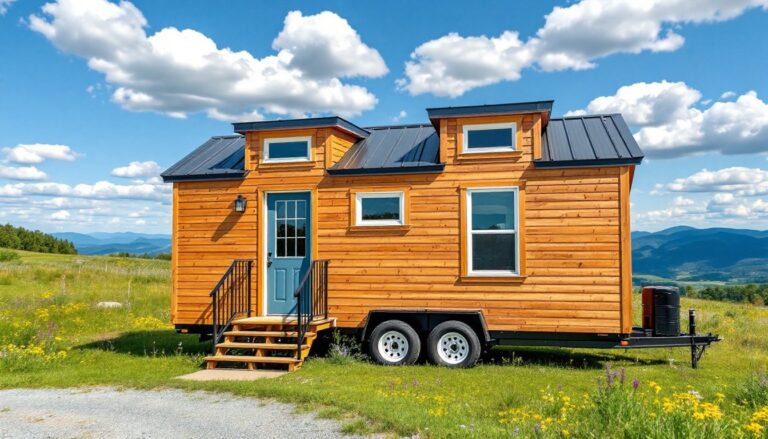
Cottage style isn’t just about gingham and flower boxes. It’s rooted in vernacular architecture, simple, functional homes built with local materials and adapted to climate. In tiny home terms, that translates to pitched roofs (often 8:12 or steeper) for attic storage or loft headroom, multi-pane windows (real or simulated divided lites), and horizontal siding like clapboard, shiplap, or board-and-batten.
Roof lines matter. A gable with a cross gable or a shed dormer adds visual interest and interior volume without expanding the footprint. Many reclaimed wood tiny homes use salvaged barn siding for exterior cladding, reinforcing that weathered, timeworn look.
Color palettes lean soft: whites, creams, sage greens, dusty blues, and weathered grays. Trim is often painted in contrasting tones, white trim on sage siding, or dark shutters on cream clapboard. Metal roofing (standing seam or corrugated) is common in modern cottage builds for durability, often in charcoal, bronze, or forest green.
Proportions are key. Cottage design uses smaller-scale details: narrow lap siding (4″ to 6″ exposure), multipane windows (6-over-6 or 9-over-9), and hardware that’s visible and functional, think strap hinges, barn door tracks, and wrought iron pulls. In a structure under 400 square feet, these details prevent the exterior from reading as flat or cheap.
Why Choose a Cottage Style Tiny Home?
Cottage style works well at small scale because it’s designed around coziness, not grandeur. The aesthetic expects nooks, alcoves, and varied ceiling heights, all natural byproducts of efficient tiny home layouts.
From a resale or rental perspective, cottage tiny homes consistently outperform stark modern designs in rural and suburban tiny home markets. Buyers and renters associate the style with comfort and livability, not novelty.
Build costs can be competitive. Cottage exteriors don’t require expensive curtain wall systems or exotic cladding. Wood siding, architectural shingles or metal roofing, and vinyl or wood windows are all readily available and DIY-friendly. A typical cottage-style shell on a trailer (up to 8.5′ wide, 13.5′ tall, 24′ long) can be framed and sided by a competent DIYer in 6–8 weeks, assuming access to basic carpentry tools and help for sheathing and roofing.
Practical advantages include easier permitting in some jurisdictions. Cottage aesthetics often satisfy neighborhood design review boards and HOA committees better than industrial or ultra-modern styles. If you’re planning a backyard ADU (accessory dwelling unit), a cottage tiny home may blend with existing housing stock, smoothing approval.
Finally, cottage style ages well. Paint can be refreshed, shutters swapped, and trim updated without the design reading as dated. Compare that to trends tied to specific eras, like 1970s A-frames or 1990s Mediterranean, which can feel locked in time.
Key Design Elements for Cottage Style Tiny Homes
Exterior Features That Create Cottage Charm
Siding and Trim
Board-and-batten, shiplap, or traditional clapboard (typically 1×6 or 1×8 nominal) are standard. Fiber cement siding like HardiePlank offers durability and a factory prime coat, saving time. Vertical board-and-batten works especially well on narrow tiny home facades, elongating the visual line. Always use a weather-resistant barrier (Tyvek or similar) under siding, and flash all penetrations, windows, vents, and doors, per IRC guidelines.
Roofing
A 10:12 or 12:12 pitch gives enough loft space for a sleeping area with 3’+ headroom at the ridge. Use metal roofing (26-gauge steel or aluminum) for longevity and low maintenance, or architectural shingles if you prefer a softer look. Metal sheds snow better and is lighter, important for trailer-mounted builds. For tiny homes on foundations, check local snow load requirements: most cottage roofs can handle 30–40 psf without engineered trusses, but verify with your jurisdiction.
Windows and Doors
Double-hung or casement windows with simulated or true divided lites (muntins) add authenticity. Vinyl windows from Pella or Andersen cost $150–$400 per unit depending on size and energy rating. For a 200-square-foot home, plan for 15–20 square feet of glazing minimum to meet egress and light requirements. A Dutch door or a solid wood door with a window lite feels cottage-appropriate and allows ventilation without fully opening the entry.
Inspiration from real cottage transformations shows how vintage hardware, window boxes, and a small covered porch (even 4′ deep) can shift a plain box into something inviting. Many builders working with ideas from small space design resources apply similar principles at tiny scale.
Interior Design Tips for Cottage Tiny Home Living
Walls and Ceilings
Tongue-and-groove pine or cedar planking on walls and ceilings brings texture and warmth. Install it horizontally or vertically depending on the room’s proportions, vertical planking can make a low ceiling feel taller. Paint it white or leave it natural with a clear polyurethane topcoat for moisture protection. Drywall is an option if you want smooth walls for hanging art or applying wallpaper (peel-and-stick works well in tiny spaces).
Built-Ins and Storage
Cottage interiors thrive on built-in benches, window seats, and under-stair storage. Use nominal 2×4 framing and 3/4″ plywood for bench boxes, finishing with beadboard panels or shiplap. Install cubbies, hooks, and shallow shelving (6″–8″ deep) along hallways and above doorways. Every vertical inch counts.
Lighting and Fixtures
Sconces, pendant lights with fabric or metal shades, and vintage-style Edison bulbs suit cottage interiors. Avoid recessed cans, they look commercial and waste ceiling depth. Wire for dimmable LED fixtures (2700K–3000K color temperature) to control mood. If running electrical yourself, follow NEC Article 210 for branch circuits and use 12/2 Romex for 20-amp circuits in kitchens and baths.
Flooring
LVP (luxury vinyl plank) mimics hardwood at a fraction of the cost and weight, important for trailer builds. Look for products rated for residential use with a 12–20 mil wear layer. Traditional oak or pine strip flooring (3/4″ thick) works on foundation builds but adds weight and requires acclimation. For a lived-in cottage look, consider wide-plank pine (6″–8″ wide) with a matte or distressed finish.
Color and Textiles
Stick to a base palette of whites and neutrals, then layer in color with textiles: linen curtains, wool throws, cotton rugs. Cottage style is forgiving, mismatched vintage pieces, open shelving with displayed dishware, and collected art all contribute to the aesthetic. Avoid matchy-matchy furniture sets.
Planning Your Cottage Style Tiny Home Build or Purchase
Foundation vs. Trailer
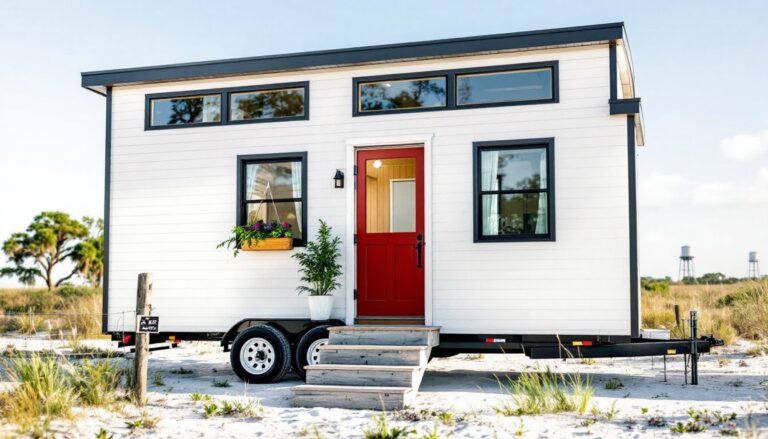
Cottage tiny homes work on permanent foundations (slab, crawlspace, or pier-and-beam) or on trailers. Trailers (typically a 24’–28′ flatbed rated for 10,000–14,000 lbs GVWR) allow mobility but limit width to 8.5′ without an oversize permit. Foundation builds can go wider, 12′ to 16′, and feel more like a traditional cottage. Check local zoning: some jurisdictions classify trailer-mounted homes as RVs, which may be restricted in residential zones.
Permits and Codes
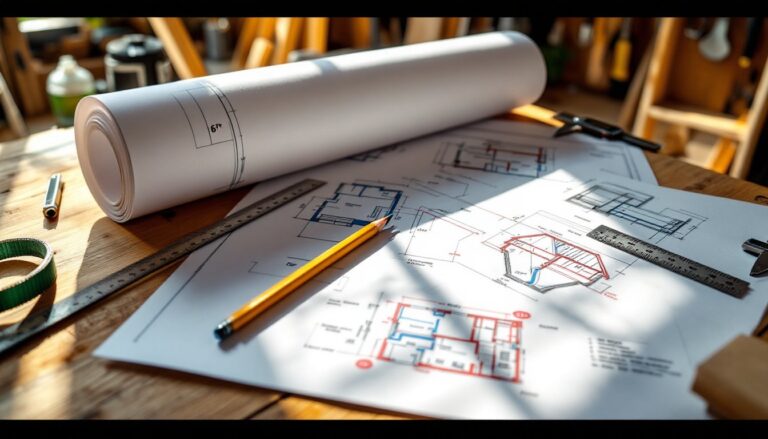
If you’re building on a foundation, expect to pull permits for electrical, plumbing, and structural work. Tiny homes under 400 square feet may qualify for simplified codes in some areas, but don’t assume. ADUs often require setbacks (typically 5’–10′ from property lines), utility connections, and compliance with IRC (International Residential Code) for egress windows (5.7 square feet minimum, 24″ wide, 20″ tall). Hiring a designer familiar with tiny home and ADU codes can save headaches.
DIY vs. Turnkey
Building your own cottage tiny home is feasible if you have carpentry skills and tools. Budget 400–600 hours for a basic shell and interior. Framing, sheathing, and roofing are straightforward: plumbing and electrical are where most DIYers bring in help. Turnkey builders charge $50,000–$100,000+ depending on finishes and location, but you’ll get a code-compliant, insured structure.
For design ideas and practical layouts, browsing tiny home resources can help refine your plan. If your household includes pets, consider details from pet-friendly builds like low windows, durable flooring, and built-in feeding stations.
Utilities and Systems
Cottage tiny homes can run on grid power, solar, or a hybrid. A 2,000-watt solar array with battery backup (e.g., 10 kWh LiFePO4 bank) supports lights, a mini-split, and small appliances in moderate climates. Propane is common for cooking and backup heat. For water, a 40-gallon RV freshwater tank and 12V pump work for off-grid setups: grid connections require standard 1/2″ PEX or copper supply lines and a code-compliant drain system.
HVAC in a tiny space: a mini-split heat pump (9,000–12,000 BTU) handles heating and cooling efficiently. Install the indoor head high on a wall, and keep the outdoor condenser at least 12″ off the ground on a pad. Ventilation matters, install an ERV (energy recovery ventilator) or at least a bath exhaust fan rated for 50+ CFM to manage humidity and cooking odors.
Budgeting and Materials
A DIY cottage tiny home shell (trailer, framing, siding, roofing, windows) runs $15,000–$25,000 in materials depending on region and finishes. Add $8,000–$15,000 for interior finishes, appliances, and fixtures. If contracting out electrical and plumbing, add $3,000–$6,000. Total DIY builds typically land between $30,000 and $50,000. Costs fluctuate with lumber prices and availability, check local suppliers and consider reclaimed materials where appropriate. Regional style influences can be seen in areas covered by Southern home design trends, where porches and outdoor living spaces are integrated into compact footprints.
Safety and PPE
Always wear safety glasses when cutting or nailing, hearing protection with power saws, and a dust mask or respirator (N95 or P100) when sanding, cutting treated lumber, or working with insulation. Use fall protection (harness and tie-off) if working on roofs steeper than 6:12 or above 6′ in height.
Conclusion
Cottage style tiny homes prove that small doesn’t mean stark. With thoughtful design, pitched roofs, natural materials, and interiors that feel curated, they deliver comfort and character in under 400 square feet. Whether you’re building from scratch, buying turnkey, or converting an existing structure, the cottage approach offers a flexible, livable blueprint that adapts to diverse sites and lifestyles. Plan carefully, respect building codes, and don’t skip the details that make a cottage feel like home.