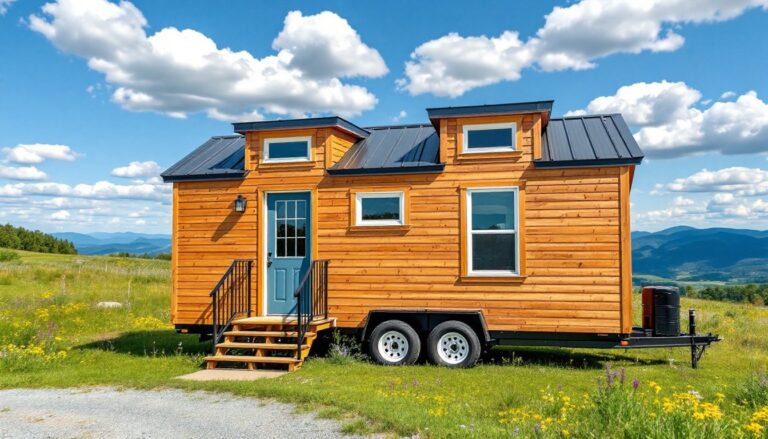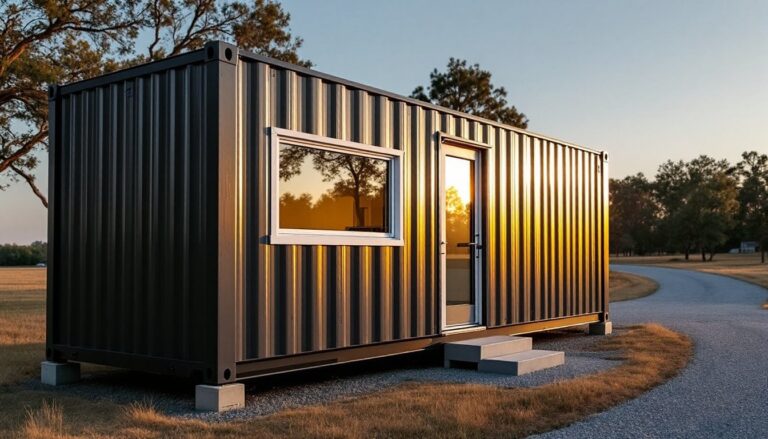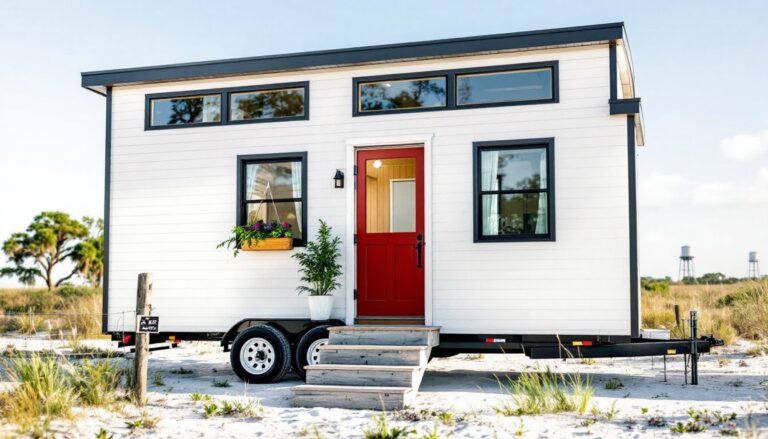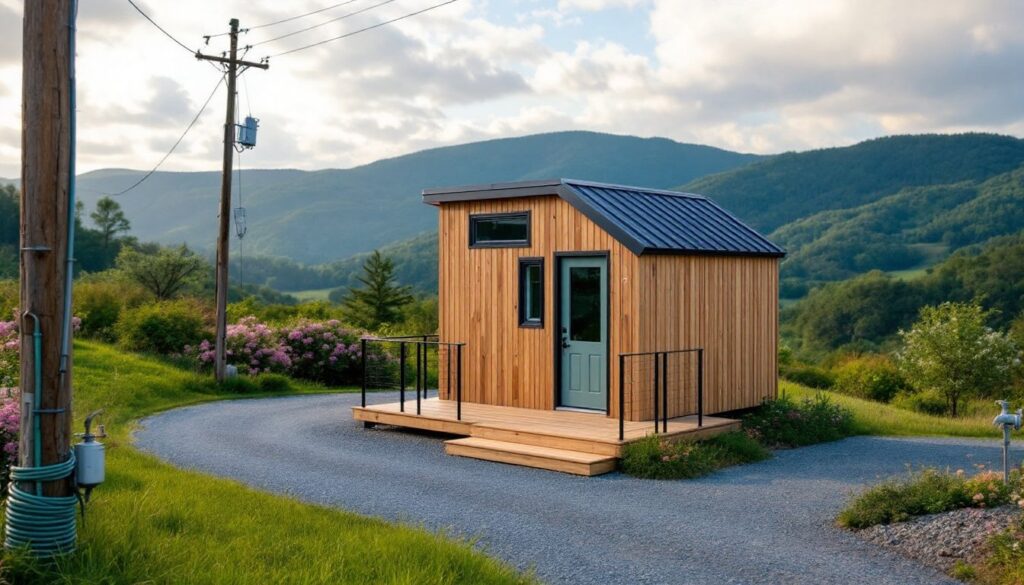

Johnson City, TN, sits at the crossroads of affordability, mountain charm, and a growing appetite for smaller footprints. If you’re weighing the leap from conventional housing to a tiny home, this corner of East Tennessee offers zoning flexibility, active communities, and a lower cost of living that makes downsizing financially viable. Whether you’re hunting for a turnkey build, a custom trailer-mounted unit, or land to park one, the options have multiplied in the past two years. This guide walks through where to find tiny homes for sale, what local regulations actually say, and how to navigate pricing and financing without hitting surprises at closing.
Key Takeaways
- Johnson City’s median home prices and moderate climate make tiny homes for sale in Johnson City a financially viable and practical choice for downsizing buyers, with finished units ranging from $45,000 to $120,000 depending on design and finishes.
- Before purchasing, verify zoning compliance with Washington County Planning & Zoning (423-753-1630), as IRC Appendix Q standards differ between city and county regulations, and permanent placement requires foundation inspection and proper egress requirements.
- Financing options include RV loans (6.5%–12% APR, 80% LTV), credit union programs through local East Tennessee institutions, USDA Rural Development loans for eligible land, or owner-financing from private sellers at 10% down and 7% interest.
- Foundation-based tiny homes hold resale value better than trailer models and qualify for conventional homeowners’ insurance at $600–$1,200 annually, while mobile units are classified as RVs with higher premiums and stricter coverage limits.
- Hidden costs including utility hookups ($1,500–$12,000), property taxes (0.73% in Washington County), insurance ($50–$100 monthly), and a 1–2% annual maintenance fund can add $20,000–$35,000 to the total purchase price over five years.
- Tiny-home communities like the Jonesborough development offer shared amenities and support networks but lock buyers into covenants, while private land leases ($200–$500 monthly) or outright land purchases ($15,000–$60,000 for 1–5 acres) provide more flexibility.
Why Johnson City Is Perfect for Tiny Home Living
Johnson City delivers three advantages that matter for tiny home buyers: cost, climate, and community.
The median home price in Washington County hovers around $280,000 as of early 2026, substantially lower than Nashville or Knoxville, which frees up capital for land acquisition or custom builds. A finished tiny home on wheels typically runs $45,000 to $85,000, while foundation models can stretch to $120,000 depending on finishes and square footage. That gap leaves room for site prep, utility hookups, and permits without draining savings.
Weather-wise, the region sees all four seasons without extreme swings. Winters drop to the low 30s°F, summers peak in the mid-80s°F, and annual rainfall sits near 42 inches. That moderate range means you don’t need arctic-grade insulation or oversized HVAC, both of which eat precious square footage and budget. R-19 wall insulation and a ductless mini-split handle most scenarios comfortably.
The community angle matters more than many buyers expect. Johnson City’s proximity to Boone, Asheville, and the Tri-Cities metro means you’re close to farmers’ markets, co-working spaces, and weekend trail access without sacrificing small-town simplicity. Several Facebook groups and Meetup circles connect tiny-home dwellers for skill swaps, parking advice, and bulk material orders. That network becomes essential when you’re troubleshooting composting toilets or sourcing reclaimed siding.
Where to Find Tiny Homes for Sale in Johnson City
Online Marketplaces and Tiny Home Builders
Start with Tiny House Listings and Tiny Home Builders, both of which aggregate inventory from manufacturers, owner-sellers, and dealers. Filter by delivery radius: many builders within 150 miles of Johnson City will deliver and set a unit on your site for a flat fee (typically $1.50 to $3.00 per loaded mile).
Local fabricators worth contacting include New Frontier Tiny Homes in Nashville (about 300 miles west but they ship regionally) and Incredible Tiny Homes based in Morristown, TN, just 65 miles southwest. Morristown builds on trailers certified to NOAH (National Organization of Alternative Housing) standards, which simplifies insurance and resale. Expect lead times of 12 to 20 weeks for custom orders: turnkey models sometimes ship in four to six weeks if they’re already framed.
Facebook Marketplace and Craigslist turn up owner-sold units, often priced 20–30% below builder rates. Inspect carefully: check the trailer frame for rust, confirm all appliances function, and verify that electrical work meets NEC Article 551 for RVs (many tiny homes reference this code). Bring a multimeter and a level: floors should register less than 1/4 inch drop per 10 feet to avoid door-swing and cabinetry issues.
Local Lots and Tiny Home Communities
Two models dominate the local landscape: private land leases and emerging tiny-home villages.
Private leases pop up on Craigslist and through word-of-mouth. Landowners with acreage in Unicoi County, Washington County, or Carter County often welcome a tiny home tenant in exchange for $200 to $500 monthly rent. Confirm utility access, well water, septic or composting systems, and 200-amp electrical service are table stakes. Some lots offer RV hookups only, which limits wastewater capacity and requires regular tank pump-outs.
Tiny-home communities are newer but growing. As of spring 2026, one development near Jonesborough offers 16 designated pads with shared amenities: gravel roads, fiber internet, and a communal workshop. Monthly HOA fees run $150, and lot leases start at $350. The trade-off? You gain neighbors, bulk trash service, and snow removal, but you’re locked into community covenants that may restrict exterior paint colors or addition sizes.
Another option: buy rural land outright. Parcels in the 1- to 5-acre range sell for $15,000 to $60,000 in outlying areas. Budget an additional $8,000 to $20,000 for well drilling (typical depth 150–300 feet), septic installation (conventional or aerobic systems), and electrical service drop. That upfront cost buys long-term flexibility and no landlord.
What to Know Before Buying a Tiny Home in Johnson City
Zoning Laws and Placement Regulations
Washington County and the City of Johnson City diverge on tiny-home classification. Inside city limits, structures under 400 square feet on permanent foundations may qualify as accessory dwelling units (ADUs) if the primary residence exists and meets setback minimums, typically 10 feet from side property lines and 25 feet from the rear. Tiny homes on wheels fall under the RV or manufactured-home umbrella, which restricts long-term occupancy in residential zones unless the property carries agricultural or recreational zoning.
Outside city limits, county regulations loosen. Many unincorporated parcels allow RV living for up to 180 days per calendar year without a dwelling permit, provided you’re not connected to public sewer. Permanent placement requires a foundation inspection and compliance with the International Residential Code (IRC) Appendix Q for tiny houses, adopted by Tennessee in 2020. Key IRC Appendix Q points:
- Minimum ceiling height: 6 feet 8 inches in habitable rooms: lofts can drop to 6 feet 2 inches over 50% of the floor area.
- Egress: At least one exit door 32 inches wide by 6 feet 8 inches tall: loft sleeping areas need an emergency escape opening at least 5.7 square feet.
- Stairs: Minimum tread depth of 7 inches, maximum riser of 12 inches (steeper than conventional stairs, so handrails are mandatory).
Before closing on land or signing a lease, call the Washington County Planning & Zoning office at (423) 753-1630. Ask if your parcel is zoned R-1 (single-family residential), R-A (residential-agricultural), or another category, and request a written opinion on tiny-home placement. Some buyers skip this step and face enforcement notices six months later.
Permits vary by foundation type. A tiny home on a trailer often requires only an electrical inspection if you’re plugging into an existing RV pedestal. Foundation models trigger a building permit ($150–$400 depending on square footage), electrical permit, plumbing permit, and final occupancy inspection. Budget two to four weeks for inspections and approvals.
Homeowners insurance and financing hinge on classification. Standard carriers treat tiny homes on wheels as RVs, which caps coverage and raises premiums. Foundation-based units under 600 square feet may qualify for conventional homeowners’ policies if they meet IRC Appendix Q. Some insurers now offer tiny home policies tailored to non-traditional builds, covering theft, weather damage, and liability at rates around $600 to $1,200 annually.
Pricing and Financing Your Tiny Home Purchase
Expect $400 to $600 per square foot for a professionally built tiny home, all-in. A 240-square-foot model with mid-grade finishes, bamboo flooring, quartz countertops, basic appliances, lands around $72,000 to $96,000. Add $10,000 to $15,000 for upgrades like composting toilets, solar panels (a 3 kW system runs $9,000 to $12,000 installed), or custom cabinetry.
Financing a tiny home on wheels resembles RV financing more than a mortgage. Lenders like LightStream and Essex Credit offer personal loans or RV loans with terms up to 15 years, interest rates from 6.5% to 12% depending on credit score, and loan-to-value caps around 80%. That means you’ll need 20% down, $14,400 on a $72,000 unit, and monthly payments hover near $675 at 8% APR over 12 years.
Foundation tiny homes under 400 square feet rarely qualify for conventional mortgages because Fannie Mae and Freddie Mac set minimum square-footage thresholds (typically 600 square feet). Some credit unions in East Tennessee, including Eastman Credit Union and Y-12 Federal Credit Union, pilot programs for alternative housing. Terms cap at 10 years, require 25% down, and rates run slightly higher than traditional mortgages.
Cash purchases remain common. Selling a conventional home in Johnson City and buying a tiny home outright eliminates monthly housing payments, freeing income for travel, retirement savings, or the veteran tiny home movement, which emphasizes financial independence and community reintegration.
Hidden costs to factor:
- Delivery and setup: $2,000 to $5,000 if the builder hauls and levels the unit.
- Utility hookups: Electrical service drop averages $1,500: septic or composting toilet installation adds $3,000 to $12,000.
- Property taxes: Tiny homes on permanent foundations are taxed as real property. Washington County’s rate sits around 0.73% of assessed value. A $90,000 foundation tiny home generates roughly $660 annually in property tax.
- Insurance: $50 to $100 per month depending on coverage and location.
- Maintenance fund: Set aside 1–2% of home value yearly for roof sealant, appliance repairs, and trailer bearing grease if mobile.
Some buyers explore owner-financing through private sellers, particularly for used units. Terms vary widely, 10% down, 7% interest, five-year balloon payments are typical, but you skip credit checks and appraisal fees. Read the promissory note carefully and consider having a real-estate attorney review it ($200 to $400 flat fee).
For those financing land separately, USDA Rural Development loans cover properties in eligible Washington County zip codes with zero down payment for qualified buyers. Combine that with a personal loan for the tiny home, and total out-of-pocket drops significantly. Check USDA’s eligibility map and reach out to a local lender familiar with rural housing programs.
Final note on resale: tiny homes on wheels depreciate similarly to RVs, about 10% in the first year, then 5% annually. Foundation models hold value better, especially if they meet IRC Appendix Q and sit on deeded land. If you’re viewing a tiny home as a stepping stone rather than a forever home, factor depreciation into your five-year budget. Upgrades like efficient storage solutions and quality finishes improve resale appeal, but don’t expect dollar-for-dollar ROI on solar or composting systems.
Safety reminder: Always wear gloves and eye protection when inspecting used tiny homes, particularly around electrical panels and propane systems. Bring a flashlight to check underbelly insulation and vapor barriers, moisture intrusion is the #1 killer of tiny-home longevity.