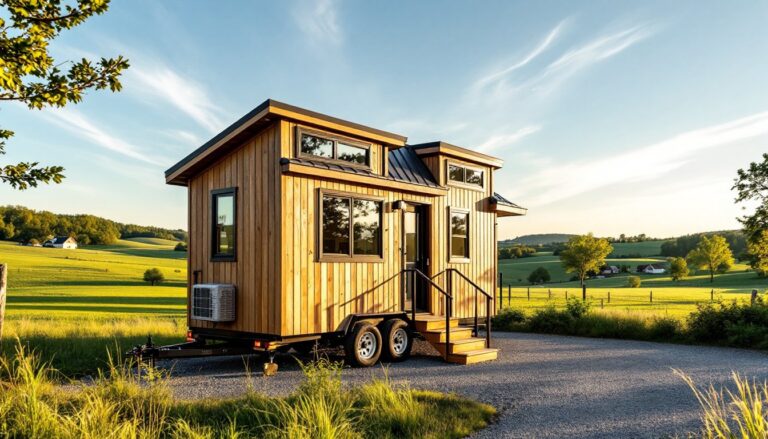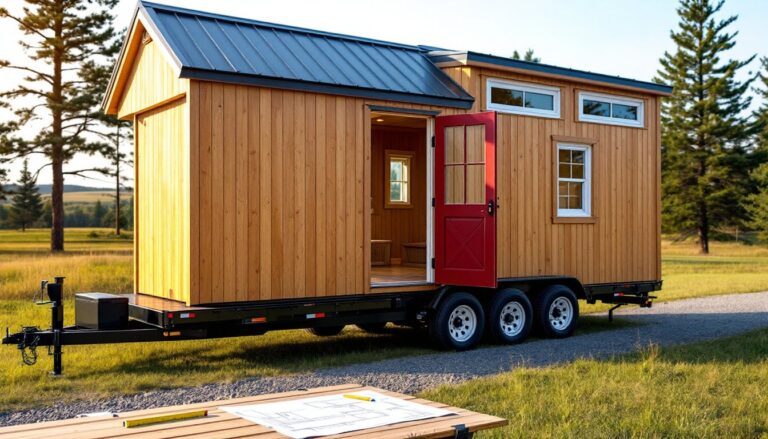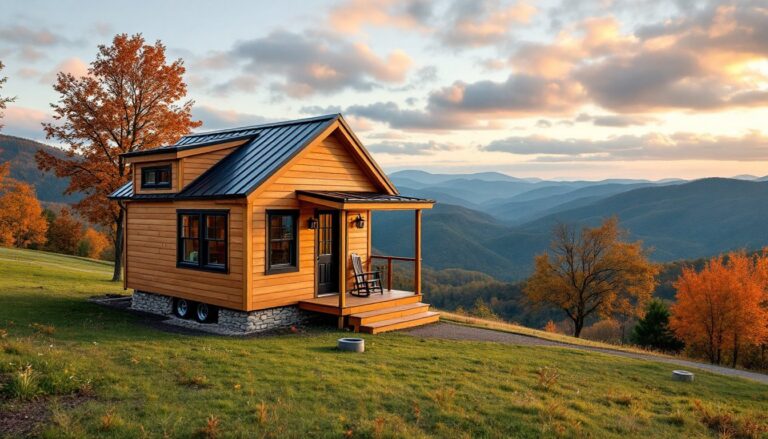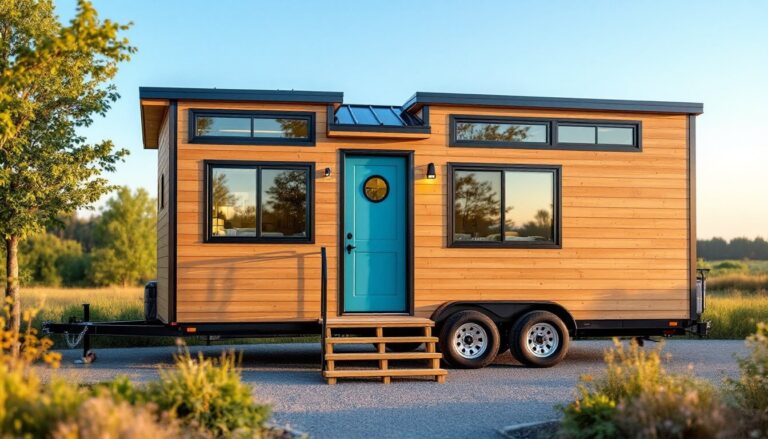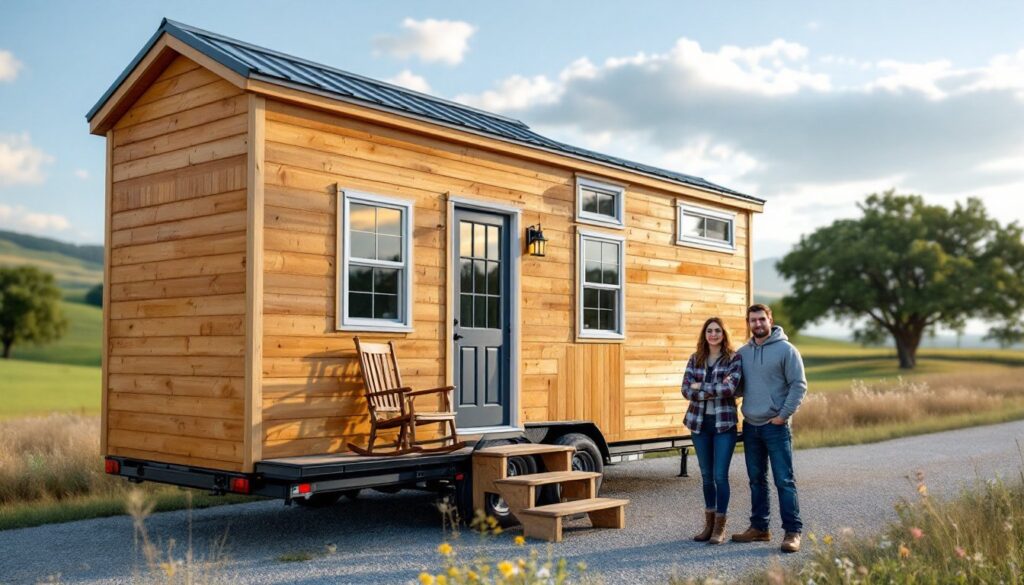

When Tiny House Nation premiered on FYI (later moving to A&E), it sparked a nationwide fascination with downsized living. The show followed hosts John Weisbarth and Zack Giffin as they designed and built custom tiny homes for families ready to shed square footage and debt. But the cameras stopped rolling years ago, and the big question remains: did those homeowners actually stick with tiny living? Some thrived. Others packed up and left within months. The truth is messier, and more instructive, than the 42-minute episodes suggested. This article tracks down what really happened to the participants and what their experiences reveal about the tiny house movement.
Key Takeaways
- Tiny House Nation participants had mixed outcomes—while some achieved financial freedom and downsized successfully, others abandoned their homes within months due to space constraints, zoning violations, and unexpected costs.
- Legal and zoning restrictions are the biggest obstacles: most towns prohibit tiny houses on wheels as permanent residences, requiring homes to meet minimum square footage (600–1,000 sq ft) and be on permanent foundations.
- Success in tiny living depends on realistic planning, code compliance, honest self-assessment of lifestyle needs, and choosing legal parking options—not TV-ready fantasy and Instagram aesthetics.
- Hidden costs including land/parking fees ($600–$1,000/year insurance), maintenance, and utilities can reach $1,400+ monthly, far exceeding the low costs promoted on television.
- Before downsizing, verify local zoning regulations, spend time in a tiny home to test livability, and honestly assess whether your household can adapt to close quarters without mobility or privacy issues.
What Happened to Tiny House Nation and Its Participants?
Tiny House Nation aired its final episode in 2019 after five seasons. The show built over 100 custom tiny homes, ranging from 100 to 400 square feet, often on trailers to skirt zoning restrictions. But the end of production didn’t mean everyone lived happily ever after in their miniature dwellings.
Several participants have gone public with their experiences, both good and bad. Some still live in their tiny homes and credit the downsizing with financial freedom and a simpler lifestyle. Others sold or abandoned their homes within a year, citing space constraints, zoning battles, or unexpected maintenance costs. A few families featured on the HGTV series never actually moved into their completed builds, opting instead to use them as guest houses or rental properties.
The show itself faced controversy. In 2019, a couple sued the production company and hosts, claiming they were left with an unfinished, code-violating structure and a pile of debt. The case highlighted a gap between TV storytelling and real-world building standards. While the show delivered entertainment, it often glossed over permit requirements, local building codes, and the realities of living in under 200 square feet with kids and pets.
Success Stories: Homeowners Who Thrived in Their Tiny Homes
Not every participant regretted their decision. Several families featured on the show remain vocal advocates for tiny living, citing reduced expenses, minimalist lifestyles, and increased mobility.
One couple from Colorado downsized from a 2,000-square-foot home to a 204-square-foot tiny house on wheels. They eliminated their mortgage, slashed utility bills, and now travel seasonally, parking on private land and campgrounds. They credit meticulous planning, custom cabinetry with hidden storage, a composting toilet, and a propane-powered on-demand water heater, for making the space livable long-term.
Another success story involved a single professional who built a 320-square-foot ADU (accessory dwelling unit) in her parents’ backyard in Oregon. Because it met IRC Appendix Q standards for tiny houses and local zoning allowed ADUs, she avoided the legal headaches many face. She uses radiant floor heating, a mini-split HVAC system, and strategically placed windows for passive ventilation. Five years later, she’s still there and renting out her former apartment for passive income.
What these success stories share: realistic expectations, solid construction meeting code, and legal places to park. They didn’t romanticize the lifestyle, they engineered it.
The Challenges: Why Some Families Left Tiny Living Behind
For every success story, there’s a family who lasted six months and bailed. The most common complaints? Lack of privacy, insufficient storage, and the sheer difficulty of raising kids in a lofted bedroom accessible only by ladder.
One family from North Carolina, featured in Season 3, moved back into a conventional home after 18 months. The parents cited constant arguments over space, no room for homeschooling materials, and the impossibility of hosting guests. Their 280-square-foot home had a sleeping loft, a fold-down dining table, and a two-burner cooktop, functional on paper, claustrophobic in practice.
Another couple discovered that tiny house living wasn’t as mobile as advertised. Towing a 10,000-pound structure requires a heavy-duty truck, special hitches, and permits for oversized loads in many states. After one move that cost $1,200 in fees and took two days, they parked permanently and admitted they’d have been better off with a small stick-built cottage.
Maintenance also blindsided some owners. Tiny homes on trailers experience constant vibration and flexing, leading to cracked tiles, leaking windows, and loose fasteners. One owner reported re-caulking exterior seams every six months and replacing shingles damaged by road debris. For those seeking inspiration on small-space living, the reality check was harsh.
Legal and Zoning Issues That Derailed Tiny House Dreams
Here’s the hard truth the show often sidestepped: most towns don’t allow tiny houses on wheels as permanent residences. Zoning codes typically require homes to meet minimum square footage (often 600–1,000 square feet), be on permanent foundations, and connect to municipal water and sewer.
Several Tiny House Nation participants learned this the hard way. One family in California was fined $500 per day for parking their tiny house on their own property in violation of local zoning. They eventually moved it to an RV park, which classified it as a recreational vehicle, limiting their stay to six months per year.
Other jurisdictions classify tiny houses on trailers as RVs, subjecting them to different rules. Many RV parks prohibit full-time living or require periodic re-registration. Some counties allow tiny homes only as ADUs on properties with existing primary dwellings, and only if the ADU meets IRC codes, including egress windows, minimum ceiling heights (6’8″ in habitable rooms, 6’4″ in bathrooms), and smoke/CO detectors.
A few states have adopted Appendix Q of the International Residential Code, which sets standards for tiny houses between 120 and 400 square feet. But adoption is inconsistent. Before building or buying, check with your local building department and verify that you have legal parking options for tiny homes. Don’t assume you can park anywhere just because it’s on wheels.
Lessons Learned: What Tiny House Nation Taught Future Builders
Even though the mixed outcomes, Tiny House Nation left a valuable legacy for DIYers and aspiring tiny homeowners. Here’s what the show, and its participants, taught the movement:
Design for your actual lifestyle, not an idealized one. If you cook elaborate meals, a two-burner cooktop and a mini-fridge won’t cut it. If you work from home, you need a real desk, not a fold-down shelf. Honest self-assessment beats Instagram aesthetics.
Build to code, even if you’re on wheels. Use proper fasteners, weatherproofing, and insulation. Tiny homes face the same environmental stresses as RVs but often lack the engineering. Hire a licensed electrician for wiring: the NEC applies to tiny houses, and insurance companies will ask for proof of code compliance.
Plan for utilities before you build. Decide whether you’ll use standard shore power (30-amp or 50-amp RV service), solar with battery backup, or grid-tied electric. Same for water: city hookup, well, or freshwater tanks? Composting toilets work, but they require daily maintenance and aren’t legal everywhere.
Budget for hidden costs. Land or parking fees, insurance (often $600–$1,000/year), propane refills, truck fuel if you move, and maintenance add up. One owner calculated her true cost of tiny living at $1,400/month, not the $300/month the show implied.
Consider accessibility. Ladder lofts are tough for anyone with mobility issues, injuries, or aging joints. If you’re planning long-term, a single-level layout with a main-floor bedroom may be smarter. Some builders create accessible tiny home designs that accommodate wheelchairs or walkers without sacrificing livability.
Is Tiny Living Right for You? Key Considerations Before Downsizing
If you’re inspired to downsize, ask yourself these questions before committing:
Can you legally park or build where you want to live? Call your local zoning office. Don’t rely on what worked in another state or what you saw on TV.
Are you willing to purge 80% of your possessions? Tiny living demands ruthless decluttering. Organizing strategies help, but you’ll still need to let go of most of what you own.
Do you have realistic expectations about space? Visit a tiny home in person or rent one on Airbnb for a week. Live in it like you would at home, cook, work, clean. See how it feels.
Can you handle DIY maintenance, or afford to hire help? Tiny homes aren’t maintenance-free. Roof leaks, plumbing issues, and electrical problems still happen.
Will your household dynamic survive close quarters? If you have kids, pets, or a partner with different schedules, consider whether 200 square feet will feel cozy or suffocating. Some families thrive with pet-friendly tiny layouts that include dedicated animal spaces, while others find the tradeoffs too steep.
Are you building for mobility or permanence? Tiny houses on trailers offer flexibility but come with towing, parking, and maintenance challenges. If you plan to stay put, a small stick-built home on a foundation may be simpler and cheaper long-term.
Conclusion
The legacy of Tiny House Nation is complicated. The show introduced millions to an alternative housing model, but it also oversimplified the legal, financial, and emotional realities of tiny living. Some participants found freedom and financial relief: others faced fines, debt, and regret. The lesson? Tiny living works, but only when it’s built on realistic planning, code compliance, and honest self-awareness, not TV-ready fantasy.