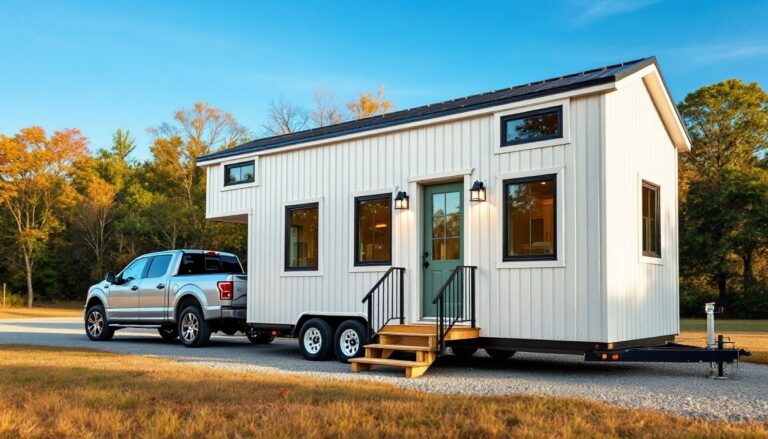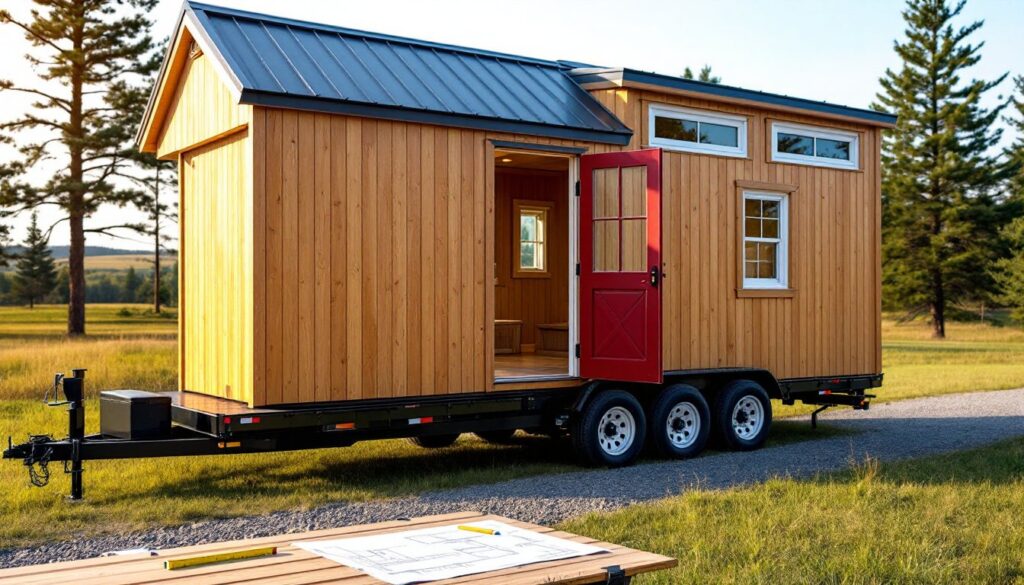

Designing a tiny house on wheels (THOW) isn’t just about shrinking square footage, it’s about rethinking how space, structure, and mobility intersect. Unlike traditional stick-built homes, a THOW sits on a trailer foundation, which means every design decision must account for road weight limits, axle load distribution, and the physics of hauling a structure at highway speeds. Whether someone’s building for full-time living, weekend getaways, or rental income, the right plans make the difference between a sound, roadworthy home and a costly rebuild. This guide walks through the essentials of THOW plans, from trailer specs to floor layouts, so builders can approach their project with confidence and avoid the pitfalls that trip up first-timers.
Table of Contents
ToggleKey Takeaways
- Tiny house on wheels plans must account for trailer weight limits, axle load distribution, and road safety to avoid costly rebuilds or structural failure.
- Quality THOW plans should include detailed framing diagrams, materials lists, weight budgets, and trailer-specific anchoring details to guide safe construction.
- Proper weight distribution is critical—place heavier elements like appliances and tanks near the trailer’s center, keep tongue weight at 10-15% of total weight, and verify final weight at a truck scale before traveling.
- Common THOW layouts include single-loft (16-24 ft), double-loft (24-28 ft), ground-floor bedroom, and gooseneck designs (28-34 ft), each optimizing for different priorities like mobility or accessibility.
- A DIY tiny house on wheels typically costs $20,000–$50,000, while professionally built models run $60,000–$120,000+; RV loans, personal loans, and cash are common financing options since banks typically won’t mortgage THOWs.
- Avoid common mistakes like ignoring weight limits, skipping moisture barriers, using poor fasteners, and inadequate anchoring—proper execution of plans ensures a roadworthy, safe home that lasts.
Why Choose a Tiny House on Wheels?
A THOW offers flexibility that a permanent foundation can’t match. Owners can relocate without selling, test different climates or neighborhoods, and bypass some zoning restrictions that prohibit permanent tiny homes. Because THOWs are classified as RVs in many jurisdictions, they often dodge minimum square footage requirements and building codes that apply to site-built structures, though this varies widely by state and municipality.
Mobility also means easier evacuation during natural disasters and the ability to follow job opportunities or seasonal preferences. For those exploring off-grid electrical systems, a THOW can park on rural land without immediate utility hookups, using solar panels and composting toilets to achieve independence.
That said, mobility introduces engineering challenges. Road vibration subjects framing and finishes to constant stress. Vertical clearance limits roof pitch and loft height. And the trailer itself is a fixed cost, typically $4,000 to $7,000 for a new dual-axle unit rated for 10,000 to 14,000 pounds GVWR. Anyone planning a THOW should confirm their tow vehicle’s capacity and understand DOT regulations for wide loads (anything over 8.5 feet typically requires permits and escort vehicles in most states).
Essential Elements of Tiny House on Wheels Plans
Quality THOW plans go beyond pretty elevations. They include detailed framing diagrams, a materials list with cut lengths, and trailer-specific anchoring details. Look for plans that specify actual lumber dimensions (a 2×4 stud is really 1.5″ × 3.5″), fastener schedules, and sheathing layout. Plans should also address:
- Roof design: Low-slope or shed roofs keep overall height under the 13.5-foot limit for most highway travel without special permits. Steeper pitches add interior volume but require drop-axle trailers to stay legal.
- Wall framing: Advanced framing techniques (24-inch on-center studs, single top plates) save weight. Plans should indicate where to use hurricane ties or metal strapping to secure framing to the trailer during transit.
- Window and door placement: Openings must align with trailer frame members for load transfer. Plans should show blocking and headers sized for the span.
- Utility routing: Plumbing, electrical, and HVAC chases need clear paths that won’t interfere with structural members. Plans should specify chase locations and sizes.
Many advanced builders recommend plans that include a weight budget spreadsheet, breaking down framing, sheathing, insulation, siding, roofing, and interior finishes by category. This helps prevent overloading the trailer’s axles, which can lead to tire blowouts or frame damage on the road.
Trailer Foundation and Weight Distribution
The trailer is the literal foundation of a THOW, and improper load distribution is the most common structural mistake. A trailer’s gross vehicle weight rating (GVWR) is not the same as its payload capacity, subtract the trailer’s empty weight to find how much house it can carry. For example, a 24-foot dual-axle trailer with a 10,000-pound GVWR might weigh 2,200 pounds empty, leaving 7,800 pounds for the structure.
Plans should specify tongue weight (the downward force on the hitch), which should be 10-15% of total weight for stable towing. Too little tongue weight causes sway: too much overloads the tow vehicle’s rear axle. Builders achieve proper balance by placing heavier elements, kitchen appliances, water tanks, bathroom fixtures, near the trailer’s center, just ahead of the axles.
Trailer frame specs matter. Look for steel I-beams or C-channel construction, not wood deck-over trailers meant for cargo. The trailer should have a welded steel subframe with cross-members every 16 to 24 inches to support floor joists. Many THOW-specific trailers include an integrated deck, eliminating the need for separate floor framing. If plans call for a DIY trailer, consult a structural engineer and verify weld specs meet ASTM standards.
Popular Tiny House on Wheels Floor Plan Layouts
THOW layouts fall into a few proven archetypes, each optimizing for different priorities:
Single-loft layout (16-24 feet): A sleeping loft over the main living area, with kitchen and bathroom on the ground floor. This is the most common design, offering 100-200 square feet of living space plus a 40-60 square foot loft. Stair access is safer than ladders for daily use, but stairs consume 10-15 square feet.
Double-loft layout (24-28 feet): Lofts at both ends, with living space in the center. Works for couples or families. The challenge is maintaining headroom, lofts need at least 3.5 feet of clearance for sleeping comfort, which limits the main floor ceiling to around 6.5 feet under a standard 13.5-foot total height.
Ground-floor bedroom (20-28 feet): Eliminates loft ladders, making the home more accessible and suitable for those with mobility needs. Trades vertical space for horizontal, requiring a longer trailer. Often includes a murphy bed or convertible furniture to maximize daytime living area.
Gooseneck design (28-34 feet): Uses a gooseneck trailer (typically used for horse trailers), placing the bedroom over the tow vehicle’s bed. Adds 40-60 square feet without increasing road length. Requires a fifth-wheel hitch and a heavy-duty truck. The elevated bedroom gains ceiling height, but the design limits window placement on one end.
The best layout depends on how many people will live in the space, whether they’ll have pets (pet-friendly design tweaks), and how often the house will move. Frequent movers should minimize custom cabinetry and delicate finishes that can loosen or crack over time.
Where to Find Quality Tiny House on Wheels Plans
Free plans exist online, but quality varies wildly. Many lack engineering stamps, material lists, or construction details. For a first build, it’s worth paying for professionally drafted plans that include:
- Stamped engineering drawings (required for building permits in some areas and for insurance)
- Step-by-step construction sequences with photos or diagrams
- Materials takeoff with quantities and suggested suppliers
- Electrical and plumbing schematics that meet NEC and IPC standards
Reputable sources include:
- Tiny House Design: Offers plans with engineering stamps for specific states. Prices range from $500 to $1,500.
- Four Lights Tiny House Company: Includes detailed build manuals with each plan set.
- The Tiny Project: Focuses on modern aesthetics and customizable layouts, with options to modify plans before purchase.
Some builders adapt existing plans or work with architects familiar with RV construction. If modifying plans, any structural changes, moving walls, enlarging windows, altering roof pitch, should be reviewed by a structural engineer to ensure the trailer’s load capacity isn’t exceeded and the building stays roadworthy.
For DIYers comfortable with design software, SketchUp and Chief Architect offer tools to draft custom plans. But even custom designs benefit from a professional review, especially for framing and anchoring details that differ from site-built practices.
Budget Considerations and Cost-Saving Tips
A DIY THOW typically costs $20,000 to $50,000, depending on size, finishes, and whether the builder does all the work. Professionally built models run $60,000 to $120,000+. Major cost categories:
- Trailer: $4,000–$7,000 for new, $2,000–$4,000 used (inspect welds and axle condition carefully)
- Framing and sheathing: $3,000–$6,000 (lumber, OSB, house wrap)
- Windows and doors: $1,500–$4,000 (RV windows weigh less but cost more: residential windows are cheaper but add weight)
- Roofing: $800–$2,000 (metal roofing is lighter and more durable than asphalt shingles)
- Insulation: $500–$1,500 (spray foam offers best R-value per inch but costs more than fiberglass batts)
- Interior finishes: $5,000–$15,000 (cabinets, flooring, paint, fixtures)
- Appliances and systems: $3,000–$8,000 (propane or electric, HVAC, water heater)
Cost-saving strategies:
- Buy lumber in bulk or mill-direct to save 10-20%.
- Use reclaimed or scratch-and-dent materials for non-structural elements (flooring, siding, countertops).
- Install a mini-split heat pump instead of separate heating and cooling systems.
- Choose vinyl or metal siding over wood, which requires ongoing maintenance.
- DIY interior finishes, paint, trim, cabinetry, where skill level allows.
Financing is tricky. Most banks won’t write mortgages for THOWs because they’re not real property. Options include RV loans (if the build qualifies as an RV), personal loans, or cash. Insurance is also unique, some RV insurers cover THOWs, but policies may exclude structures parked long-term or used as primary residences. Shop around and confirm coverage details before starting the build.
Common Mistakes to Avoid When Using THOW Plans
Even great plans can lead to problems if builders skip steps or make assumptions:
Ignoring weight limits: Every material decision affects the final weight. Tile floors, heavy countertops, and oversized appliances add up fast. Weigh the finished house at a truck scale before the first trip to confirm it’s within the trailer’s GVWR and that axle loads are balanced.
Skipping moisture barriers: THOWs face extreme weather during transport. Use house wrap, waterproof membranes under windows and doors, and proper flashing. Leaks lead to mold and rot, often hidden inside walls until major damage occurs.
Poor fastener choices: Road vibration loosens screws over time. Use construction adhesive with fasteners, and spec structural screws (e.g., GRK or Spax) instead of nails for critical connections. Avoid drywall screws for framing, they’re brittle under shear loads.
Inadequate anchoring: The house must be bolted to the trailer frame with lag bolts or through-bolts, not just toe-screwed to a deck. Plans should specify bolt size, spacing, and locations. Add metal strapping or hurricane ties at roof-to-wall and wall-to-floor connections.
Not planning for parking: A finished THOW needs somewhere to park legally. Zoning laws, HOA rules, and RV park regulations vary widely. Research parking options early, before investing in the build. Some areas allow THOWs as ADUs (accessory dwelling units), while others ban them outright.
Underestimating build time: First-time builders often take 6-12 months working part-time. Rushing leads to mistakes. Follow the plan’s sequence, framing, sheathing, windows, roofing, then interior work. Trying to work out of order (like installing cabinets before electrical is roughed in) creates rework.
Safety gear matters: Always wear safety glasses, hearing protection when using power tools, and a respirator for spray foam, paint, or sawdust. Keep a fire extinguisher on site and ensure proper ventilation when working with adhesives or finishes.
By respecting the engineering behind THOW plans and taking time to execute each step carefully, builders can create a home that’s safe, legal, and ready for the road. The design and construction process requires patience, but the payoff is a custom space built to personal specs and ready to roll wherever life leads.