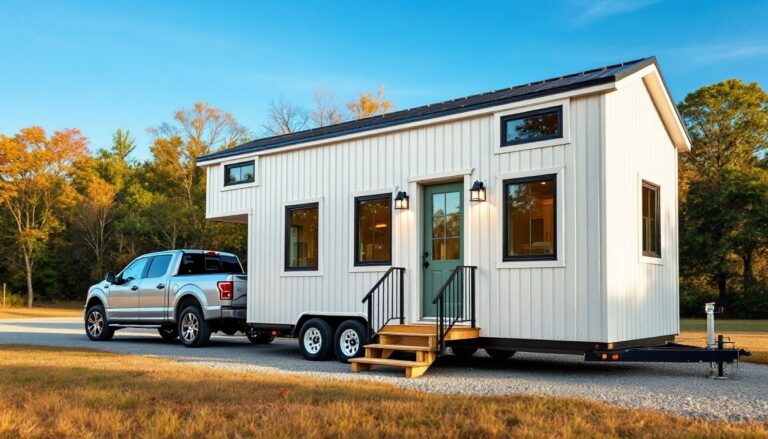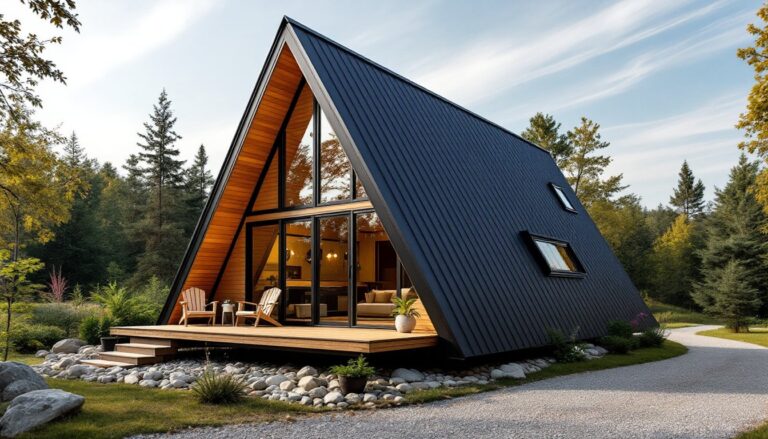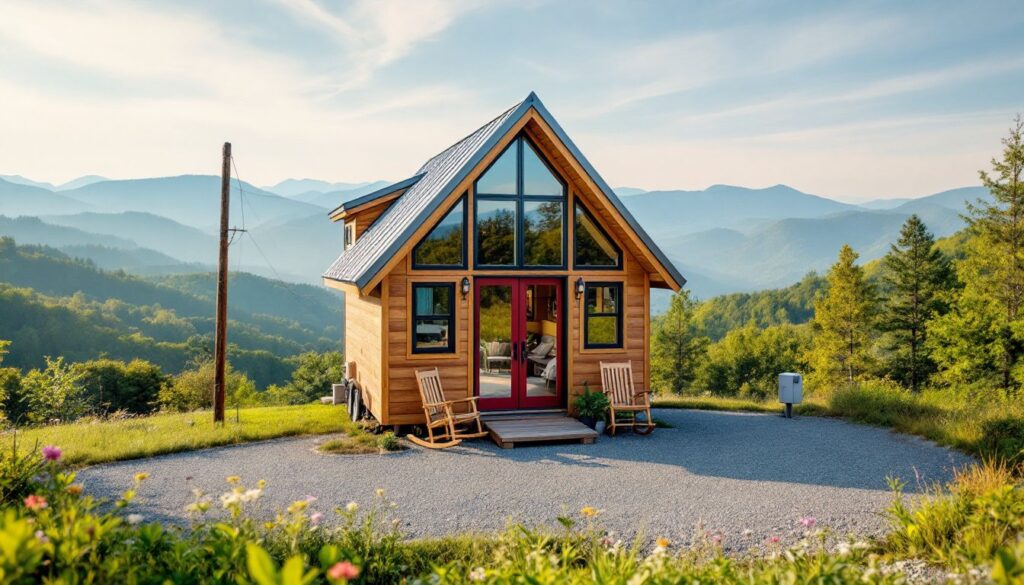

Hendersonville, NC, sits in the Blue Ridge foothills, where mountain views meet small-town charm, and a growing market for tiny homes. Whether you’re downsizing, seeking financial freedom, or chasing a simpler lifestyle, this western North Carolina town offers tiny home buyers a rare combination: scenic beauty, walkable downtown amenities, and more permissive land-use rules than many neighboring counties. But navigating the local market requires assignments. From understanding Henderson County’s zoning quirks to finding reputable builders, buying a tiny home here isn’t as simple as scrolling Zillow. This guide breaks down where to search, what regulations actually matter, and how to budget for mountain-view living on a smaller footprint.
Table of Contents
ToggleKey Takeaways
- Tiny homes for sale in Hendersonville, NC range from $35,000–$120,000 depending on whether you buy resale or new custom builds, with land costs adding another $30,000–$80,000 for buildable lots with utilities nearby.
- Henderson County’s unincorporated areas allow tiny homes as primary residences on foundations with fewer restrictions than city limits, making it a practical location for downsizers seeking regulatory flexibility and mountain-view living.
- Before purchasing, inspect for water intrusion, proper insulation (minimum R-21 walls, R-38 ceilings), adequately sized mini-split HVAC systems, and 100-amp electrical service to avoid costly repairs in tight quarters.
- Land in rural Henderson County remains affordable at $30,000–$80,000 per lot compared to nearby Asheville, and Hendersonville’s mild winters reduce heating demands and foundation frost concerns for year-round tiny home living.
- Work with local builders experienced in IRC Appendix Q standards and tour completed homes to verify quality details like spray foam insulation, actual 2×4 framing, and proper chassis certification for trailer-based structures.
- Budget an additional 10–15% contingency beyond your purchase price for hidden site-prep, permitting, and utility installation costs, and explore credit union financing options that specialize in tiny home loans with better rates on permanent foundations.
Why Hendersonville Is Perfect for Tiny Home Living
Hendersonville’s appeal isn’t just postcard scenery. The town offers practical advantages for tiny home owners that larger metros can’t match.
First, Henderson County’s rural zoning districts allow accessory dwelling units (ADUs) and, in some cases, stand-alone tiny homes on proper foundations with fewer restrictions than urban areas. This matters if you’re planning to site a tiny home on family land or a purchased lot, many North Carolina municipalities still treat mobile tiny homes as RVs, banning permanent occupancy.
Second, the cost of land remains relatively affordable compared to Asheville, just 22 miles north. Vacant lots in unincorporated Henderson County range from $30,000 to $80,000 depending on acreage and utilities, making land acquisition feasible for budget-conscious buyers.
Third, Hendersonville’s four-season climate is milder than higher-elevation towns. Winters average mid-40s, reducing heating demands and foundation frost concerns. Summers stay comfortable without central AC in well-insulated builds.
Finally, the town supports a DIY and homesteading culture. Local hardware stores stock specialty fasteners, and regional builder supply yards carry SIPs (structural insulated panels) and metal roofing, materials common in high-performance tiny builds. You’ll find trades who understand compact construction, not just cookie-cutter subdivisions.
Where to Find Tiny Homes for Sale in Hendersonville
Tiny home inventory in Hendersonville splits between custom builds and resale units. Here’s where to focus your search.
Local Builders and Custom Tiny Home Options
Several western North Carolina builders specialize in tiny homes and park models, offering turnkey or shell options. Look for companies experienced with IRC Appendix Q standards, the 2018 International Residential Code appendix that defines tiny homes (400 square feet or less) and sets minimum safety requirements like ceiling height (6’8″ in living areas), egress windows, and loft ladder specifications.
Local builders often work on your land, handling foundation or trailer chassis prep, utility hookups, and inspections. Expect lead times of 4–8 months for custom builds. Ask to tour completed homes: details like spray foam insulation thickness, mini-split HVAC sizing, and whether they use actual 2×4 framing (not 2×3) reveal build quality.
Some builders offer rent-to-own programs or financing through credit unions familiar with tiny home loans, helpful since conventional mortgages often don’t cover structures under 600 square feet.
Online Marketplaces and Listings
For resale and immediate inventory, check these sources:
- Facebook Marketplace and Craigslist: Local sellers list used tiny homes, often sited on private land. Scrutinize photos for water damage, especially around windows and roof valleys. Ask about the trailer frame’s GVWR (gross vehicle weight rating) if it’s mobile, under-spec trailers cause structural failure.
- Tiny House Listings and Tiny Home Builders: National directories filter by region. Hendersonville appears under Asheville-area searches. Many listings link directly to builders offering delivery to North Carolina.
- Local Realtors: A handful of Henderson County agents now handle tiny home sales, particularly for homes on permanent foundations listed as single-family residences. These qualify for traditional financing.
Don’t overlook land-and-home packages. Some sellers bundle a tiny home with a lot, streamlining permitting since the structure meets setback and utility connection requirements from day one. Considering affordable rural properties as part of your search can broaden your options beyond Hendersonville proper.
Understanding Zoning Laws and Tiny Home Regulations in Hendersonville
Henderson County’s zoning splits into city limits (Hendersonville proper) and unincorporated county, each with different rules.
Within city limits, tiny homes on wheels typically fall under RV ordinances, limiting where and how long you can park one. Permanent tiny homes on foundations are treated as single-family dwellings, requiring:
- Minimum square footage compliance (usually 600 sf for single-family zones, check current ordinances)
- Standard setbacks (often 25′ front, 10′ side/rear)
- Approved septic or sewer hookup
- Building permit and inspections
Some city neighborhoods prohibit structures under a certain size outright. Call Hendersonville Planning & Development (828-697-3015) before making offers.
In unincorporated Henderson County, regulations relax. Tiny homes qualify as:
- Accessory Dwelling Units (ADUs) on lots with an existing primary residence, often allowed by right in agricultural and residential zones.
- Primary residences on foundations in low-density zones, provided they meet IRC minimum standards.
Key requirements across the county:
- Foundation or chassis certification: Permanent foundations need frost footings (12″ minimum depth locally). Tiny homes on trailers must meet RVIA or NOAH certification if classified as park models.
- Utilities: Well and septic permits if off-grid: county inspections for electrical (must follow NEC) and plumbing.
- Road access: Fire code requires all-weather access for emergency vehicles, gravel driveways must meet width and grade specs.
HOAs and deed restrictions often ban tiny homes even where zoning allows them. Read covenants carefully. For insights on design trends shaping smaller spaces, small-space living solutions showcase adaptive layouts common in tight quarters.
What to Look for When Buying a Tiny Home in the Area
Buying a tiny home, new or used, demands sharper scrutiny than a conventional house. Small mistakes become big problems in 300 square feet.
Structural integrity: Inspect the subfloor and trailer frame (if mobile) for rust, cracks, or sag. Tiny homes on trailers experience road stress: look for loose fasteners and sheathing separation. On foundation builds, check crawl space ventilation and vapor barriers, moisture kills tiny homes.
Insulation and climate control: Western North Carolina swings from humid summers to freezing winters. Minimum R-21 in walls, R-38 in ceilings/lofts keeps energy costs reasonable. Spray foam outperforms fiberglass in tiny builds due to air sealing. Confirm the HVAC system, most use mini-split heat pumps sized for the space (typically 9,000–12,000 BTU). Undersized units run constantly: oversized units short-cycle and waste energy.
Plumbing and electrical: Tiny homes often use PEX plumbing for flexibility and freeze resistance. Check for proper sleeving through framing and secure fittings, vibration from towing loosens connections. Electrical should be 100-amp service minimum, with GFCI outlets near sinks and exterior receptacles. DIY wiring is common in resale units: hire a licensed electrician for a safety inspection ($150–$250).
Water intrusion: Pull back rugs and check seams around windows, doors, and roof penetrations. Water stains, soft spots, or musty odors indicate leaks. Tiny homes lack attics to hide problems, what you see is what you get.
Appliances and fixtures: Most tiny kitchens use apartment-size appliances (20″ ranges, 10 cu ft refrigerators). Confirm they’re included in the sale and functional. Composting toilets and tankless water heaters are popular but require maintenance knowledge, ask for manuals and service records.
Towing certification (if applicable): If you plan to move the home, verify the trailer’s VIN, title, and weight rating. Hire a certified tiny home transport company, DIY towing without proper hitches and brakes is dangerous and illegal over 10,000 lbs GVWR.
Price Ranges and Budgeting for Your Tiny Home Purchase
Tiny home costs in Hendersonville vary widely based on size, finishes, and whether you’re buying turnkey or DIY.
New construction from local builders:
- Shell builds (framed, sheathed, roofed, windows/doors installed, no interior): $30,000–$50,000 for a 200–300 sf home on a trailer. Add $10,000–$15,000 for a permanent foundation.
- Turnkey builds (fully finished, appliances, utilities connected): $60,000–$120,000 depending on materials and complexity. High-end finishes (quartz counters, hardwood floors, custom cabinetry) push prices toward $150,000.
Resale market prices run $35,000–$80,000 for homes 2–10 years old, depending on condition and included land.
Land costs add $30,000–$80,000 for a buildable lot with utilities nearby, or $10,000–$25,000 for raw acreage requiring well and septic ($8,000–$15,000 combined).
Additional budgeting considerations:
- Site prep: Grading, gravel pads, and utility trenching run $3,000–$10,000.
- Permits and inspections: Budget $1,500–$3,000 for building permits, septic permits, and required inspections.
- Financing: Tiny home loans often carry higher interest rates (6%–10% in 2026) than conventional mortgages. Some buyers use personal loans or RV financing for trailer-based homes. Explore alternative housing finance options if traditional lenders balk.
- Insurance: Expect $600–$1,200 annually. Trailer-based homes need RV or specialty tiny home policies: foundation homes qualify for standard homeowners insurance.
- Utilities: Off-grid solar systems (4–6 kW) cost $12,000–$18,000 installed. Grid-tied electric hookups run $2,000–$5,000 depending on distance from the pole.
Total all-in costs for a livable tiny home on your own land in Hendersonville typically range from $70,000 (modest used home, DIY site work) to $180,000 (new custom build, turnkey on purchased lot). This remains 40–60% cheaper than the median Henderson County home price ($385,000 in early 2026, per real estate market data).
Financing tip: Credit unions like Mountain Credit Union and Appalachian Community Federal Credit Union offer tiny home loans to locals. Rates improve with 20% down and permanent foundations. For trends on space-efficient living that can inform your design choices, home renovation inspiration provides tested layouts and storage hacks.
Final cost reality: Don’t underestimate hidden expenses. Driveway improvements, landscaping, internet installation, and furniture scaled to tiny spaces add up. Set aside 10–15% of your purchase budget as a contingency. Many first-time tiny home buyers overspend on the structure and scramble for site-prep funds, plan the full project, not just the house.