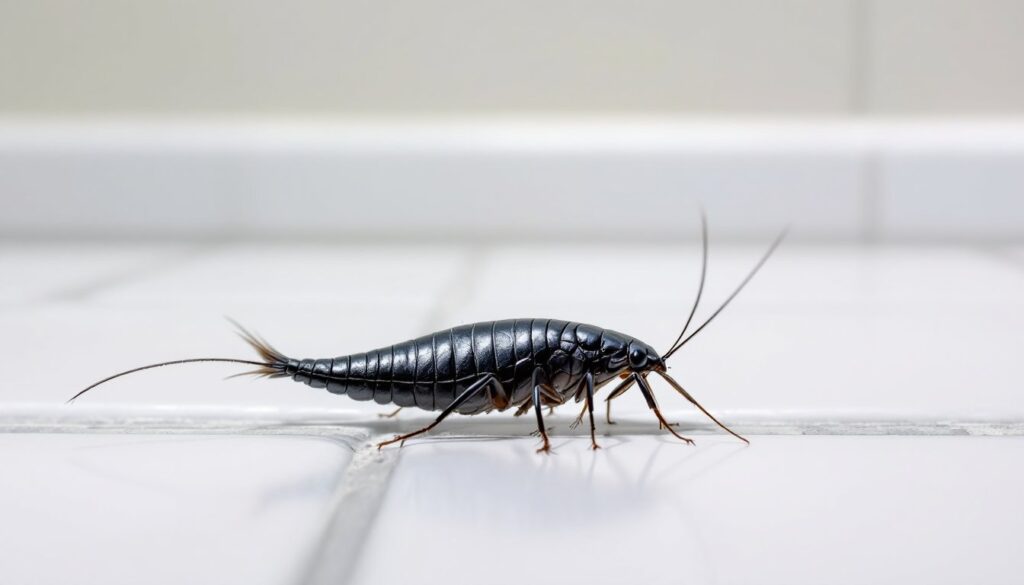

Spotting a tiny, long, skinny black bug darting across your bathroom floor or kitchen counter isn’t just unsettling, it’s a sign you’ve got uninvited guests. These narrow-bodied insects appear suddenly, often in multiples, and leave homeowners scrambling to figure out what they’re dealing with. The good news? Most of these pests are identifiable, manageable, and don’t require an exterminator if you act quickly. This guide walks through the most common culprits, explains why they’re in your home, and provides practical DIY solutions to eliminate them and prevent their return.
Table of Contents
ToggleKey Takeaways
- Tiny long skinny black bugs in your house are most commonly silverfish or carpet beetle larvae, identifiable by their size, shape, and behavior—silverfish wiggle fish-like and favor humid areas, while carpet beetles leave bristly larvae in dark spaces with natural fibers.
- Moisture, food sources, and entry points are the three main attractors of these pests, with humidity above 60% being the primary factor, so reducing moisture through dehumidifiers and fixing leaks is the first critical step.
- Diatomaceous earth applied along baseboards and in cracks is an effective DIY treatment for most tiny black bugs, killing pests by dehydrating them over several days without toxic chemicals.
- Prevent future infestations by sealing foundation cracks, storing items in plastic bins instead of cardboard, maintaining 30-50% humidity indoors, and vacuuming regularly, especially in baseboards and low-traffic areas.
- Inspect incoming used items like books, furniture, and clothing for insects before bringing them indoors, as these pests commonly hitchhike into homes through infested secondhand goods and cardboard boxes.
Common Tiny Long Skinny Black Bugs Found Indoors
Silverfish: The Most Likely Culprit
If the bug is ½ to ¾ inch long, moves in a fish-like wiggle, and has a tapered body ending in three tail-like appendages, you’re looking at a silverfish (Lepisma saccharina). Even though the name, indoor specimens often appear dark gray to black, especially younger nymphs. They’re nocturnal, which is why you’ll spot them when you flip on a light at night.
Silverfish thrive in high-humidity environments, 60% relative humidity or higher, and feed on carbohydrates and starches. That includes book bindings, wallpaper paste, cardboard boxes, and even synthetic fabrics. They’re harmless to humans but destructive to stored papers, clothing, and pantry goods over time. You’ll typically find them in bathrooms, basements, laundry rooms, and attics.
One tell-tale sign: irregular holes chewed in paper or fabric, often with a yellowish stain around the edges from their digestive enzymes.
Carpet Beetle Larvae and Other Possibilities
If the bug is ¼ inch or smaller, covered in bristles or setae, and looks slightly fuzzy under close inspection, it’s likely a carpet beetle larva. The black carpet beetle (Attagenus unicolor) larva is elongated, brown to black, and has a bristly appearance. These feed on natural fibers, wool, silk, feathers, pet hair, and can damage carpets, upholstery, and stored clothing.
Another candidate: plaster beetles (also called foreign grain beetles). These are 1/16 to 1/10 inch long, reddish-brown to black, and narrow-bodied. They don’t infest homes to feed on household goods, they’re attracted to new construction or water-damaged areas where mold is present. If you’ve recently had plumbing leaks or live in a newly built home, plaster beetles may appear temporarily as the building dries out.
Less common but worth mentioning: booklice (psocids) are tiny (less than 1/16 inch), pale to dark brown, soft-bodied insects that feed on mold and mildew in damp areas. While small, they don’t fit the “long and skinny” profile as closely, but homeowners sometimes misidentify them in low light.
Why These Bugs Are Invading Your Home
These insects don’t show up by accident. They’re drawn indoors by three factors: moisture, food sources, and entry points.
Moisture is the number one attractor. Silverfish and plaster beetles need humidity to survive. Homes with poor ventilation, leaky pipes, condensation on windows, or damp basements create ideal conditions. Carpet beetle larvae can tolerate drier environments but still prefer undisturbed, dark spaces with organic debris.
Food availability varies by species. Silverfish target paper products, glue, starches, and even dust that contains skin cells. Carpet beetle larvae consume natural fibers and pet hair. If you’ve got cardboard storage boxes in a basement, unvacuumed corners, or wool rugs, you’ve set a buffet.
Entry points include cracks in foundations, gaps around pipes and utility lines, torn window screens, and door sweeps with gaps larger than ⅛ inch. Insects this small don’t need much space. They also hitchhike indoors via infested items, used books, thrift store clothing, cardboard boxes from storage units, or firewood.
Seasonal factors matter too. Many homeowners notice upticks in late spring and early summer when outdoor insect populations are high and seeking shelter from heat or storms. Knowing which factors apply to your home helps target the right solutions.
DIY Solutions to Get Rid of Tiny Black Bugs
Start with identification confirmation. Capture a specimen using clear tape or a small jar, then compare it against photos from university extension services or reputable pest control resources. Misidentification wastes time and money.
Once identified, follow these steps:
1. Reduce moisture levels. Use a dehumidifier in basements, crawl spaces, and bathrooms to bring humidity below 50%. Fix leaky faucets, pipes, and roof leaks immediately. Improve ventilation by running exhaust fans during and after showers, and ensure dryer vents exhaust outside, not into attics or crawl spaces.
2. Eliminate food sources. For silverfish, remove old cardboard boxes and replace them with plastic storage bins with tight-fitting lids. Store books, papers, and fabrics in low-humidity areas. Vacuum regularly, at least once a week, focusing on baseboards, closet corners, under furniture, and along carpet edges where carpet beetle larvae hide.
3. Apply targeted treatments. Diatomaceous earth (DE) is a mechanical insecticide that works well for silverfish and carpet beetles. Apply food-grade DE in a thin layer along baseboards, under sinks, behind appliances, and in cracks where bugs travel. Wear a dust mask during application: DE is non-toxic but irritating to lungs. It kills by abrading the insect’s exoskeleton, causing dehydration over several days.
For heavier infestations, use a residual insecticide spray labeled for indoor use against silverfish or carpet beetles. Products containing deltamethrin or cyfluthrin are effective. Follow label directions precisely, and keep pets and children away from treated areas until dry (typically 2-4 hours).
4. Treat fabrics and storage. Launder or dry-clean infested clothing and linens in hot water (130°F minimum). For items that can’t be washed, place them in sealed plastic bags and freeze for 72 hours to kill larvae and eggs. Vacuum upholstered furniture thoroughly, including crevices and under cushions, then dispose of the vacuum bag in an outdoor trash can.
5. Use traps for monitoring. Sticky traps placed along baseboards and in closets help monitor activity and reduce populations. Many homeowners find success using products like simple sticky traps for household pests in high-traffic bug areas. Check traps weekly and replace as needed.
Safety note: Always wear gloves and safety glasses when handling pesticides, even low-toxicity products. Store chemicals in original containers, out of reach of children and pets.
Preventing Future Infestations in Your Home
Once you’ve cleared the current infestation, prevention is straightforward but requires consistency.
Seal entry points. Walk the perimeter of your home and seal cracks in the foundation, gaps around windows and doors, and openings where utilities enter. Use silicone caulk for small cracks and expandable foam for larger gaps (¼ inch or wider). Replace worn door sweeps and repair torn window screens.
Control humidity year-round. Invest in a hygrometer (available for under $15) to monitor indoor humidity. Target 30-50% relative humidity in living spaces. In climates with high outdoor humidity, a whole-house dehumidifier may be worth the investment, typically $1,200-$2,500 installed, depending on capacity and your HVAC setup.
Store smartly. Replace cardboard boxes with clear plastic bins for long-term storage. Label them clearly to avoid unnecessary rummaging. Store out-of-season clothing in airtight bins with cedar blocks or lavender sachets (natural deterrents, though not foolproof). Avoid storing items directly on basement floors: use shelving to improve airflow.
Maintain cleanliness. Vacuum regularly, especially in low-traffic areas where dust and debris accumulate. Clean behind appliances and under furniture at least seasonally. Wipe down pantry shelves and inspect stored foods for signs of pests.
Inspect incoming items. Before bringing used books, furniture, or clothing into your home, inspect them carefully. Shake out items outdoors and check seams, folds, and crevices for insects or eggs. Proper home cleaning routines can significantly reduce pest risks.
Reduce outdoor harborage. Keep mulch, firewood, and leaf litter at least 18 inches away from your foundation. Trim vegetation that touches exterior walls. This creates a buffer zone that discourages insects from migrating indoors.
Schedule seasonal inspections. Twice a year, spring and fall, walk through your home checking for water damage, new cracks, and signs of pest activity. Catching problems early prevents full-blown infestations. Resources like those found at home maintenance sites can provide seasonal checklists.
Conclusion
Tiny long skinny black bugs in your house aren’t a sign of poor housekeeping, they’re opportunists drawn by moisture, food, and access. Identifying the species correctly lets you target the right solutions, and most infestations respond well to DIY efforts: lowering humidity, eliminating food sources, applying diatomaceous earth or residual sprays, and sealing entry points. Stay consistent with prevention, and you’ll keep these narrow-bodied nuisances out for good.