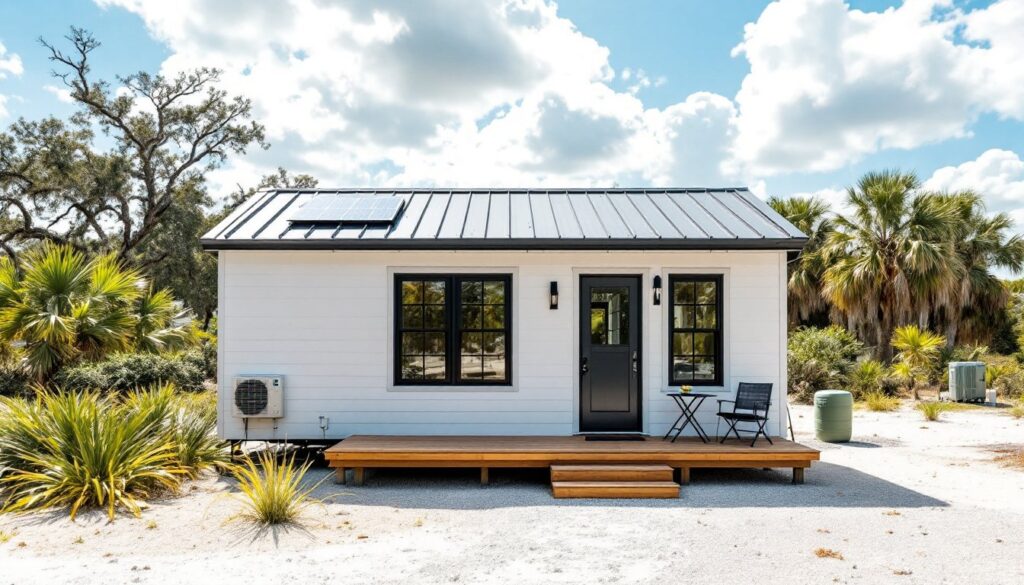

Florida’s tiny home market is booming, and for good reason. With property prices climbing across the state, more buyers are discovering that downsizing doesn’t mean sacrificing quality of life. Whether you’re looking for a waterfront retreat, a minimalist retirement spot, or a storm-resilient dwelling that fits your budget, tiny homes offer a practical entry point into Florida living. This guide walks you through where to find them, what to expect price-wise, and the zoning realities that’ll shape your purchase and placement decisions.
Table of Contents
ToggleKey Takeaways
- Tiny homes in Florida for sale range from $30,000 to $200,000+ depending on whether you choose pre-owned, turnkey, or luxury custom builds.
- Florida’s lack of state income tax, mild climate, and booming tourism make tiny homes an attractive affordable housing option for retirees and remote workers.
- Zoning laws vary drastically by county and municipality—verify local ordinances and confirm your lot is appropriately zoned before purchasing tiny homes in Florida.
- Hurricane-resistant features like anchor systems, impact-resistant windows, and metal roofing are essential for Florida’s climate and coastal storm risk.
- Financing options for tiny homes are limited; traditional mortgages rarely apply, so consider RV loans, personal loans, chattel loans, or cash purchases instead.
- Moisture-resistant materials, proper ventilation, and mini-split HVAC systems are critical to prevent mold and manage Florida’s humidity in smaller living spaces.
Why Tiny Homes Are Thriving in the Sunshine State
Florida’s combination of year-round mild climate, tourism-driven short-term rental potential, and soaring conventional home prices creates ideal conditions for tiny home adoption. The state’s coastal appeal draws retirees and remote workers seeking affordable housing without the financial burden of a traditional mortgage.
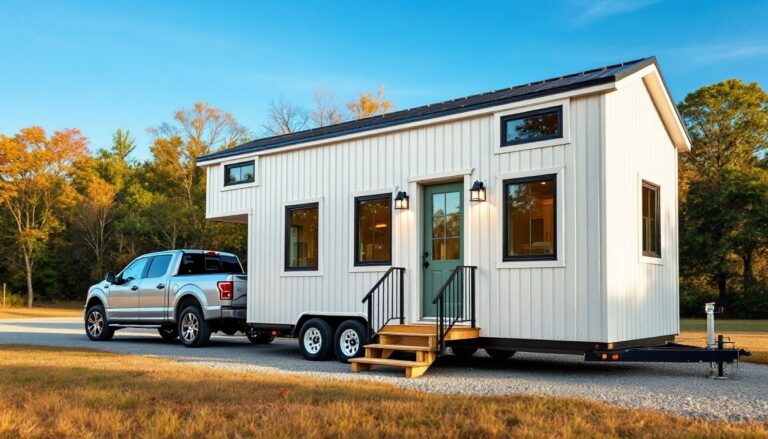
Tiny homes in Florida typically range from 120 to 400 square feet, built on trailers (THOWs, Tiny Homes On Wheels) or permanent foundations. The mobility of trailer-based models offers flexibility for relocation during hurricane season or moving between coastal and inland areas.
Another driver: Florida’s lack of state income tax makes it attractive for those looking to maximize savings from a lower housing payment. That freed-up cash can go toward hurricane-resistant upgrades, solar panels, or building equity in land. Plus, the tiny home lifestyle aligns with the state’s outdoor culture, think screened lanais, outdoor showers, and compact kitchens that open to patios.
One caution: Florida’s humidity and salt air demand specific materials and ventilation strategies. Buyers should prioritize homes with moisture-resistant sheathing, galvanized fasteners, and adequate air exchange systems to prevent mold.
Where to Find Tiny Homes for Sale in Florida
Online Marketplaces and Tiny Home Builders
Several platforms specialize in tiny home listings, offering everything from move-in-ready models to custom builds:
- Tiny House Listings and Tiny Home Builders: These aggregate new and pre-owned tiny homes across Florida, from the Panhandle to the Keys.
- Facebook Marketplace and Craigslist: Search terms like “tiny home Florida” or “THOW for sale” surface DIY builds and owner-financed options. Always inspect in person and verify title/registration for trailer-based units.
- Local builders: Companies like Movable Roots and Tiny House Siesta focus on Florida-specific builds with hurricane tie-downs, impact-resistant windows, and wet-climate insulation. Expect 4–6 month lead times for custom orders.
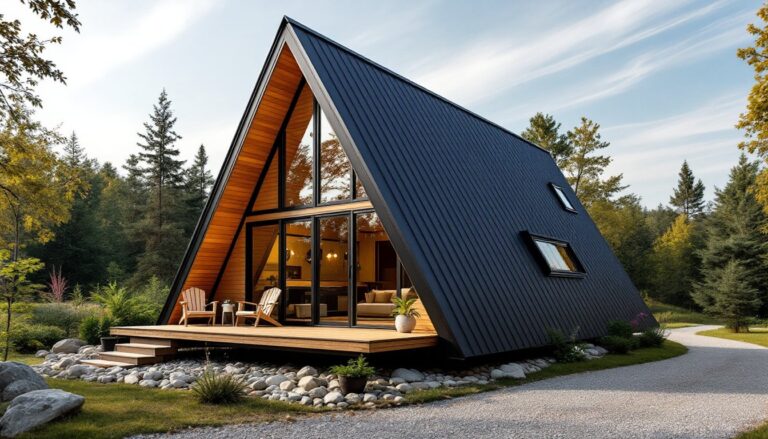
When vetting a builder, ask for references, check if they’re insured, and confirm they follow Florida Building Code (FBC) for permanent foundations or DOT regulations for trailers. Many designs inspired by tiny home aesthetics show the range of styles available, from rustic cottages to modern minimalist cubes.
Tiny Home Communities and Dedicated Subdivisions
Florida has a growing number of tiny home-friendly communities that handle zoning headaches for you:
- Orlando Lakefront (Clermont): A gated community with tiny homes on permanent foundations, clubhouse access, and HOA-managed utilities.
- Tiny House Siesta (Sarasota): RV-park-style lots with full hookups, allowing THOWs as primary residences.
- Lake Lotus Tiny Home Village (Altamonte Springs): Short-term and long-term stays, making it a testing ground before committing to purchase.
These communities often include shared amenities, laundry, pools, workshop space, that offset the smaller square footage. HOA fees typically run $200–$400/month, covering water, trash, and grounds maintenance. If you’re exploring suburban tiny home trends, Florida’s mixed-use developments show how these homes integrate into denser residential zones.
What to Expect: Price Ranges and Popular Models
Pricing varies widely based on size, features, and whether you’re buying new or used:
- DIY shell kits: $10,000–$25,000. You’ll finish interiors, electrical, and plumbing yourself, budget another $8,000–$15,000 for completion.
- Pre-owned THOWs: $30,000–$60,000 for units built within the last five years. Inspect roof seals, axle condition, and appliance warranties.
- Turnkey models from builders: $60,000–$120,000. Includes appliances, furniture, and often a one-year warranty. Higher-end models feature composting toilets, tankless water heaters, and off-grid solar arrays.
- Luxury or custom builds: $120,000–$200,000+. Expect hardwood accents, quartz counters, mini-split HVAC, and engineered hurricane anchoring.
Popular layouts in Florida include the “gooseneck loft” design (sleeping area over a fifth-wheel hitch) and single-level models suited for aging-in-place buyers. Many incorporate fold-down decks or Murphy beds to maximize usable space.
Financing can be tricky. Traditional mortgages rarely cover homes under 400 square feet or on trailers. Options include:
- RV loans (if the unit is RVIA-certified): 10–15 year terms, 5–7% APR.
- Personal loans: Shorter terms, higher rates.
- Chattel loans: For homes on leased land.
- Cash purchases: Still the most common in this market.
Insurance costs $600–$1,200/year for trailer-based homes in non-coastal zones, higher near the shore due to wind and flood risk. Confirm your insurer covers THOWs, some classify them as RVs, others as dwellings.
Florida Zoning Laws and Placement Considerations for Tiny Homes
Zoning is the biggest wildcard in Florida tiny home ownership. Rules vary drastically by county and municipality, so research local ordinances before you buy.
Key zoning categories:
- RV and mobile home parks: THOWs are often allowed if they meet park rules (RVIA certification, skirting, tie-downs). No permitting required in most cases.
- Accessory Dwelling Units (ADUs): Some counties let you place a tiny home on a lot with an existing primary residence. It must meet setback requirements (typically 5–10 feet from property lines) and utility connections. Permits required.
- Agricultural zoning: Rural counties like Polk and Highlands may allow tiny homes as farm worker housing or on ag-zoned land with minimal restrictions.
- Single-family residential zones: Most prohibit homes under 600–750 square feet or require permanent foundations, utility hookups, and compliance with the International Residential Code (IRC). Variance requests are possible but time-consuming.
Permits typically involve:
- Building permit: For foundation-based tiny homes. Inspections cover framing, electrical (must meet NEC standards), plumbing, and final occupancy.
- Electrical and plumbing permits: Separate from building permits in many jurisdictions. Hire licensed pros, DIY work won’t pass inspection.
- Septic or sewer connection: If not hooking into municipal sewer, you’ll need a septic system sized for the home (usually a 500-gallon tank minimum).
Some counties, like Pasco and Hernando, have adopted tiny home-friendly policies as part of affordable housing initiatives, while others (Miami-Dade, Palm Beach) remain restrictive. Check with the county planning department and confirm your lot is zoned appropriately before closing.
If you’re considering land purchase, verify:
- Flood zone designation (FEMA maps): Coastal properties often require elevated foundations and flood insurance.
- Utility access: Running power, water, and septic to raw land can cost $15,000–$40,000.
- HOA covenants: Some neighborhoods ban structures under a certain square footage.
Essential Features for Florida Tiny Homes
Florida’s climate and storm risk demand specific design and material choices. Don’t skimp on these:
Hurricane resistance:
- Anchor systems: Ground screws, hurricane straps, or concrete piers rated for 140+ mph winds (Miami-Dade and Broward require higher standards).
- Impact-resistant windows: Required in coastal “High-Velocity Hurricane Zones” (HVHZ). Laminated glass or storm shutters are non-negotiable.
- Metal roofing: Outlasts asphalt shingles in wind and sun exposure. Use corrosion-resistant fasteners.
Climate control:
- Mini-split HVAC: Efficient cooling and dehumidification. Size appropriately, 9,000–12,000 BTU units handle most tiny homes.
- Ventilation: Install bath and kitchen exhaust fans vented to the exterior. Consider a whole-home ERV (Energy Recovery Ventilator) to manage humidity without losing conditioned air.
- Insulation: Spray foam (closed-cell) is standard in Florida builds for moisture resistance and R-value. Aim for R-19 in walls and R-30 in the roof.
Material durability:
- Use pressure-treated or composite decking for outdoor spaces.
- Avoid untreated wood framing in high-moisture areas: opt for galvanized steel studs where practical.
- Exterior siding: Fiber cement, vinyl, or metal. Skip wood lap siding unless you’re committed to annual maintenance.
Water and waste:
- On-grid: Connect to municipal water/sewer or install a septic system.
- Off-grid: Composting toilets (Nature’s Head, Sun-Mar) and graywater systems work but check local health codes, some counties ban them.
- Rainwater catchment: Legal in Florida for non-potable uses (irrigation, flushing). A 500-gallon tank and first-flush diverter are a good start.
Solar potential:
Florida’s sunshine makes solar appealing. A 2–3 kW rooftop array with battery backup can offset most or all electric usage. Net metering policies vary by utility, so confirm buyback rates. If you’re interested in affordable, independent housing models, solar integration is often a cornerstone.
Safety and code compliance:
- Smoke and CO detectors: Required by code. Hardwired with battery backup preferred.
- Egress windows: Bedrooms and lofts need emergency escape routes per IRC.
- Staircases vs. ladders: Loft access via ladder may not meet code if the loft is classified as a bedroom. Stairs with handrails are safer and often required.
For layout inspiration and space-saving tricks, many builders reference ideas from small-space design resources to balance functionality with Florida’s indoor-outdoor lifestyle.