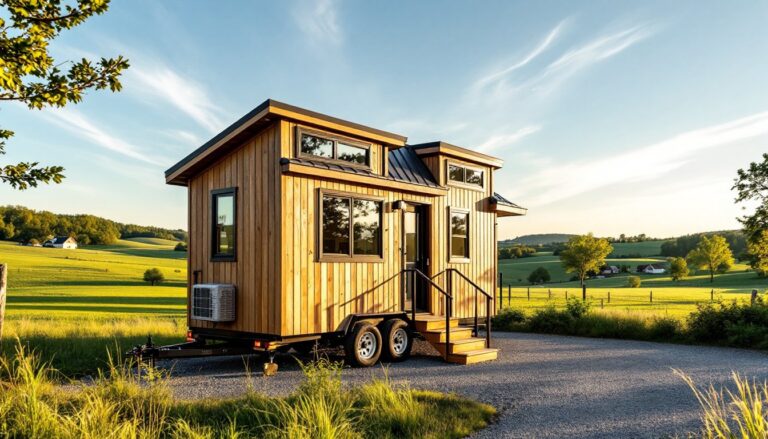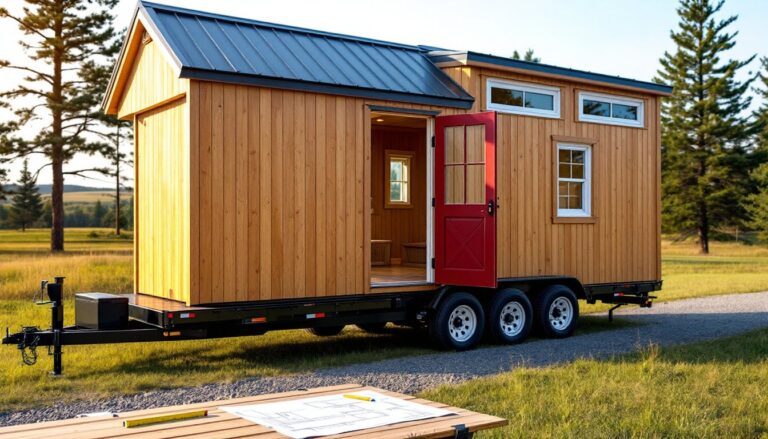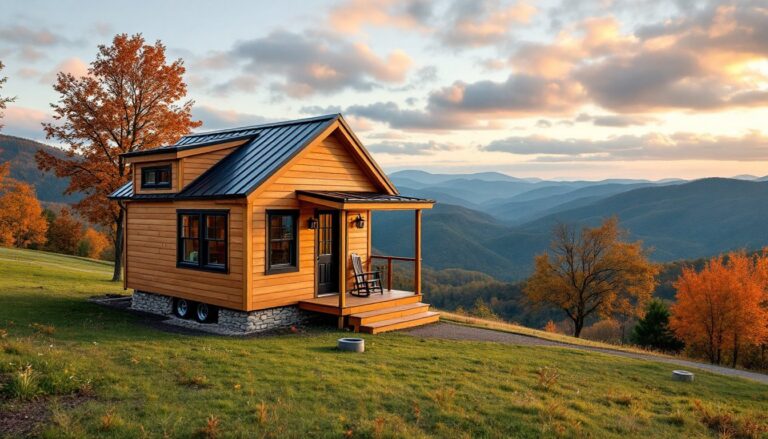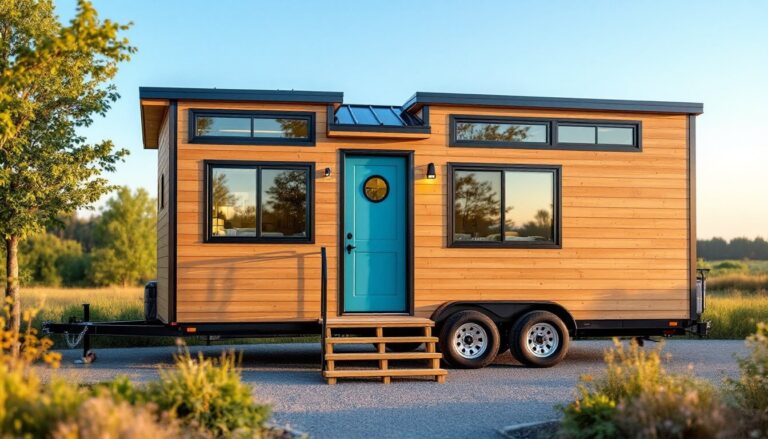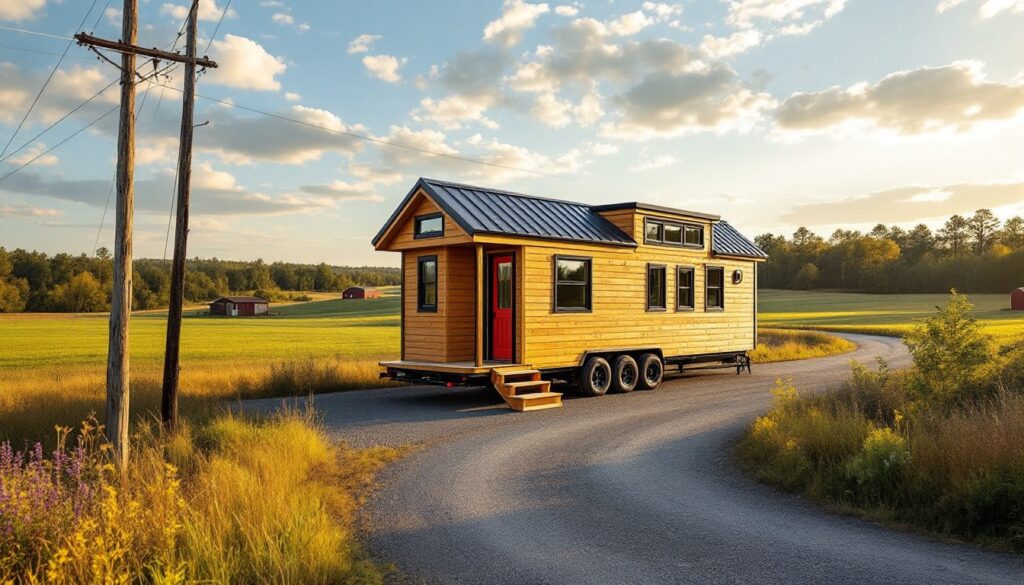

Alabama’s become a tiny home hotspot, and it’s not hard to see why. Lower land costs, mild winters, and fewer regulatory hoops than neighboring states make it one of the most practical places to park or build a compact dwelling. Whether you’re looking to downsize, create a rental income stream, or just simplify life, the state offers a surprising range of options, from custom-built shells to fully finished homes on wheels. This guide walks through where to find tiny homes for sale in Alabama, what legal hurdles to expect, and how to finance and vet a purchase without getting burned.
Key Takeaways
- Alabama offers affordable tiny homes for sale due to lower land costs ($3,000–$7,000 per acre), mild winters, and permissive building codes that make it one of the nation’s most practical tiny home destinations.
- Top Alabama cities like Huntsville, Birmingham, and Gulf Shores have updated zoning codes allowing tiny homes as ADUs or rental properties, with rural counties offering even fewer restrictions for foundation-based builds.
- Tiny homes for sale in Alabama range from $8,000 DIY shells to $85,000 turnkey models, with local builders like Alabama Tiny Homes (Huntsville) offering semi-custom builds in 12–16 weeks.
- Financing tiny homes for sale requires different loan types: personal loans for mobile units, construction loans for foundation-based homes, or chattel loans for ANSI-certified park models.
- Inspect trailer frames for rust, check roofs and siding for water intrusion, verify electrical and plumbing to NEC standards, and always confirm build history and title documentation before purchase.
- Specialty RV or tiny home insurance costs $600–$1,200 annually for mobile units, while foundation-based tiny homes can be added to standard homeowners policies for $300–$600 per year.
Why Alabama Is Perfect for Tiny Home Living
Alabama checks most boxes for tiny home buyers. Land averages $3,000–$7,000 per acre in rural counties, far below Georgia or Tennessee, and the state’s building codes are generally more permissive for accessory dwelling units (ADUs) and recreational vehicles classified as park models.
The climate helps, too. Winters rarely dip below freezing for extended stretches, so you can skip expensive foundation frost-depth requirements and heavy insulation upgrades. A tiny home on a pier-and-beam foundation or trailer chassis will handle the seasonal temperature swings without the structural headaches you’d face up north.
Utility hookups are straightforward in most areas. Rural electric co-ops serve much of the state, and septic permits for small dwellings (under 400 square feet) often cost less than $500. If you’re going off-grid, Alabama’s average 215 sunny days per year supports solar panel setups, just size your battery bank for humid summer afternoons when AC draws peak.
Community acceptance is growing. Several RV parks and intentional communities now welcome tiny homes, and a handful of cities have updated zoning to allow ADUs on single-family lots. That said, enforcement varies by county, so always verify local ordinances before buying land or a home.
Where to Find Tiny Homes for Sale in Alabama
Online Marketplaces and Tiny Home Builders
Start with Tiny House Listings and Tiny House Marketplace, both aggregate for-sale homes nationwide and filter by state. As of April 2026, Alabama listings range from $8,000 DIY shells to $85,000 turnkey builds. You’ll find everything from bare-bones trailers needing finish work to fully furnished models with appliances and composting toilets installed.
For budget options, check Craigslist, Facebook Marketplace, and local classifieds. Deals pop up when owners relocate or upgrade. One recent example: an affordable tiny house on wheels with cedar shake siding listed under $10,000. These fixer-uppers often need electrical updates or fresh sealant on the roof, but they’re solid starting points if you’re handy.
Local builders include Alabama Tiny Homes (Huntsville) and Southern Charm Tiny Houses (Birmingham). Both offer semi-custom builds starting around $45,000 and can deliver within the state. Expect 12–16 weeks lead time for a custom order. If you’re buying a pre-built model off their lot, you can tow it home same-week with a truck rated for the gross vehicle weight, usually 10,000–14,000 lbs for a 20-foot trailer.
National builders like Tumbleweed and Escape Traveler ship to Alabama but add $2–$5 per mile in delivery fees. Do the math: a delivery from Oregon to Mobile can tack on an extra $6,000.
Popular Alabama Cities and Regions for Tiny Homes
Huntsville leads the pack. The city updated its zoning code in 2024 to allow ADUs on lots as small as 8,000 square feet, provided they meet setback requirements (typically 5 feet from side/rear property lines). Several neighborhoods near the Arsenal have young professionals adding tiny homes for supplemental income, either as rentals or in-law suites.
Birmingham suburbs, especially Hoover and Vestavia Hills, permit tiny homes as ADUs if they’re on a permanent foundation and tied into city utilities. Trailer-based models are trickier: you’ll need to classify them as RVs and park them in approved campgrounds or private land zoned for recreational vehicles.
Gulf Shores and Orange Beach attract vacation rental investors. Tiny homes here pull $100–$150 per night in peak season, but hurricane codes apply. Expect to anchor the structure with ground augers or helical piers rated for 140 mph wind loads per the 2021 International Residential Code (IRC).
Rural counties like Cullman, Marshall, and Blount are wide open. Zoning is minimal or nonexistent outside city limits, so you can place a tiny home on raw land with an agricultural exemption. Just confirm the parcel allows a dwelling, some tracts are restricted to timber or recreational use only.
Mobile County has a handful of tiny home communities, including one near Theodore that allows homes as small as 200 square feet on leased lots. Monthly land rent runs $250–$400, utilities included.
Alabama Zoning Laws and Tiny Home Regulations You Need to Know
Alabama has no statewide tiny home law, so rules vary by municipality. Most cities defer to the 2021 IRC, which sets a minimum dwelling size of 120 square feet per room and requires at least one room of 70 square feet or more. Ceilings must be 6’8″ minimum in habitable spaces (bathrooms and hallways can drop to 6’4″).
If your tiny home is on a trailer, many counties classify it as a park model RV under the ANSI A119.5 standard. That limits you to 400 square feet and requires annual safety inspections in some jurisdictions. Park models can’t be permanently affixed to land without losing their RV status, which complicates financing and insurance.
For foundation-based tiny homes, you’ll need a building permit in any incorporated city. Expect plan reviews for electrical (must meet NEC standards), plumbing (vent stacks, trap sizing), and structural (snow/wind load calculations). Permit fees run $200–$800 depending on square footage and scope.
Septic systems are the wild card. If you’re under 400 square feet and using a composting toilet, some counties waive the septic requirement altogether. Others mandate a full tank and drainfield even for a studio dwelling. Call the county health department before closing on land, septic retrofits can cost $3,000–$7,000.
Utility hookups are straightforward where available. Rural electric co-ops charge $500–$1,200 for a new meter and service drop. Municipal water averages $800–$1,500 for a tap fee. If you’re off-grid, you’re exempt from these costs but must prove potable water supply (well or hauled) for final occupancy approval.
Some HOAs ban tiny homes outright. Read covenants carefully, even if county zoning allows it, the HOA can veto placement.
What to Look for When Buying a Tiny Home in Alabama
Start with the trailer frame if it’s a mobile unit. Look for a triple-axle chassis rated for the home’s weight, most 20-foot models need at least 10,000 lbs capacity. Check for rust on the frame rails and axle mounts, especially if the home sat near the coast. Surface rust is cosmetic: flaking or pitting near welds is a structural red flag.
Inspect the roof and siding for water intrusion. Walk the perimeter and look for caulk gaps around windows, vents, and trim boards. Press a moisture meter (available for $30 at any hardware store) against the interior walls near windows, readings above 16% moisture content mean active leaks. One example tiny home with a loft bedroom and porch swing showed clean readings, but many DIY builds skip proper flashing.
Electrical systems should meet NEC Article 551 for RVs or full residential code if it’s foundation-based. Open the breaker panel and confirm proper labeling, grounding, and no double-tapped breakers. If the home uses a mix of 12V DC (for LED lighting) and 120V AC (for outlets), make sure there’s a proper inverter and battery isolator.
Plumbing in tiny homes is often PEX tubing, flexible, freeze-resistant, and easy to repair. Check for proper P-traps under sinks and a vented waste line. If the home uses a composting toilet, ask about the model and whether it’s been maintained. A neglected unit smells like a septic disaster.
Insulation matters in Alabama’s humid summers. Look for closed-cell spray foam (R-6 to R-7 per inch) in walls and ceilings, it air-seals and prevents condensation. Fiberglass batts are cheaper but allow moisture migration, leading to mold in wall cavities.
Finally, get the build history and receipts. Was it owner-built or from a certified builder? Does it have a certificate of origin or title if it’s on a trailer? Missing documentation can kill financing and registration.
Financing Your Alabama Tiny Home Purchase
Traditional mortgages don’t cover tiny homes on trailers, most lenders classify them as vehicles, not real estate. If your home is under 400 square feet and mobile, you’ll need a personal loan or RV loan. Lightstream, Marcus by Goldman Sachs, and local credit unions offer unsecured personal loans up to $100,000 with rates around 7–12% APR as of April 2026. Terms max out at 12 years, so monthly payments can be steep.
For foundation-based tiny homes, some community banks and credit unions offer construction or land-home loans. You’ll need an appraisal, which is tricky since comps are scarce. Expect 10–20% down and rates 1–2 points higher than conventional mortgages.
Chattel loans (originally for manufactured homes) work for park model RVs if they’re certified under ANSI A119.5. 21st Mortgage and similar lenders specialize in this space. Rates run 8–10%, and loan terms are 15–20 years.
Cash is king. If you can save $40,000–$60,000, you’ll skip loan underwriting, interest, and the headache of proving a tiny home’s value to a bank. Some buyers tap home equity lines of credit (HELOCs) on a primary residence or pull funds from retirement accounts (watch the tax hit).
For those pursuing housing solutions like tiny homes, grants and veteran-specific financing may be available. Check with local nonprofits and VA-backed lenders.
Insurance is another cost. Tiny homes on trailers need specialty RV or tiny home insurance, standard homeowners policies won’t cover them. Expect $600–$1,200 annually for liability and property coverage. Foundation models can often be added to a standard homeowners policy for $300–$600 per year.