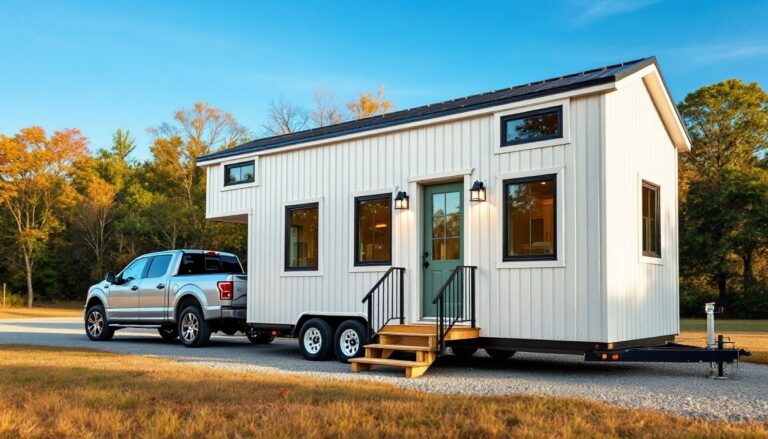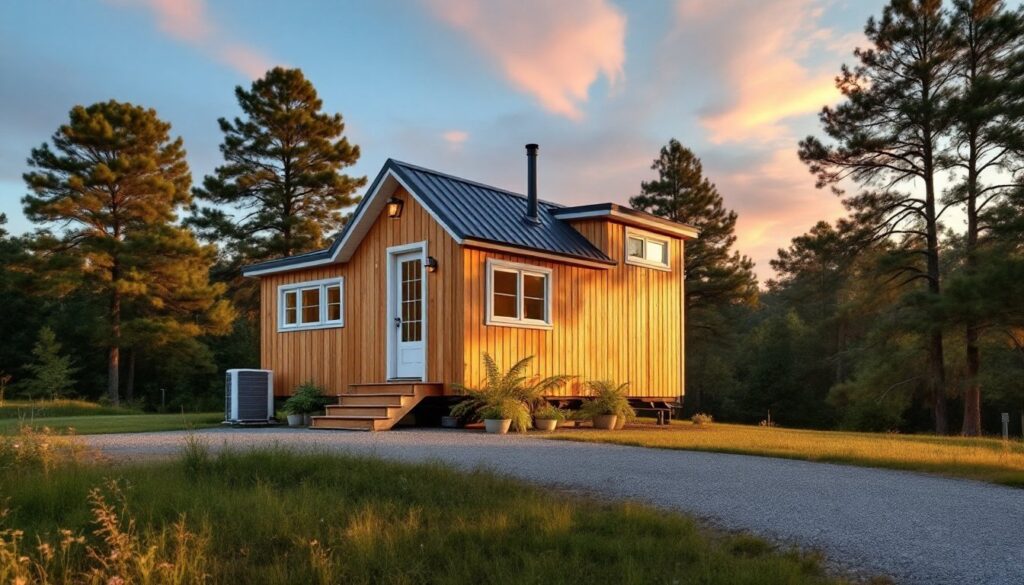

South Carolina offers more than sweet tea and coastal charm, it’s become one of the Southeast’s most welcoming states for tiny home living. With a lower cost of living than neighboring states, mild winters that reduce heating costs, and growing acceptance of alternative housing, the Palmetto State attracts retirees, remote workers, and anyone ready to downsize without sacrificing quality of life. But before you haul a 200-square-foot dwelling across state lines, you’ll need to navigate county zoning codes, understand where you can legally park or build, and decide whether buying or building fits your budget and skill level.
Table of Contents
ToggleKey Takeaways
- South Carolina’s mild winters, property taxes below 0.55% statewide, and growing tiny home communities make it an affordable destination for downsizing without sacrificing quality of life.
- Before placing your tiny home in South Carolina, verify county zoning codes—regulations vary significantly, with some jurisdictions like Oconee County allowing sub-400-square-foot primary residences while others like Greenville County enforce strict 600-square-foot minimums.
- Building your own tiny home cuts costs by 30–50% compared to factory models, with DIY builds on trailers running $20,000–$35,000 in materials, but permanent foundation homes require full residential permits and inspections.
- Utility hookups and site preparation for a permanent tiny home in South Carolina cost $9,000–$23,500 total, while monthly operating expenses average just $300–$600 once the property is paid off.
- Tiny home communities near Greenville and throughout South Carolina simplify infrastructure by bundling water, sewer, and shared amenities into lot leases of $300–$600 per month, eliminating the septic and well permitting headaches of solo builds.
Why South Carolina Is Perfect for Tiny Home Living
Mild climate ranks high on every tiny home owner’s checklist. South Carolina’s average winter low hovers around 40°F in the Upstate and rarely dips below freezing on the coast, which means smaller heating bills and less strain on your HVAC system. A mini-split heat pump rated for Zone 3 (the IRC climate zone covering most of SC) handles both heating and cooling in spaces under 400 square feet without the ductwork headaches of traditional HVAC.
Property taxes run below the national average, around 0.55% of assessed value statewide, making land ownership more affordable if you’re buying a lot to anchor your tiny home permanently. Compare that to neighboring North Carolina (0.77%) or Georgia’s higher rates in metro counties, and the savings add up over a 30-year timeline.
Growing tiny home communities have sprouted in the Upstate near Greenville and around the Lowcountry. These developments often include shared amenities, community gardens, workshop space, and septic systems, that solo tiny dwellers would struggle to afford independently. Developers typically handle permitting and utilities hookups, removing two major barriers for first-time buyers.
The state’s tourism economy also supports short-term rental opportunities. Coastal towns like Myrtle Beach and Charleston see year-round visitors, and tiny homes marketed as vacation rentals can generate income when you’re traveling. Just confirm local STR ordinances, some municipalities cap rental days per year or require special permits.
Understanding South Carolina Tiny Home Regulations and Zoning Laws
South Carolina doesn’t have statewide tiny home legislation, so county and municipal codes govern where and how you can place your dwelling. Most jurisdictions classify tiny homes in one of three categories: RVs (if on wheels and RVIA-certified), manufactured homes (if built to HUD code), or accessory dwelling units (ADUs, if on a permanent foundation).
If your tiny home is RVIA-certified, meaning it meets the Recreation Vehicle Industry Association’s safety standards, it’s legally an RV. You can park it in RV parks or campgrounds, but residential zoning typically prohibits permanent RV living. Some counties allow RVs on private property for up to 180 days per year as temporary housing, but check local codes before assuming you can stay indefinitely.
Permanent foundation tiny homes (often called THOWs converted to ADUs) must meet the International Residential Code (IRC) Appendix Q, which sets minimum standards for habitable spaces, ceiling heights (6’8″ in most rooms, 6’4″ in bathrooms and kitchens), egress windows, and smoke detectors. You’ll need a building permit, septic approval if you’re not connecting to municipal sewer, and possibly an electrical inspection by a licensed contractor. Plan on 60–90 days for permit approval in rural counties, longer in cities.
Mobile homes built to HUD code (recognizable by the red certification label) follow different rules. They’re typically allowed in mobile home parks or on land zoned for manufactured housing, but not in single-family residential zones unless the county has amended its ordinance.
County-Specific Requirements to Know
Greenville County requires a minimum dwelling size of 600 square feet on a permanent foundation in most residential zones, effectively banning tiny homes under that threshold unless classified as an ADU on a lot with an existing primary residence. ADUs can be as small as 150 square feet but must share utilities with the main house.
Charleston County permits tiny homes as ADUs in unincorporated areas if the lot is at least 10,000 square feet and the ADU doesn’t exceed 50% of the primary dwelling’s footprint. They require separate addresses and inspections, plus a zoning variance if the ADU includes a kitchen (which converts it from a “guest house” to a “dwelling unit” under local code).
Horry County (home to Myrtle Beach) allows RVs on private property for up to 180 consecutive days without a permit, but permanent tiny home placement requires the structure to meet IRC standards and obtain a certificate of occupancy. The county has debated tiny home-friendly amendments, but as of early 2026, codes remain restrictive.
Oconee County in the Upstate has emerged as one of the more flexible jurisdictions. They permit tiny homes on foundations as primary residences if the structure meets IRC Appendix Q and the lot has approved septic (or connects to county sewer). Minimum square footage isn’t specified, which opens the door for sub-400-square-foot builds.
Best Places to Park or Build Your Tiny Home in South Carolina
RV parks and campgrounds remain the easiest short-term option. Sites with monthly rates ($400–$700) include full hookups, 30- or 50-amp electrical service, water, and sewer. Long-term stays (6+ months) sometimes qualify for discounted rates, but confirm whether the park allows year-round occupancy: many coastal campgrounds close November through February.
Private land offers more freedom if you own acreage or strike a deal with a landowner. Rural counties often permit one dwelling per lot without subdivision approval, but you’ll need a septic permit (around $500–$1,200 depending on soil percolation tests) and possibly a well permit if municipal water isn’t available. Septic systems for tiny homes under 400 square feet typically qualify for a 1-bedroom system (around 500 gallons per day capacity), which is smaller and cheaper than systems for conventional homes.
Tiny home communities simplify logistics by bundling infrastructure. Projects like those developing near Greenville offer suburban tiny home models that blend compact living with community amenities. Lot leases run $300–$600 per month and usually include water, sewer, trash pickup, and shared spaces. According to Southern Living, planned communities focused on outdoor living and regional styles are gaining traction across the Southeast, making South Carolina a natural fit for these developments.
Transitional housing programs sometimes include tiny home placements, especially for veterans or low-income residents. Tiny homes for veterans have appeared in pilot projects statewide, offering stable housing with supportive services. These aren’t owner-occupied but provide a model for municipalities exploring affordable housing solutions.
Buying vs. Building a Tiny Home in South Carolina
Buying turnkey makes sense if you lack carpentry skills or want to move in quickly. Factory-built tiny homes on trailers start around $45,000 for basic 200-square-foot models and climb to $90,000+ for custom builds with high-end finishes, appliances, and off-grid systems. Builders often deliver within South Carolina for a flat fee ($2–$4 per mile), but confirm whether the unit meets RVIA or NOAH (National Organization of Alternative Housing) certification, both recognized by insurers and some lenders.
Used tiny homes (3–5 years old) sell for 60–75% of new pricing on platforms like Tiny House Listings or Facebook Marketplace. Inspect the trailer frame for rust, check that axles and tires are rated for the home’s weight (typically 10,000–14,000 lbs), and confirm all systems (plumbing, electrical, propane) were installed by licensed contractors if you plan to finance or insure the purchase.
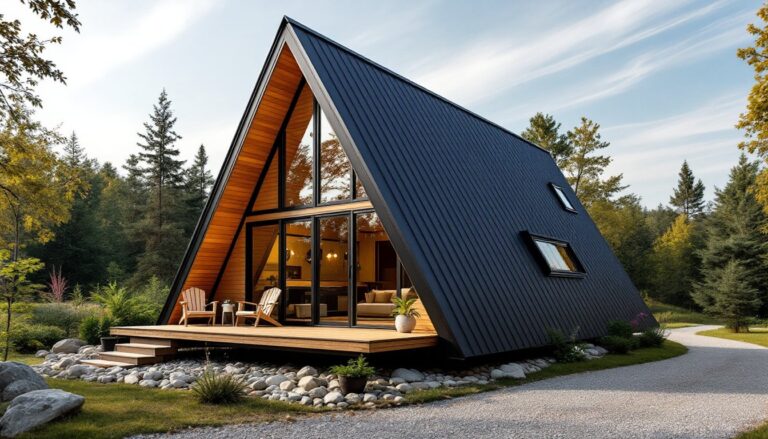
Building your own cuts costs by 30–50% but demands time and skill. A DIY 300-square-foot tiny home on a trailer typically costs $20,000–$35,000 in materials, assuming you source lumber at regional prices (Southern Yellow Pine 2×4 studs run $4–$6 each as of mid-2026) and handle framing, wiring, and plumbing yourself. Design inspiration from reclaimed wood tiny homes shows how salvaged materials reduce both cost and environmental impact, though sourcing quality reclaimed lumber in South Carolina requires patience and connections with demolition contractors.
Tool requirements for a build include a compound miter saw (essential for precise angle cuts on rafters and trim), a circular saw for sheet goods, a pneumatic nail gun (saves hours on sheathing and siding), and a multimeter for electrical work. Budget $1,500–$2,500 for tools if you’re starting from scratch, or rent specialty equipment like a trailer welder if you’re fabricating a custom chassis.
Permitting differences matter. DIY builds on permanent foundations need the same permits as contractor-built homes, building, electrical, plumbing, and septic, plus inspections at rough-in and final stages. Trailer-mounted builds fall into a gray area: if you register the trailer with the DMV and certify the structure as an RV (which requires third-party inspection), you may avoid residential building permits but lose the ability to claim it as a legal dwelling in most counties.
Cost Breakdown: What to Expect When Going Tiny in South Carolina
Land purchase varies wildly by region. Upstate lots (1–2 acres) near Greenville or Spartanburg run $30,000–$60,000, while rural tracts in counties like Marlboro or Dillon drop to $10,000–$20,000. Coastal land commands a premium, expect $100,000+ for anything within 10 miles of Charleston or Hilton Head. Factor in site prep costs: clearing and grading run $2,000–$5,000, gravel driveways add $1,500–$3,000, and utility trenching (electric, water, sewer) costs $3,000–$8,000 depending on distance from the road.
Utility hookups for a permanent tiny home include:
- Electric service: $1,000–$2,500 for a meter base, panel, and connection to the grid
- Well drilling: $3,500–$7,000 (depth averages 150–300 feet in SC)
- Septic system: $3,000–$6,000 for a conventional 1-bedroom system
- Propane tank: $500–$1,200 (lease or purchase a 250–500 gallon above-ground tank)
Monthly expenses in a paid-off tiny home average $300–$600:
- Property tax: $25–$75/month (on a $50,000 assessed lot)
- Utilities: $80–$150 (electric, water, propane)
- Insurance: $50–$100 (liability and structure coverage: RVIA-certified units may qualify for RV insurance at lower rates)
- Internet: $50–$80 (fiber availability varies: rural areas rely on satellite or fixed wireless)
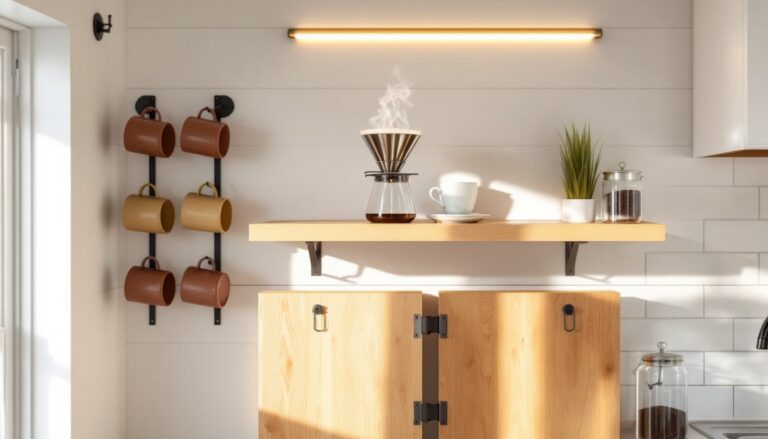
Content from Apartment Therapy highlights how compact living requires strategic storage and multipurpose furniture, which can add $1,000–$3,000 to initial furnishing costs. Curbed reports that tiny home real estate trends show increasing buyer interest in the Southeast, pushing up resale values for well-maintained units in desirable locations.
Conclusion
South Carolina’s combination of affordable land, flexible counties, and mild climate makes it a strong contender for tiny home living, but only if you do the assignments upfront. Confirm zoning, secure permits before you build, and budget for site prep and utilities beyond the structure itself. Whether you’re exploring tiny home options or ready to haul a finished unit across the state line, treat the regulatory side as seriously as framing and finish work. That diligence turns a dream into a legal, livable reality.