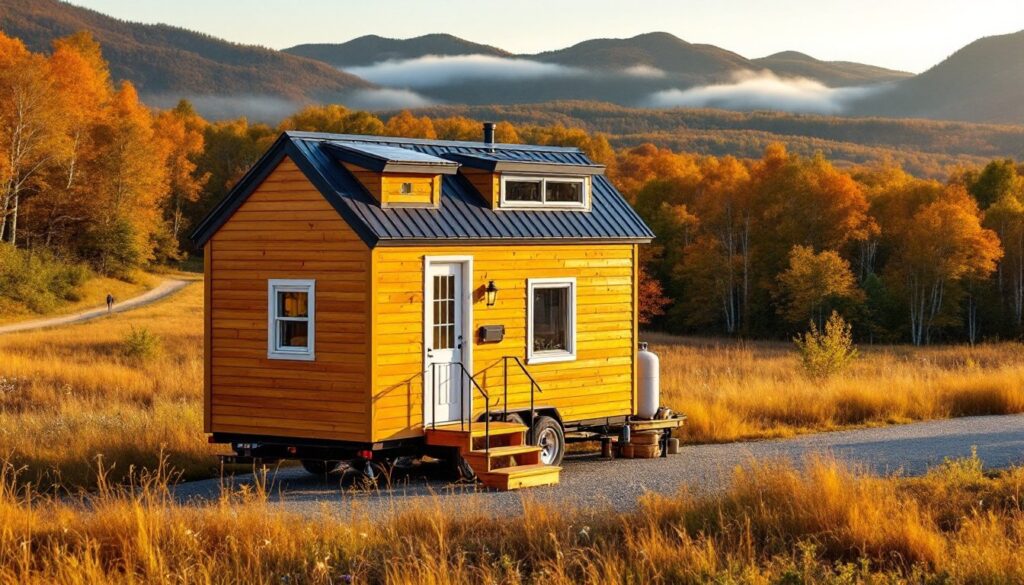

Vermont’s rolling hills, tight-knit communities, and four-season beauty make it a natural fit for tiny home living. But before you haul a 200-square-foot dwelling onto a wooded lot or nestle it into a valley, you need to understand the rules, costs, and practical realities of going small in a state known for strict land use regulations and brutal winters. This guide walks through zoning laws, site selection, winterization essentials, and cost breakdowns, everything needed to make tiny living work in Vermont without running afoul of local codes or freezing pipes come January.
Key Takeaways
- Vermont’s zoning laws for tiny homes vary by municipality, so contact your local zoning administrator before purchasing land to confirm THOWs, ADUs, and minimum square footage requirements are permitted in your town.
- Winterization is essential for tiny homes in Vermont—plan for R-30 roof insulation, R-20 walls, and reliable heating (propane, mini-split heat pump, or wood stove) to protect against sub-zero temperatures and prevent frozen pipes.
- Tiny homes in Vermont typically cost $40,000–$80,000 prefab or $30,000–$50,000 DIY, but budget additional funds for septic systems ($8,000–$15,000), wells ($8,000–$15,000), solar panels ($10,000–$20,000), and permits ($500–$1,500).
- Central and southern Vermont towns like Montpelier, Brattleboro, and Hartford offer the most flexible ADU ordinances, while the Northeast Kingdom provides affordable land ($1,000–$3,000 per acre) but with limited infrastructure and services.
- Avoid flood zones and check utility proximity before site selection—extending electrical lines or drilling wells can add $8,000–$30,000 to your tiny home project costs.
- Connect with Tiny Home Vermont and local community organizations to explore land-share opportunities, informal lease arrangements, or intentional communities rather than purchasing land outright.
Why Vermont Is Perfect for Tiny Home Living
Vermont’s landscape and culture align well with the tiny home ethos. The state has a long tradition of self-sufficiency, back-to-the-land movements, and environmental stewardship. Population density is low, around 68 people per square mile, so finding land isn’t as competitive as in neighboring states.
The Green Mountain State also offers access to outdoor recreation year-round. Proximity to trails, skiing, and rivers means tiny homeowners spend less time indoors, making a smaller footprint feel more spacious. Local farmers’ markets, food co-ops, and maker communities foster a lifestyle that values quality over quantity.
Utility hookups can be sparse in rural areas, which pushes many tiny homeowners toward off-grid or hybrid systems, solar panels, composting toilets, and propane heating. Vermont’s net metering policies and renewable energy incentives make solar installations more affordable, though upfront costs still run $10,000–$20,000 for a system sized to a tiny home. If you’re considering designs that maximize limited space, features like a compact ladder system can improve accessibility without sacrificing floor area.
Understanding Vermont’s Tiny Home Regulations and Zoning Laws
Vermont does not have a statewide tiny home code. Regulation happens at the municipal level, which means rules vary widely from one town to the next. Some municipalities treat tiny homes on wheels (THOWs) as recreational vehicles, banning full-time occupancy in residential zones. Others allow them as accessory dwelling units (ADUs) if the structure meets IRC (International Residential Code) minimums.
Before purchasing land or a tiny home, contact the local zoning administrator and building inspector. Ask whether THOWs are permitted, if ADUs are allowed, and what the minimum square footage requirement is. Some towns set a 500-square-foot minimum for dwellings, effectively ruling out structures under that threshold. If you’re planning to build rather than buy, expect the same permit process as a conventional home, engineered plans, foundation inspections, electrical and plumbing sign-offs.
Tiny homes on permanent foundations typically face fewer regulatory hurdles. If the structure is built to IRC standards and placed on a frost-protected foundation (required in Vermont due to freeze-thaw cycles), most towns will issue a certificate of occupancy. Mobile tiny homes face more scrutiny. Even if the home is RVIA-certified (Recreational Vehicle Industry Association), many jurisdictions won’t allow it as a primary residence in residential zones.
Local Ordinances and Building Codes
Each Vermont town adopts its own zoning bylaws. In Brattleboro, for example, ADUs are permitted on lots with existing primary residences, but size is capped at 30% of the main dwelling’s square footage or 900 square feet, whichever is less. Burlington allows ADUs by right in most residential districts, but parking and setback requirements still apply.
Electrical and plumbing work must be performed by licensed professionals or owner-builders who pull permits and pass inspections. Vermont follows the National Electrical Code (NEC) and its own plumbing code. Composting or incinerating toilets may require variance approval depending on local health ordinances.
Septic systems are a sticking point. If the property lacks municipal sewer access, a septic permit from the Vermont Department of Environmental Conservation is required. A standard system for a one-bedroom tiny home costs $8,000–$15,000, which can rival the cost of the dwelling itself. Some owners opt for composting toilets to avoid septic expense, but not all towns allow them. Rural zoning codes often reflect traditional country-style home ideas that assume larger footprints and conventional utilities.
Best Locations in Vermont for Your Tiny Home
Central and southern Vermont offer the most tiny-home-friendly towns. Montpelier, the state capital, has explored tiny home zoning amendments and hosts a community interested in alternative housing. Towns like Brattleboro, Hartford, and Windsor have more flexible ADU ordinances and a culture that embraces unconventional living.
The Northeast Kingdom, Vermont’s rural, sparsely populated northeast corner, provides affordable land and fewer zoning restrictions, but infrastructure is limited. Expect gravel roads, spotty cell service, and longer drives to services. Land prices here range from $1,000 to $3,000 per acre, compared to $5,000–$10,000 per acre in more accessible regions.
Avoid flood zones. Vermont experienced severe flooding from Tropical Storm Irene in 2011, and climate patterns have increased heavy rainfall events. Check FEMA flood maps before buying land. Building in a flood zone can void insurance and make financing difficult. For those prioritizing accessibility in design, a wheelchair-friendly layout ensures the home remains functional for all residents.
Proximity to utilities matters. If the property has no well, drilling costs $8,000–$15,000 for a typical 300-foot well. Electricity line extensions run about $20–$30 per foot if the nearest pole is far from the building site. Off-grid solar and a drilled well can exceed $30,000 combined, so factor those costs into site selection.
Cost Breakdown: Building or Buying a Tiny Home in Vermont
Buying a prefab or used tiny home typically costs $40,000–$80,000 for a turnkey unit. Shipping to Vermont adds $3–$5 per loaded mile, so a West Coast build could add $9,000 in transport alone. Local builders exist but expect higher labor rates, $50–$75 per hour for skilled carpenters.
Building from scratch can save money if you’re comfortable swinging a hammer, but material costs in Vermont run higher than national averages due to transportation and demand. Budget $30,000–$50,000 for a DIY build, assuming you handle framing, insulation, and finish work yourself. Hiring out electrical, plumbing, and HVAC still runs $8,000–$12,000 combined.
Foundation costs depend on whether you’re building on a trailer or a permanent base. A triple-axle trailer rated for 14,000 lbs costs $5,000–$7,000. A frost-protected shallow foundation (FPSF) or pier foundation runs $4,000–$8,000 depending on soil conditions and accessibility. Conventional slab or crawlspace foundations push costs higher.
Materials:
- Framing lumber (2x4s, 2x6s, plywood sheathing): $4,000–$7,000
- Windows and exterior door: $1,500–$3,000
- Roofing (metal is common for durability): $1,200–$2,500
- Insulation (closed-cell spray foam for cold climates): $2,000–$4,000
- Interior finishes (drywall, flooring, cabinetry): $3,000–$6,000
Permit fees vary by town but typically run $500–$1,500. Add another $1,000–$2,000 for engineered plans if required. If you’re incorporating sustainable materials, reclaimed wood finishes can reduce costs and add character while supporting eco-friendly building practices.
Winterizing Your Vermont Tiny Home for Harsh Weather
Vermont winters hit hard. January lows average 0–10°F in most areas, and wind chill can drop below -20°F. A tiny home that isn’t properly insulated and heated will freeze pipes, condensate moisture, and cost a fortune in propane or electricity.
Insulation is non-negotiable. Aim for R-30 in the roof, R-20 in walls, and R-10 minimum in the floor. Closed-cell spray foam works well in tight spaces and eliminates air gaps that cause drafts. Fiberglass batts are cheaper but harder to install without thermal bridging through studs. Dress studs with rigid foam board on the exterior if space allows.
Heating options:
- Propane vented heaters (e.g., Rinnai or Dickinson Marine) are common. A 100-lb propane tank lasts 2–4 weeks depending on usage. Expect to spend $600–$1,200 per winter on propane.
- Mini-split heat pumps work down to about -15°F and provide both heating and cooling. Installation costs $3,000–$5,000. They’re efficient but require backup heat for extreme cold snaps.
- Wood stoves are romantic but require clearances (typically 36 inches from combustibles), floor protection, and a Class A chimney. Installation runs $2,000–$4,000. Expect to burn 2–3 cords per winter at $250–$350 per cord.
Protect plumbing. Use PEX tubing instead of copper, it’s more freeze-tolerant and easier to route through tight spaces. Insulate all supply lines with foam pipe sleeves. Heat tape (thermostatically controlled) on drain lines prevents clogs. If going off-grid, a composting toilet eliminates the need for a black water tank that can freeze. Many tiny homeowners also design layouts with pets in mind, ensuring spaces remain comfortable for furry companions during cold months.
Ventilation matters. Tiny homes generate moisture from cooking, showering, and breathing. Install a bathroom exhaust fan (CFM rated for at least 50) and crack a window periodically even in winter. Condensation on cold windows signals inadequate ventilation or insulation gaps.
Finding Tiny Home Communities and Land in Vermont
Vermont has a small but growing number of tiny home communities and supportive landowners. Tiny Home Vermont, a grassroots organization, connects builders, owners, and advocates. Their online forums and meetups are good starting points for finding land-share opportunities or partners interested in co-housing arrangements.
Private land rental or lease is common. Some property owners allow tiny homeowners to park on their land in exchange for property maintenance, snow removal, or a modest monthly fee ($200–$500). These informal arrangements work best with written agreements covering utilities, duration, and exit terms. Trends in suburban tiny home placement show growing interest even in more developed areas, though rural Vermont remains the primary market.
Buying land outright gives the most control but requires navigating zoning and financing. Raw land loans have higher interest rates (6–10%) and require larger down payments (30–50%). Look for parcels with road frontage, southern exposure for solar, and access to utilities if going grid-tied. While Vermont doesn’t have large-scale tiny home villages like some Western states, interest in intentional communities and affordable housing models continues to grow among advocacy groups and municipal planners.
Campsites and RV parks occasionally allow long-term tiny home parking, but most cap stays at 6 months per year. This works for seasonal use but not year-round residency. Online platforms often feature tiny living trends and community models that illustrate how small-scale developments are taking shape across the country.
Always verify zoning before spending money. A quick call to the town clerk or zoning office can save months of frustration and wasted investment.