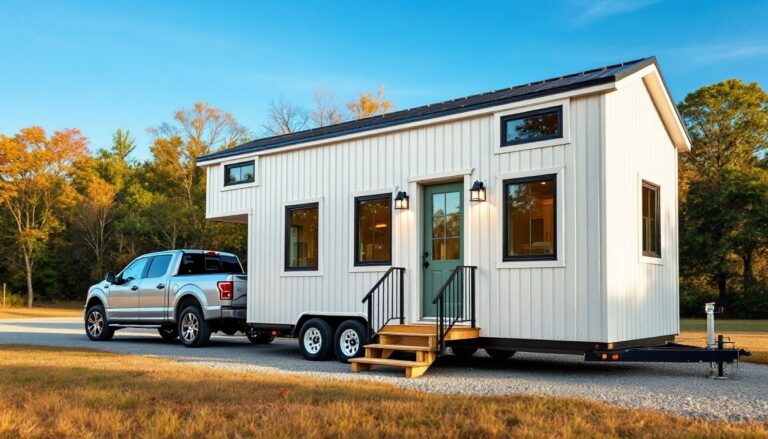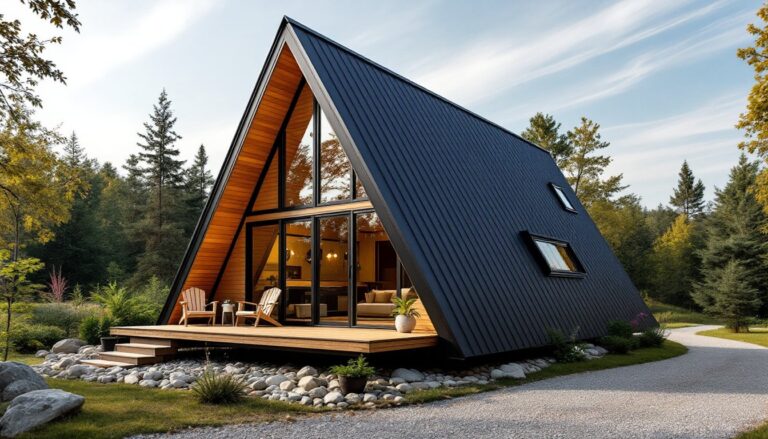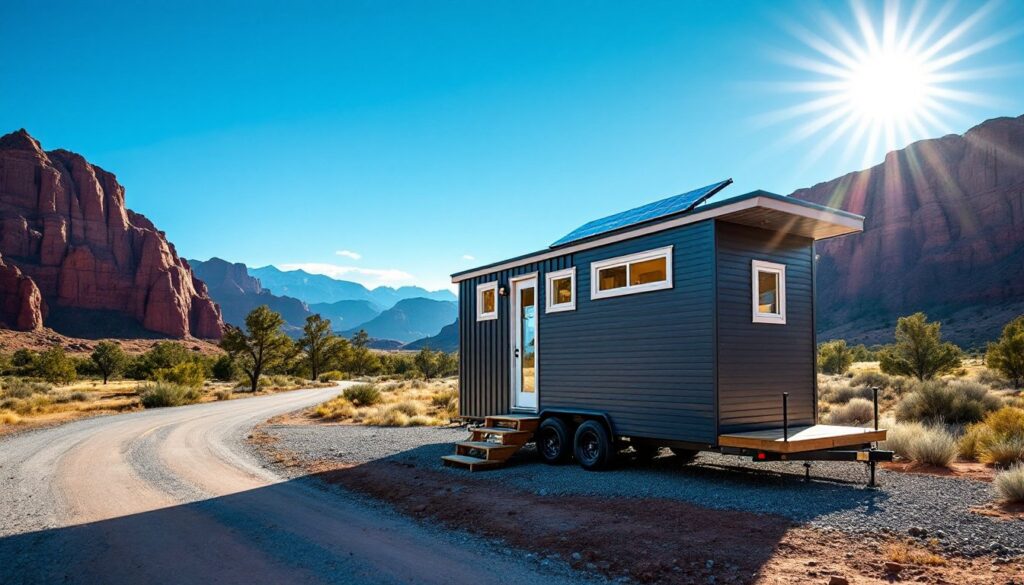

Utah’s dramatic landscapes, from red rock canyons to alpine forests, have always drawn people looking for a simpler, more intentional life. Tiny homes fit that vision perfectly. They’re affordable, adaptable, and easy to maintain, which makes them ideal for the state’s diverse terrain and climate. Whether someone’s eyeing a plot near Moab, a suburban lot in Ogden, or rural land in Cache Valley, Utah offers genuine opportunities for downsized living. But zoning laws, building codes, and land access vary widely across municipalities. This guide walks through the legal framework, best locations, and practical decisions anyone considering a tiny home in Utah needs to understand before breaking ground or parking a trailer.
Table of Contents
ToggleKey Takeaways
- Tiny homes in Utah offer an affordable alternative to traditional housing, with purchase prices between $30,000–$80,000 compared to median home prices exceeding $550,000 in Salt Lake County.
- Utah’s zoning laws for tiny homes vary dramatically by municipality, so checking with your local planning department is essential before buying land or a home.
- Foundation-built tiny homes are regulated as permanent dwellings and require building permits, while tiny homes on wheels occupy a gray legal zone and may need zoning permits depending on location.
- Utah’s dry climate and low humidity provide advantages for tiny home durability, but winters in the north drop below 0°F and summers in the south exceed 100°F, requiring proper insulation and ventilation systems.
- Park City, Salt Lake City, Ogden, and Cache County offer the most progressive tiny home frameworks, while remote counties like San Juan have minimal zoning restrictions for structures under 200 square feet.
- Raw land in rural Utah starts at $2,000–$10,000 per acre, but factor in well drilling ($15–$35 per foot), septic installation ($5,000–$15,000), and electrical hookup costs ($3,000–$10,000) when budgeting for a tiny home project.
Why Utah Is Perfect for Tiny Home Living
Utah’s combination of low population density, public land access, and outdoor culture makes it a strong match for tiny home enthusiasts. The state has more than 63% public land, much of it managed by the Bureau of Land Management and the U.S. Forest Service, which translates to cheap or free dispersed camping options for off-grid experimentation.
Utah’s climate is dry and four-season, which affects building material choices. Winters in northern counties can drop below 0°F, so insulation and heating systems need to meet cold-weather standards. Summers in southern Utah regularly hit 100°F+, requiring ventilation and reflective roofing. But the low humidity means less risk of mold and rot, a major advantage over coastal tiny home markets.
The cost of traditional housing in Utah has climbed sharply. As of early 2026, the median home price in Salt Lake County exceeds $550,000, and rural markets aren’t far behind. Tiny homes, whether on foundations or wheels, offer a way to own outright for a fraction of that cost, often between $30,000 and $80,000 depending on size and finish level.
Utah’s growing interest in sustainable building materials and alternative housing has pushed some municipalities to update zoning codes. That momentum is uneven, but it’s real.
Understanding Utah’s Tiny Home Laws and Zoning Regulations
Utah doesn’t have a statewide tiny home law. Regulation happens at the county and city level, which means the rules in Park City differ dramatically from those in rural Sanpete County. Most municipalities classify tiny homes in one of three ways: accessory dwelling units (ADUs), recreational vehicles (RVs), or single-family dwellings.
If a tiny home is on a permanent foundation and meets the International Residential Code (IRC), it’s typically treated as a dwelling. That means it needs to comply with minimum square footage requirements, often 120 to 200 square feet per bedroom, depending on local amendments. Foundation-built tiny homes also require utility hookups: water, sewer or septic, and electrical service inspected to National Electrical Code (NEC) standards.
Tiny homes on wheels (THOWs) fall into a gray zone. If registered as an RV, they’re subject to vehicle codes and can’t be used as permanent residences in most zoning districts. Some cities allow THOWs as ADUs if they’re certified under ANSI A119.5 (the tiny house RV standard) and parked on a property with an existing primary residence. Parking restrictions are strict: many municipalities prohibit RVs in front yards or on vacant lots.
A handful of Utah counties have embraced tiny house parking for ADUs, but enforcement varies. Always check with the local planning department before purchasing land or a home.
Building Codes and Permit Requirements
Permit requirements hinge on whether the tiny home is on a foundation or on wheels. Foundation-built tiny homes require a building permit, which triggers inspections for framing, electrical, plumbing, insulation, and final occupancy. Expect permitting costs between $500 and $2,000, depending on jurisdiction and square footage.
THOWs certified as RVs generally don’t require a building permit, but they may need a zoning permit or conditional use permit to park long-term. Some rural counties have minimal or no permitting requirements for structures under 200 square feet on agricultural land, but that’s not universal.
Utah adopted the 2018 International Residential Code with state amendments, including a provision for tiny houses as a dwelling category. But, local amendments can override or restrict this, so confirming the adopted code version with the local building official is essential. If the build includes a loft sleeping area, check headroom and egress window requirements, IRC Section R310 mandates a minimum 5.7 square feet of openable area for emergency escape.
Best Cities and Counties for Tiny Homes in Utah
Park City allows ADUs on single-family lots, including tiny homes on foundations or wheels, provided they meet design review standards and are occupied by family members or long-term tenants. The process is more bureaucratic than in rural areas, but the infrastructure and services are top-tier.
Salt Lake City updated its ADU ordinance in 2020 to allow detached accessory dwellings up to 650 square feet without owner-occupancy requirements. Tiny homes on foundations fit this category cleanly. THOWs are trickier, they’re not explicitly allowed as permanent dwellings but can sometimes be permitted as temporary housing.
Ogden has one of Utah’s more progressive ADU frameworks, with no minimum lot size for detached ADUs and streamlined permitting. Suburban tiny home projects have gained traction here, especially on the east bench.
Cache County (Logan area) allows tiny homes on agricultural land with fewer restrictions than urban zones. Minimum square footage rules are relaxed on A-10 or A-20 zoned parcels, and well and septic permits are relatively straightforward.
Washington County (St. George, Hurricane) has warmer winters and looser enforcement in unincorporated areas. Some landowners place THOWs on rural parcels without permits, though that’s a legal gray area. The county is considering an ADU ordinance as of 2026, which could open up tiny home options in suburban zones.
San Juan County and other remote counties have minimal zoning outside town limits. If someone owns land, there’s often no permitting required for a structure under 200 square feet. Off-grid systems (solar, composting toilet, rainwater catchment) are common and legal.
Buying vs. Building Your Tiny Home in Utah
Buying a prefab or used tiny home is faster, but it limits customization and may not match Utah’s climate needs. Most prefab models are designed for temperate zones, buyers should verify R-value insulation (aim for R-30 in the ceiling, R-21 in walls, R-19 in floors for Utah winters) and confirm the build meets Utah’s adopted IRC or ANSI standards.
Prefab tiny homes from regional builders range from $50,000 to $100,000 for a turnkey unit. Shipping costs from out-of-state manufacturers add $3,000 to $8,000. Used tiny homes are listed on sites like Tiny House Listings and Facebook Marketplace, often between $25,000 and $60,000, but inspect for structural issues, water damage, and code compliance.
Building from scratch offers control over materials, layout, and systems. A DIY build on a trailer can cost as little as $15,000 to $30,000 if the owner does most of the work and sources salvage materials. Hiring a contractor for a custom foundation-built tiny home typically runs $100 to $200 per square foot.
Key trade-offs:
- Foundation-built: Permanent, easier to finance and insure, meets local codes, but harder to relocate.
- THOW: Portable, doesn’t always need a permit, but financing is limited (RV loans or personal loans), and insurance is through RV policies, which may not cover full replacement.
For anyone considering a specialized design, budget extra for custom framing, wider doorways, and accessible fixtures. These modifications add $5,000 to $15,000 but ensure the home meets ADA guidelines if needed.
Finding Land and Parking for Your Tiny Home
Raw land in rural Utah starts around $2,000 to $10,000 per acre, depending on access, water rights, and proximity to utilities. County parcel maps and real estate platforms like LandWatch, Zillow Land, and Land and Farm list available lots. Before buying, confirm zoning allows residential structures and check if the parcel has design trends typical of the area that may affect resale.
Water access is critical. If the land isn’t served by a municipal system, a well permit is required. Drilling costs in Utah range from $15 to $35 per foot, and wells typically need to reach 100 to 500 feet depending on the water table. Septic system permits and installation run $5,000 to $15,000. Alternative systems like composting toilets and greywater recycling can reduce costs but may not meet code in all jurisdictions.
Electrical service: If the parcel is within a quarter-mile of a power line, hookup costs are $3,000 to $10,000. Beyond that, off-grid solar becomes competitive. A basic 3 kW solar array with battery storage costs around $10,000 to $15,000.
For those who don’t want to buy land outright, tiny home communities and private RV parks offer rental parking. A few Utah-based communities explicitly welcome tiny homes, including some near Salt Lake City and Moab. Monthly rates range from $300 to $700, often including utilities.
Another option: contact owners of large rural properties. Many landowners are open to renting a corner of their land for a tiny home, especially if the resident helps with property maintenance. Always get a written land lease agreement that specifies utilities, access rights, and duration.
Conclusion
Tiny homes in Utah aren’t a fringe experiment anymore, they’re a practical response to housing costs, a desire for mobility, and a values shift toward minimalism. The state’s regulatory landscape is inconsistent, but it’s improving. Anyone serious about tiny living here should start with local zoning research, budget realistically for land and utilities, and decide early whether a foundation or wheels makes more sense for their situation. The infrastructure is there, the land is available, and the lifestyle fits Utah’s culture.