
Prefab tiny homes have shifted from novelty to legitimate housing solution. For those priced out of traditional real estate or seeking downsized freedom, factory-built compact dwellings offer a faster, often cheaper path to ownership. Unlike site-built construction, prefab units arrive largely complete, walls framed, utilities roughed in, finishes installed. This cuts labor costs and timeline unpredictability. But “affordable” is relative, and not all prefab tiny homes deliver on budget promises. Knowing what drives costs, where to shop, and how to customize wisely separates a smart buy from a regrettable impulse.
Table of Contents
ToggleKey Takeaways
- Affordable prefab tiny homes cut costs through factory-built assembly-line efficiency, bulk material purchasing, and controlled labor scheduling—delivering 30–50% savings versus site-built construction.
- Price varies dramatically by finish level: shell kits start near $22,000–$28,000 while fully equipped prefab tiny homes range $45,000–$72,000, with hidden costs in delivery, interior finishes, and utilities.
- Understand the legal distinction between trailer-mounted THOWs (RV-regulated, fewer permits) and permanent modular units (IRC-compliant, stricter zoning)—zoning restrictions can block tiny homes under 600 square feet in many suburbs.
- Material and finish choices drive secondary costs: opt for mid-grade siding ($5–$7/sq ft) and spray foam insulation for longevity, reserve RV-style fixtures for true budget builds, and prioritize professional electricians and plumbers.
- DIY high-impact, low-skill tasks like painting, flooring, and trim installation save $3,000–$5,000, but hire licensed pros for electrical and plumbing to ensure code compliance and resale value.
- Financing prefab tiny homes requires alternatives to traditional mortgages—personal loans, RV loans, or chattel mortgages typically offer better terms than conventional options for mobile or non-traditional units.
What Are Prefab Tiny Homes and Why They’re More Affordable
Prefab (prefabricated) tiny homes are built in a controlled factory environment, then transported to the site as modules or panels. They range from 100 to 400 square feet on average, though some push toward 600. Construction happens indoors, shielded from weather delays, which tightens schedules and reduces waste.
The cost advantage stems from assembly-line efficiency. Builders purchase materials in bulk, standardize floor plans, and employ dedicated crews who repeat the same tasks daily. This contrasts with site-built projects, where each home is essentially a prototype, subject to variable labor rates, permit delays, and material theft. Factory oversight also means tighter quality control, fewer callbacks for leaks or misaligned trim.
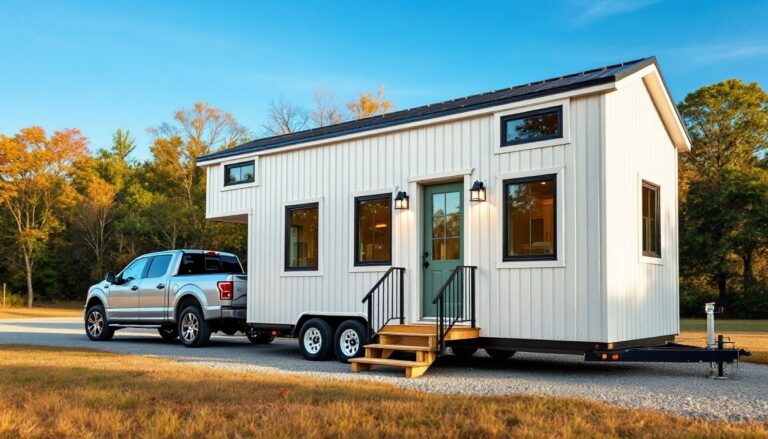
Most prefab tiny homes arrive on a trailer chassis (for mobility under RV regulations) or as permanent modular units requiring a foundation. Trailer-mounted models (often called THOWs, Tiny Homes On Wheels) bypass some residential building codes by falling under ANSI A119.5 or NFPA 1192 for park models. Permanent modular units must meet IRC (International Residential Code) standards and typically need the same permits as stick-built homes. Understanding this distinction matters: a THOW can sometimes park on private land without a building permit, while a modular tiny home on a foundation faces stricter zoning scrutiny.
Top Budget-Friendly Prefab Tiny Home Options Under $50,000
Several manufacturers target the sub-$50k market, though buyers must read the fine print, some advertise shell pricing (no plumbing or electric), while others include full turnkey finishes.
Tumbleweed Tiny House Company offers models like the Elm, starting around $72,000 complete, but their DIY shell kits begin near $28,000. You’ll handle insulation, drywall, electric, and plumbing. Expect to add another $15,000–$25,000 in materials and labor if hiring subs.
MODS International sells modular units from roughly $40,000 to $55,000 delivered within 500 miles. These include framing, insulation, windows, exterior siding, and a basic electrical panel, but interiors arrive unfinished. Budget an additional $10,000 for flooring, cabinetry, fixtures, and appliances.
Jamaica Cottage Shop builds post-and-beam kits starting at $22,000 for a 12×20 structure. These ship as pre-cut lumber: you assemble on-site. Foundations, utilities, and interior finishes are your responsibility. This option suits confident DIYers comfortable reading plans and running conduit.
Tru Form Tiny markets complete THOWs from $45,000. These include RV-style hookups (shore power, fresh/gray water tanks), LP appliances, and basic cabinetry. Finishes skew utilitarian, laminate counters, vinyl plank floors, but everything functions out of the box.
For suburban tiny homes, verify local zoning before purchase. Many municipalities restrict dwellings under 600 square feet or prohibit trailers as primary residences. Some builders, like Craftsman Tiny Homes, offer guidance on zoning-compliant models that meet minimum square footage and foundation requirements, though prices creep toward $60,000.
Key Factors That Impact Prefab Tiny Home Costs
Size and Floor Plan Complexity
Square footage drives base cost, but layout efficiency matters nearly as much. A simple 12×24 gable (288 sq ft) with a single loft runs cheaper than a 20×10 design (200 sq ft) featuring dormers, a bump-out, and dual lofts. Complex rooflines increase framing labor and material waste. Stairs eat floor space and cost more than a fixed tiny home ladder, but they’re safer and code-required in many permanent installations.
Loft ceiling height also impacts price. Habitable lofts under IRC must maintain 7 feet over 50% of floor area, pushing overall structure height and requiring engineered trusses instead of simple rafters. Trailer-based THOWs face a 13.5-foot transport height limit (including trailer deck), so maximizing headroom often means thinner floor systems or creative framing.
Open floor plans cost less than compartmentalized layouts. Every interior wall adds studs, drywall, doors, and trim. A studio layout with a bathroom core runs $8–$12 per square foot cheaper than a one-bedroom with separate kitchen and living zones.
Materials and Finishes
Exterior cladding ranges from budget T1-11 plywood siding ($1.50/sq ft installed) to fiber cement ($5–$7/sq ft) or metal panels ($4–$6/sq ft). T1-11 needs repainting every 5–7 years: fiber cement lasts 30+ with minimal maintenance. For resale value and longevity, mid-grade siding pays off, but upfront budget often dictates choices.
Interior finishes swing costs dramatically. Luxury vinyl plank (LVP) flooring runs $2–$4 per square foot: engineered hardwood pushes $6–$10. Laminate countertops cost $20–$40 per linear foot: quartz hits $60–$100. RV-style fixtures (plastic sinks, acrylic tubs) save money but feel cheap. Residential-grade faucets and toilets add $300–$600 but improve livability.
Insulation choice affects both cost and performance. Standard fiberglass batts (R-13 walls, R-30 roof) are cheapest but compress in transport. Spray foam (R-21 walls, R-38 roof) costs 50% more but seals air leaks and adds structural rigidity, critical for road-towed units. Many reclaimed wood tiny home projects use salvaged siding for aesthetics, but confirm it’s been kiln-dried to prevent pest issues and cupping.
Appliances and systems also vary. RV-style combo units (LP furnace, 12V fridge, tankless propane water heater) cost less upfront but sacrifice efficiency. Mini-split heat pumps ($1,500–$2,500 installed) deliver better climate control and work off standard 120V power, though they require outdoor condenser mounting. Composting toilets ($900–$2,000) eliminate black water tanks but need user buy-in.
How to Find and Buy Affordable Prefab Tiny Homes
Start by defining your use case: full-time residence, vacation cabin, or accessory dwelling unit (ADU)? This narrows acceptable models and clarifies whether you need RVIA certification (for RV parks), IRC compliance (for permanent foundation), or park model status (seasonal occupancy).
Search manufacturer directories like TinyHouseListings.com and TinyHouseBuilders.com. Filter by price, size, and delivery region. Shipping a prefab unit 1,000+ miles can add $5,000–$10,000, so prioritize regional builders when possible.
Request itemized quotes. Vague “starting at” prices hide upgrade costs. Ask explicitly:
- Does price include delivery and setup?
- Are appliances, fixtures, and cabinetry installed?
- Is electrical wired to code and inspected?
- What’s the warranty on structure, roof, and systems?
Inspect a completed model in person. Photos hide shoddy trim work, flimsy cabinet hinges, and inadequate ventilation. Check door/window operation, measure actual ceiling heights, and test water pressure. For wheelchair accessible tiny house needs, verify door widths (minimum 32 inches clear) and threshold heights (½ inch max) meet ADA guidelines, even if not legally required.
Financing prefab tiny homes is trickier than conventional mortgages. Trailer-mounted units rarely qualify for traditional loans: lenders treat them as personal property like RVs. Options include:
- Personal loans (unsecured, 7–12% APR, 5–7 year terms)
- RV loans (if RVIA-certified, 5–8% APR, 10–15 years)
- Chattel mortgages (for land + tiny home, 6–9% APR, 15–20 years)
- Home equity loans (if you own other property, 5–7% APR)
Permanent modular units on foundations typically qualify for standard mortgages, provided they meet local code and appraisal thresholds.
Consider resale before buying. Custom layouts and unconventional finishes limit buyer pool. Neutral palettes and standard appliances preserve value. Check if the manufacturer offers buy-back programs or certified resale listings, some builders help secondary markets.
DIY Customization Tips to Keep Costs Down
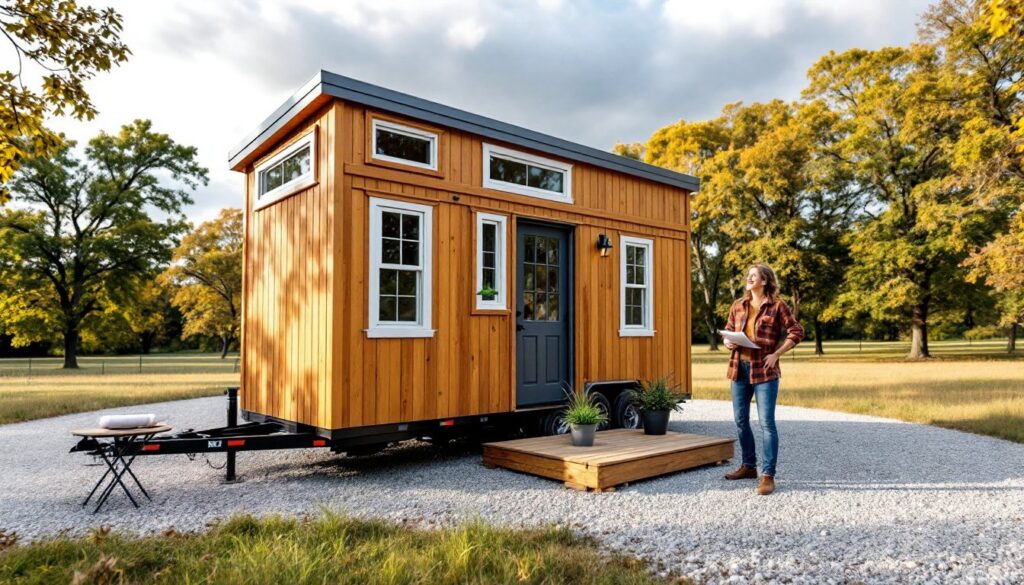
Sweat equity cuts costs, but only if you possess the skills and time. A botched plumbing rough-in or improperly sized electrical panel creates expensive callbacks and failed inspections.
Prioritize high-impact, low-skill tasks:
- Painting and staining: Save $1,500–$3,000 by handling interior/exterior finish coats yourself. Use a HVLP sprayer for siding (rents for $50/day) and rollers for interiors. One gallon covers roughly 350 square feet: a 300-sq-ft tiny home needs about 3 gallons for walls/ceiling (two coats).
- Flooring installation: LVP and laminate are beginner-friendly. Allow 10% waste for cuts. You’ll need a pull bar, tapping block, and utility knife. Budget 6–8 hours for 300 sq ft if you’re new to it.
- Trim and baseboards: Pre-primed MDF or pine casing costs $0.60–$1.50 per linear foot. A miter saw ($150–$300, or rent for $40/day) makes clean corners. Caulk and fill nail holes with lightweight spackle before painting.
Hire pros for critical systems:
- Electrical: Running 120V circuits, sizing breaker panels, and bonding ground requires knowledge of NEC Article 550 (mobile homes) or local residential code. Permit and inspection fees run $200–$500: a licensed electrician charges $75–$125/hour but ensures safety and resale legitimacy.
- Plumbing: PEX is DIY-friendly (crimped or SharkBite fittings), but venting a toilet or sizing a water heater demands code compliance. Improper venting causes sewer gas leaks: undersized heaters leave you with cold showers.
- Spray foam insulation: This requires specialized equipment and training. Overapplication or uneven coverage creates thermal bridging. Hire a certified installer.
Source materials smartly. Budget home makeovers often feature salvage yards and Habitat ReStores for doors, windows, and fixtures at 40–70% off retail. Inspect carefully, old windows may lack low-E coatings, costing you in heating bills. For pet friendly tiny house builds, add scratch-resistant LVP (thicker wear layer, 12–20 mil) and plan for pet-height ventilation to manage odors.
Tackle cosmetic upgrades post-move-in. Live in the space a few months before committing to built-ins or custom cabinetry. You’ll discover whether the galley kitchen workflow actually functions or if the loft ladder placement annoys you nightly. DIY home decor projects can transform interiors affordably once you understand daily patterns.
Safety note: Always wear eye protection when cutting, sanding, or spraying. Use N95 respirators for spray foam, paint, or dusty demolition. Tiny homes amplify VOC exposure due to limited air volume, ventilate aggressively during finishes.