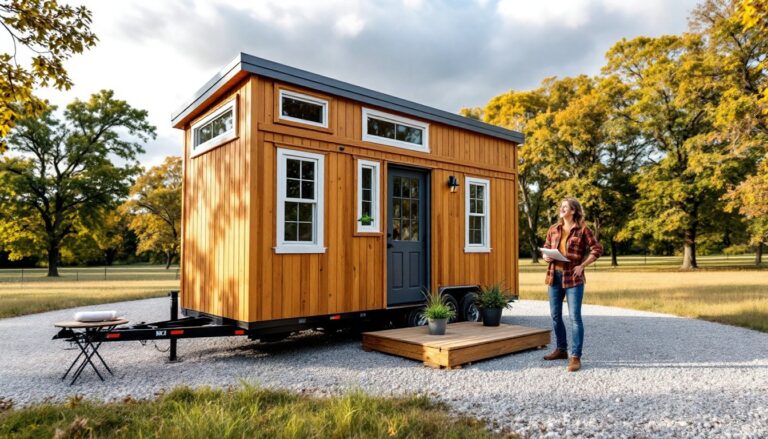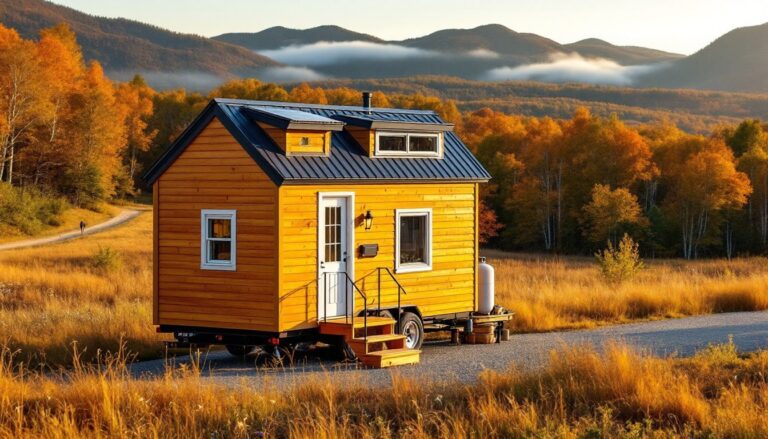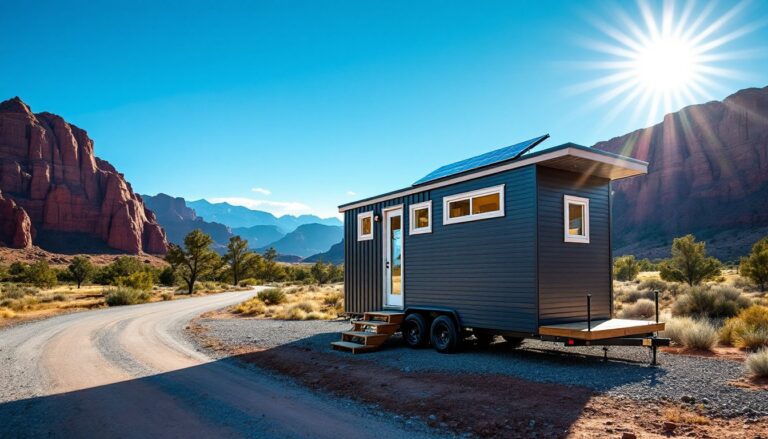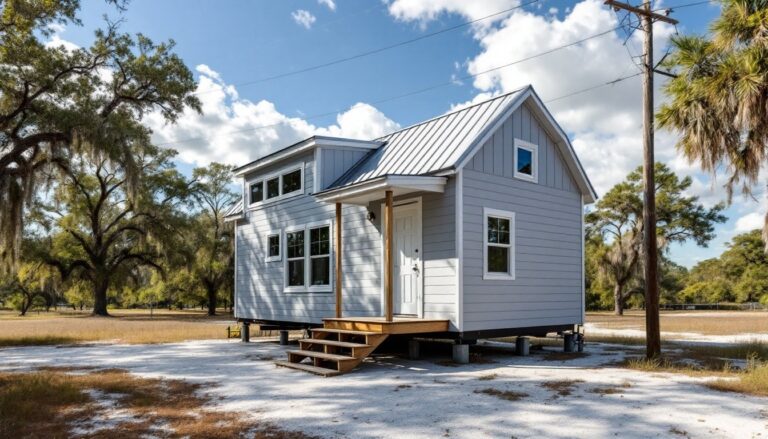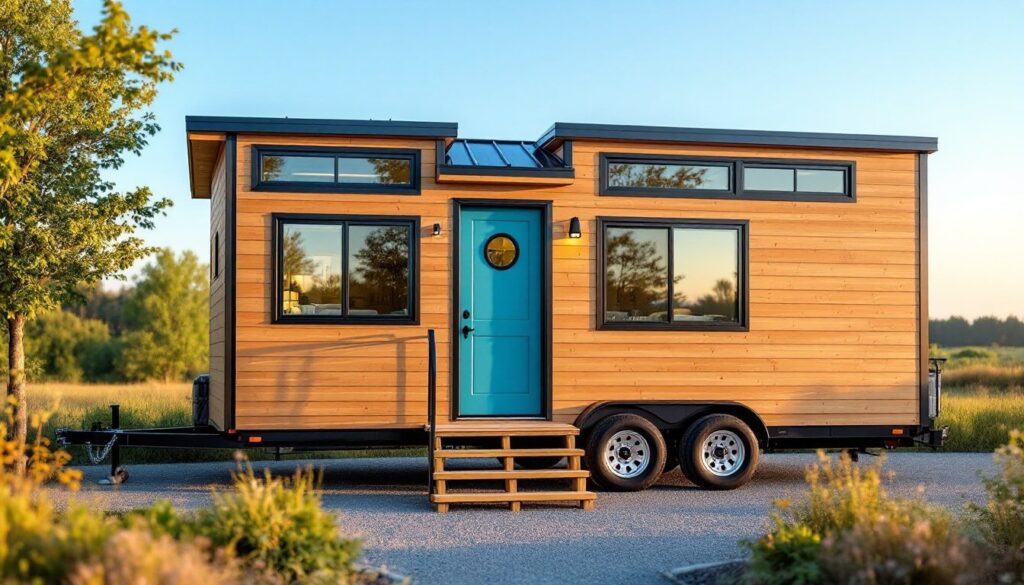

A single-bedroom tiny home works great for solo dwellers or couples, but what happens when kids, guests, or a home office enter the picture? Two-bedroom tiny homes solve the space puzzle without abandoning the benefits of compact living. These designs pack functional sleeping quarters, storage, and living areas into structures typically ranging from 400 to 800 square feet. They’re not just scaled-down houses, they’re thoughtfully engineered spaces where every inch earns its keep. Whether building from scratch, buying a prefab model, or converting an existing structure, understanding layout options, zoning requirements, and cost factors will help anyone make an well-informed choice about going tiny without going solo.
Key Takeaways
- Two-bedroom tiny homes cost 40–60% less than traditional houses while offering affordability, flexibility, and multi-generational living without sacrificing essential function.
- Loft bedroom designs maximize vertical space in road-legal structures but limit headroom and suitability for mobility-challenged occupants, while ground-level configurations offer accessibility and temperature control for all ages.
- Smart space maximization through multi-function furniture, vertical storage, flexible partitions, and efficient kitchen and bathroom layouts transforms cramped square footage into fully livable homes.
- Building costs for a 2-bedroom tiny home range from $30,000–$60,000 DIY to $60,000–$120,000+ turnkey, with hidden expenses like foundations, utilities, permits, and insurance significantly impacting total ownership cost.
- Zoning compliance and accessibility standards favor two-bedroom tiny homes for permanent occupancy in many municipalities, making them a legally sound alternative to single-bedroom designs.
- Evaluate end users and long-term plans before choosing a layout; loft designs suit young, budget-conscious individuals, while ground-level configurations serve families and those planning to age in place.
Why Choose a 2-Bedroom Tiny Home?
Two-bedroom tiny homes fill a specific niche that single-bedroom designs can’t address. Families with one child, remote workers needing dedicated office space, or retirees hosting occasional guests all benefit from the extra room.
Affordability remains a primary draw. Building or buying a 2-bedroom tiny home typically costs 40-60% less than a traditional house of comparable bedroom count, depending on finishes and location. Lower square footage also means reduced property taxes, utility bills, and maintenance expenses over time.
Flexibility matters when life changes. That second bedroom functions as a nursery today, a tween’s retreat tomorrow, and a craft room a decade later. Unlike adding onto a conventional home, which requires permits, foundation work, and significant expense, tiny home layouts adapt through furniture and partition changes.
Zoning compliance gets easier with two bedrooms. Some municipalities and RV parks set minimum bedroom requirements for permanent occupancy. A second bedroom can mean the difference between legal dwelling status and a glorified shed. Always check local codes before purchasing land or a structure: International Residential Code (IRC) Appendix Q addresses tiny houses, but adoption varies by jurisdiction.
The trade-off is straightforward: more privacy and function in exchange for tighter quarters overall. It’s not for everyone, but for those prioritizing financial freedom and intentional living, two bedrooms hit a sweet spot.
Popular 2-Bedroom Tiny Home Floor Plans and Layouts
Floor plan selection determines how livable a tiny home actually feels. Two-bedroom configurations fall into two broad categories, each with distinct advantages and limitations.
Loft Bedroom Designs
Loft bedrooms maximize vertical space in structures with ceiling heights of 10 to 13.5 feet (the maximum most jurisdictions allow for road-legal tiny homes on wheels). One bedroom occupies the main floor, while a second loft bedroom sits above the kitchen, bathroom, or living area.
Typical dimensions: Main-floor bedrooms measure 7’×9′ to 8’×10′. Loft bedrooms range from 6’×8′ (twin bed fit) to 8’×10′ (full or queen). Ceiling height in lofts is usually 3.5 to 4.5 feet, enough to sit up but not stand.
Access considerations: Most loft designs use a ladder or ship’s ladder (a steep staircase with alternating treads). Standard stairs with handrails meet IRC requirements but consume 25-30 square feet of main-floor space. Ladder designs vary widely in safety and comfort, especially for kids or older adults.
Pros: Lofts free up main-floor square footage for living areas, full-height storage, and kitchen workspace. They create distinct sleeping zones without solid walls.
Cons: Low headroom limits loft use to sleeping. Heat rises, making summer loft temps uncomfortable without adequate ventilation. Lofts aren’t suitable for anyone with mobility issues. Fire egress from lofts requires planning, IRC Appendix Q mandates emergency escape openings in sleeping rooms.
Ground-Level Bedroom Configurations
Ground-level plans place both bedrooms on the main floor, eliminating stairs and ladders entirely. These layouts work best in structures 500 square feet or larger, or in homes with expandable slide-outs common in park model RVs.
Layout strategies include:
- Side-by-side bedrooms separated by a pocket door or curtain partition (common in 8’×30′ or 8.5’×40′ trailer-based builds)
- Bedroom wings flanking a central kitchen and bath core
- Murphy bed or convertible furniture in one bedroom to serve dual purposes (office by day, sleeping space by night)
Ground-level designs typically dedicate 60-70 square feet minimum per bedroom to fit a twin bed and narrow walkway, or 90-120 square feet for a full or queen bed with dresser space.
Pros: Easier for all ages and abilities. Better temperature control. More headroom for dressing and storage. Meets accessibility standards more readily.
Cons: Reduces main living area significantly. May require longer trailer (if on wheels) or larger foundation footprint. Less visual separation between sleeping and living zones unless using solid walls, which add weight and cost.
Evaluate who will use the space and for how long. Lofts suit young, able-bodied occupants on tight budgets. Ground-level plans serve multi-generational households or anyone planning to age in place.
Design Tips for Maximizing Space in a 2-Bedroom Tiny Home
Smart design transforms tight square footage into functional living. These strategies apply whether building custom or modifying a prefab unit.
Multi-function furniture and built-ins: Skip freestanding dressers. Build cabinets under beds, inside stair treads, and along walls from floor to ceiling. Use a dinette with storage benches instead of chairs. Consider a wall-mounted fold-down table in the kitchen or bedroom. Modern compact designs often incorporate transforming furniture, desks that become dining tables, sofas with pull-out beds.
Vertical storage: Install shelving 12 to 18 inches below the ceiling. Use pegboard, slat walls, or magnetic strips in the kitchen and bathroom to keep counters clear. In loft bedrooms, shallow cubbies along the wall (8 to 10 inches deep) hold books, phones, and glasses without encroaching on sleeping space.
Light and sightlines: Keep window placement strategic. Clerestory windows (narrow horizontal windows near the ceiling) bring in light without sacrificing wall space for cabinets. Avoid heavy curtains: use cellular shades or shutters that stack tightly. Paint ceilings white or light gray to reflect light and visually raise the roofline.
Flexible partitions: Solid walls add weight (drywall weighs roughly 2 pounds per square foot: framing and insulation add more) and cut sightlines. Use tension rods with curtains, sliding barn doors, or folding screens to divide bedrooms from living areas when privacy is needed. Frosted acrylic panels on tracks offer a middle ground, visual separation with light transmission.
Bathroom and kitchen efficiency: A wet bath (shower, toilet, and sink in one waterproofed space) saves 15-25 square feet versus a separated bathroom. In the kitchen, skip the oven if cooking habits allow: a two-burner cooktop and countertop convection oven uses half the space. Use an 18-inch dishwasher or drawer-style unit instead of full-size.
Outdoor extensions: If local codes permit, add a covered deck or porch. This expands usable living area by 50-100 square feet without increasing the conditioned interior. Many suburban tiny home communities encourage outdoor living spaces as part of site planning.
These aren’t just décor tricks, they’re structural and spatial choices that should be decided during the design phase, not after walls are up.
Cost Considerations for Building or Buying a 2-Bedroom Tiny Home
Costs vary widely based on build method, materials, and location, but typical ranges provide a planning baseline.
DIY builds: Expect $30,000 to $60,000 for a 2-bedroom tiny home on a trailer if doing most labor yourself. This includes:
- Trailer: $4,500-$7,000 for a dual-axle flatbed rated for 10,000-14,000 lbs GVWR
- Framing lumber (2×4 studs, floor joists, rafters): $3,000-$5,000
- Exterior sheathing and siding: $2,500-$4,500
- Windows and doors: $2,000-$4,000
- Insulation (spray foam, mineral wool, or rigid foam): $1,500-$3,000
- Electrical and plumbing rough-in: $2,000-$4,000 (DIY-legal in some states: requires licensed contractors in others)
- Interior finishes (drywall or tongue-and-groove paneling, flooring, trim): $4,000-$7,000
- Appliances and fixtures: $3,000-$6,000
- Roofing (metal panels preferred for weight and longevity): $1,200-$2,500
Using reclaimed materials can shave 15-25% off lumber and finishing costs, though sourcing requires time and careful inspection for structural soundness.
Prefab or shell kits: Manufacturers offer shells (framed, sheathed, and weather-tight) for $20,000 to $45,000, with buyers completing interiors. Turnkey models range from $60,000 to $120,000+, depending on finishes and included systems. Research manufacturers thoroughly, some deliver on a trailer: others require the buyer to arrange transportation, which can add $3-$5 per mile.
Foundation costs (if not on wheels): A permanent 2-bedroom tiny home on a slab, crawl space, or pier foundation adds $6,000 to $15,000 depending on soil conditions and frost line depth. Check local building codes: some jurisdictions classify tiny homes under 400 square feet as accessory dwelling units (ADUs), which may have different foundation and setback requirements.
Permits and inspections: Budget $500 to $3,000 for building permits, electrical and plumbing inspections, and occupancy certificates. RV-certified tiny homes on wheels may bypass traditional building permits in some areas but must meet RVIA or NOAH standards for road legality.
Utilities and hookups: Installing septic ($3,000-$10,000), well ($5,000-$15,000), or connecting to municipal services ($1,500-$5,000) can eclipse the structure cost if building in a rural area. Many pet-friendly tiny house communities offer shared utilities and lower hookup fees.
Hidden expenses: Don’t overlook tools (a pneumatic framing nailer, miter saw, and cordless drill kit run $600-$1,200 combined), waste disposal during construction ($400-$800), and insurance during the build. Specialty tiny home insurance costs $600 to $1,200 annually, depending on value and whether the home is mobile or stationary.
According to data from home design surveys, buyers prioritize budget predictability. Lock in material costs early by purchasing lumber, windows, and fixtures when prices dip, and store them in a climate-controlled space to prevent warping.
Compare total cost of ownership, not just purchase price. A $70,000 turnkey tiny home with energy-efficient windows, spray foam insulation, and a heat pump may cost less over ten years than a $50,000 home with minimal insulation and baseboard heaters.
Conclusion
Two-bedroom tiny homes prove that compact living doesn’t mean compromising on function or flexibility. With thoughtful layout planning, space-efficient design, and realistic budgeting, they offer a viable path to homeownership, financial freedom, and simplified living. Whether the goal is downsizing, reducing debt, or creating a sustainable living space, the keys are the same: measure twice, plan for real-world use, and build or buy with both present needs and future changes in mind.