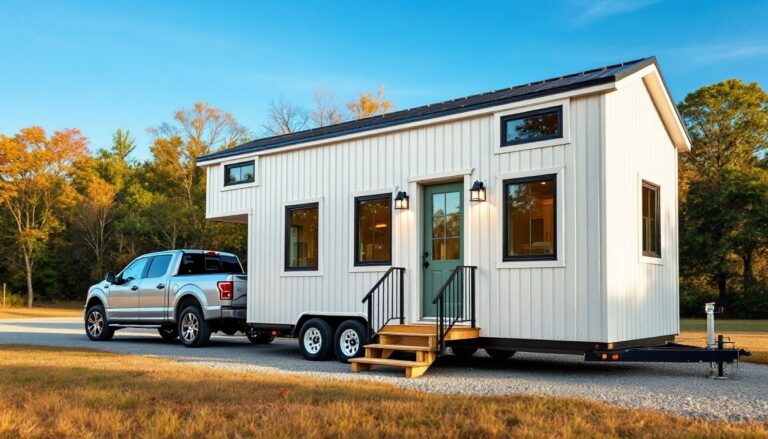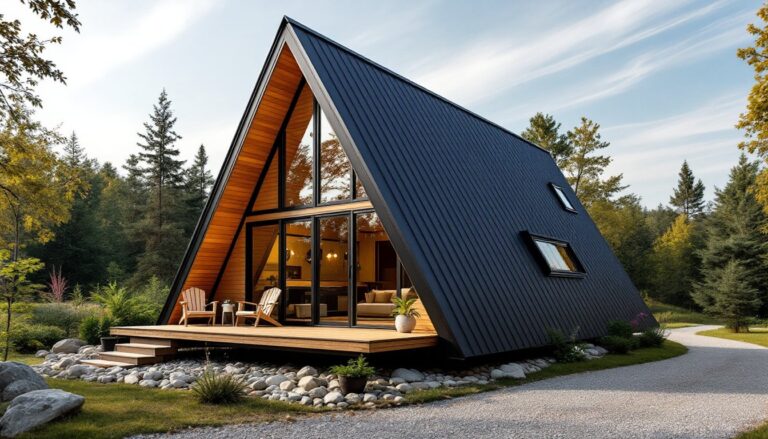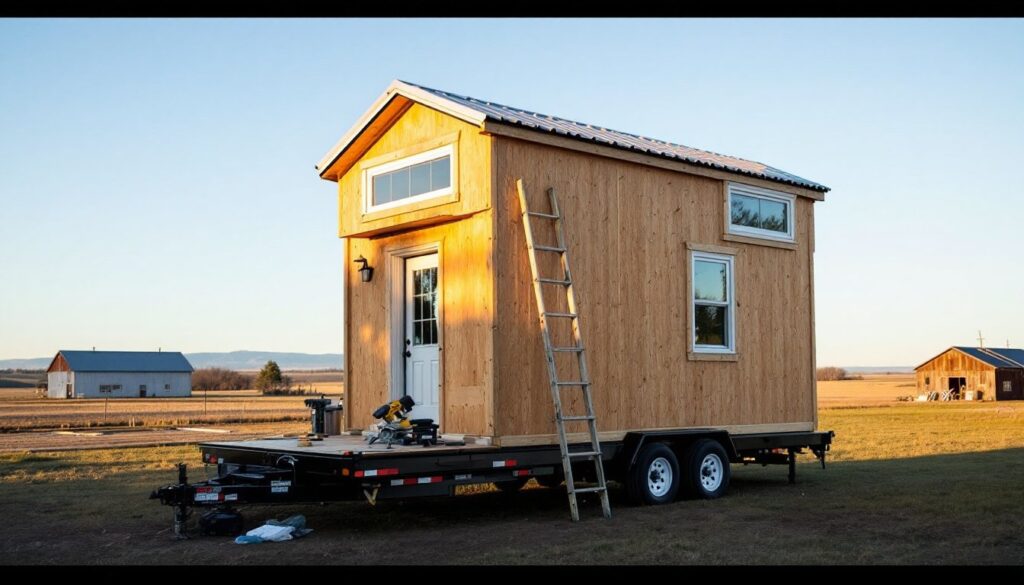

Building a tiny house for under $10,000 isn’t a fantasy, it’s a realistic goal if you’re willing to trade sweat equity for square footage. While the tiny house movement often showcases $50K custom builds with reclaimed barnwood and artisan fixtures, the truth is that thousands of people have built functional, comfortable homes for a fraction of that cost. The key lies in choosing the right approach, prioritizing essentials over aesthetics, and knowing where to cut costs without cutting corners. Whether you’re considering a DIY build from scratch, a budget kit, or a creative hybrid approach, hitting that $10K target requires strategic planning, resourcefulness, and a clear-eyed view of what’s truly necessary.
Table of Contents
ToggleKey Takeaways
- A tiny house under $10,000 is achievable by doing DIY work yourself, avoiding a permanent foundation with a trailer build, and eliminating contractor markup—reducing costs from $100–$200 per square foot to $30–$60.
- Material costs for a tiny house frame average $1,200–$1,800 in lumber, with total shell materials running $6K–$8K, leaving $2K–$4K for mechanical systems and interior work.
- DIY builds save the most money since labor typically accounts for 40–60% of construction costs; focus on framing, insulation, and paneling yourself while hiring professionals for electrical panels, gas lines, and structural welding.
- Prioritize essentials like solid structure, weather-tight roofing, proper insulation (R-13 walls, R-30 ceiling), and basic electrical over luxury finishes like custom cabinetry, granite, and high-end appliances.
- Real-world examples prove the $10K target works: homesteaders have successfully built functional tiny houses using salvaged materials, metal roofing, and simplified systems like composting toilets and basic solar setups.
Why a Tiny House Under $10,000 Is More Achievable Than You Think
The sticker shock of traditional housing makes a $10K tiny house sound impossible, but the math works when you strip away contractor markup, financing costs, and unnecessary square footage. Most conventional homes cost $100–$200 per square foot: a 120-square-foot tiny house at that rate would run $12K–$24K. But when the builder is you, material costs drop to roughly $30–$60 per square foot for basic construction.
Material prices have stabilized since the 2021–2022 lumber spike, making dimensional lumber affordable again. A typical tiny house frame requires about 1,500 board feet of lumber, roughly $1,200–$1,800 depending on your region. Add in sheathing, roofing, windows, and basic finishes, and you’re looking at $6K–$8K in core materials for a shell. That leaves $2K–$4K for mechanical systems, interior work, and contingencies.
The biggest cost advantage? No foundation. A tiny house on a trailer eliminates the $3K–$10K expense of a permanent foundation. You’re also avoiding permit fees in many jurisdictions (though this varies, more on that later). These savings alone can make the difference between a $10K build and a $20K one.
DIY Tiny House Builds: The Most Affordable Path to Your Dream Home
If you’re serious about staying under $10K, a DIY build is your best bet. Labor typically accounts for 40–60% of construction costs, so doing the work yourself is the single biggest cost cutter. You don’t need to be a master carpenter, but you should be comfortable with basic framing, using a circular saw or miter saw, and following plans.
Start with a Trailer Foundation
A used 16–20-foot flatbed trailer is your foundation. Expect to pay $1,500–$3,000 for a roadworthy trailer with a weight rating of at least 7,000 lbs. Inspect the axles, tires, and frame for rust or structural damage. Budget another $200–$400 to reinforce the trailer bed with steel cross-members if needed.
Framing and Sheathing
Use 2×4 studs (actual dimensions: 1.5″ × 3.5″) spaced 16 inches on center for walls. For the roof, 2×6 or 2×8 rafters provide adequate strength without overbuilding. Sheathe walls with 7/16″ OSB ($15–$20 per 4×8 sheet) and use Tyvek or similar house wrap ($50–$75 for a roll) as a moisture barrier.
Many DIYers source reclaimed or salvaged materials to stretch the budget. Habitat for Humanity ReStores, Craigslist, and Facebook Marketplace often have windows, doors, and siding at 50–75% off retail. Just confirm dimensions and condition before buying, a warped door isn’t a bargain.
Roofing
Metal roofing is lightweight, durable, and DIY-friendly. A corrugated steel roof costs about $1.50–$2.50 per square foot installed and lasts 30+ years. Asphalt shingles are cheaper upfront ($0.80–$1.20/sq ft) but add weight and require replacement every 15–20 years. For a tiny house, metal is the smarter long-term choice.
Insulation and Interior
Fiberglass batts (R-13 for walls, R-30 for ceiling) are the most budget-friendly insulation, running about $0.50–$0.70 per square foot. Builders focused on energy-efficient construction might opt for rigid foam, but it costs 2–3 times more, tough to justify on a $10K budget.
Interior walls can be 1/4″ plywood paneling ($25–$35 per sheet) or shiplap if you find it on sale. Skip drywall unless you have experience taping and mudding: it’s heavier, messier, and requires finishing skills.
Tools You’ll Need
Expect to invest $300–$600 in tools if you don’t already own them:
- Circular saw or miter saw
- Cordless drill/driver
- Framing square and tape measure
- Level (4-foot minimum)
- Nail gun (framing nailer speeds up work significantly)
- Safety gear: goggles, gloves, dust mask, ear protection
Borrowing or renting specialized tools (like a pneumatic nailer or table saw) keeps costs down.
Budget-Friendly Tiny House Kits and Pre-Built Options Under $10K
Kits offer a middle ground: less labor than full DIY, but still requiring assembly and finish work. True turn-key tiny houses under $10K are rare, but shell kits and prefab options exist.
Shell Kits
Several manufacturers sell bare-bones shell kits for $5K–$8K, including framing lumber, sheathing, roofing, windows, and doors pre-cut to specifications. You supply the trailer, insulation, and all interior finishes. This approach works if you’re confident in your skills but want to skip the design and cutting phases. Brands like Tumbleweed and Jamaica Cottage Shop offer plans and partial kits, though you’ll need to source some materials locally.
Prefab Sheds Converted to Tiny Houses
A 12×16 or 10×20 shed from a big-box retailer runs $3K–$6K delivered. These aren’t technically tiny houses, but with modifications, adding insulation, a loft, and upgrading windows, they become livable spaces. You’ll still need to handle electrical and plumbing rough-ins yourself or hire out those tasks (more on that below). This route appeals to builders who want four walls and a roof fast.
Used Tiny Houses
The used market occasionally offers tiny houses under $10K, especially older or incomplete builds. Inspect thoroughly: check the trailer frame for rust, test all systems, and look for water damage around windows and the roof. A fixer-upper tiny house can be a deal if the bones are solid, but factor in repair costs before committing.
Essential Cost-Cutting Strategies for Your Tiny House Project
Staying under $10K means making strategic sacrifices and hunting for deals.
Buy Materials in Bulk or Off-Season
Lumber yards often discount bulk purchases. If you can buy all your framing lumber at once, ask for a contractor rate, it never hurts. Late fall and winter are slower for construction, so suppliers may negotiate.
Reclaimed and Salvaged Materials
Windows, doors, siding, and fixtures from salvage yards can cut costs by 50–70%. A used exterior door in good shape might cost $50 vs. $200 new. Salvaged hardwood flooring beats luxury vinyl plank in both cost and character. Inspect for damage, warping, or missing hardware before buying.
Simplified Systems
Electrical and plumbing are where DIYers often hit a wall, literally. If you’re connecting to grid power, hire a licensed electrician for the service panel and final inspection (required by NEC code in most areas). You can rough in boxes and run wire yourself to save labor costs, but the panel hookup must be permitted and inspected.
For off-grid builds, a basic solar setup, two 100W panels, a charge controller, and a 12V battery bank, costs $400–$800. Pair it with LED lighting and a propane fridge to keep electrical loads low. Builders managing tiny house electrical systems often start small and expand capacity later.
Plumbing can be even simpler: a composting toilet ($50 DIY or $900+ for a Nature’s Head) eliminates the need for a black water tank and sewer hookup. A 12V RV-style water pump ($40–$80) and a basic PEX supply line keep fresh water flowing without a pressure tank.
DIY Where It Counts, Hire Where It Doesn’t
If your tiny house will be road-legal, the trailer must meet DOT standards and be properly registered. Pay a welder to reinforce the frame and install tie-downs rather than risk a structural failure at highway speed. Similarly, if your jurisdiction requires permits, don’t skip them, failed inspections cost more than doing it right the first time.
Projects like framing, insulation, interior paneling, and finish carpentry are perfect for DIY. Electrical panel hookups, gas line installation, and structural welding are not.
What to Include (and Skip) in a $10K Tiny House
Prioritization separates successful budget builds from abandoned projects.
Must-Haves:
- Solid structure: Properly framed walls, roof, and trailer. No shortcuts here.
- Weather-tight envelope: Quality roofing, house wrap, sealed windows and doors.
- Insulation: At minimum, R-13 walls and R-30 ceiling. Climate control in a tiny space depends on it.
- Basic electrical: Lights, outlets, and a panel that passes inspection (if required).
- Safe sleeping loft: Structurally sound, with a sturdy ladder or stairs.
Nice-to-Haves (Budget Permitting):
- Upgraded windows: Double-pane instead of single. The $200 upcharge pays off in comfort and energy savings.
- Propane or electric heat: A vented Mr. Heater Buddy ($100–$150) works short-term, but a permanent solution like a small vented propane heater is safer.
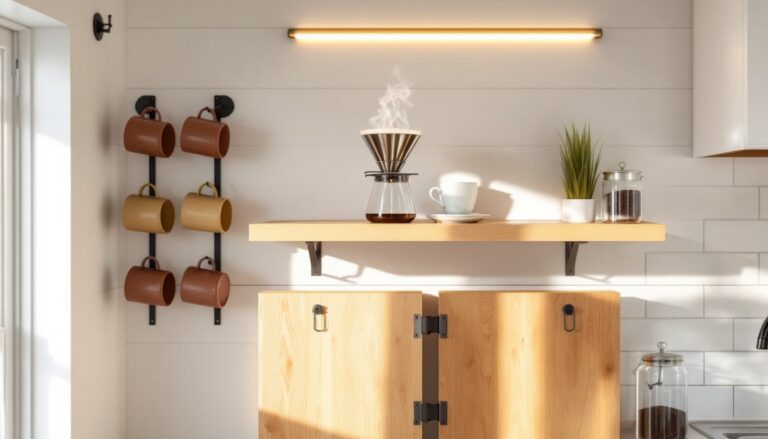
- Full kitchen setup: A two-burner cooktop, small sink, and under-counter fridge keep the build functional.
Skip or Defer:
- Custom cabinetry: Use open shelving or repurposed furniture instead of built-ins.
- Luxury finishes: Granite, tile backsplashes, and hardwood can wait. Focus on durability and function.
- Full bathroom: A wet bath (combined shower/toilet area) saves space and cost. Many budget builders use a shower pan and curtain instead of a tiled enclosure.
- High-end appliances: A dorm fridge and hot plate beat a $1,200 range and fridge combo.
If you plan to add pet-friendly features or make the space wheelchair accessible, design for those needs from the start, retrofitting costs more.
Real Examples: Tiny Houses Successfully Built for Under $10,000
Real-world builds prove the $10K target is achievable, not theoretical.
The $8,000 Homesteader
A builder in rural Oregon constructed a 14×20-foot cabin on a flatbed trailer for $7,800. He sourced a used trailer for $1,200, milled his own lumber from property trees (saving $2K), and used metal roofing from a barn demolition. Interior finishes were reclaimed pine, and he installed a wood stove for heat. Total build time: 6 months working weekends. No permits required in his county for structures under 200 sq ft on wheels.
The $9,500 Converted Shed
A couple in Tennessee bought a 12×24 shed shell for $4,200, added a trailer base ($2,000), insulated with fiberglass batts ($300), and finished the interior with plywood paneling and vinyl plank flooring ($1,200). They installed a DIY solar setup ($600) and composting toilet ($100). Remaining budget covered a small propane heater, kitchen sink, and two-burner cooktop. Livable in 3 months.
The $10K Off-Grid Camper
An Arizona builder turned an 18-foot flatbed into a minimalist tiny house for $9,850. He used SIPs (structural insulated panels) for walls to speed construction, kept the interior open-plan with a sleeping loft, and relied entirely on solar power. Water came from a 50-gallon tank refilled weekly. The build prioritized ventilation and shade (critical in desert climates) over insulation thickness. Featured on several tiny house blogs, including Apartment Therapy, it’s proof that $10K builds can still look sharp.
Many successful builders also credit resources like Ana White’s plans for furniture and built-in designs that keep costs low without sacrificing function. They also research tiny house parking regulations early, zoning surprises can derail a budget fast.
Conclusion
A tiny house under $10,000 isn’t a compromise, it’s a clear-eyed commitment to simplicity, resourcefulness, and self-reliance. Whether you frame it yourself, assemble a kit, or convert a shed, the key is knowing where to invest and where to improvise. Expect to get your hands dirty, hunt for deals, and make decisions that prioritize function over flash. But at the end, you’ll own a home outright for the cost of a used car.