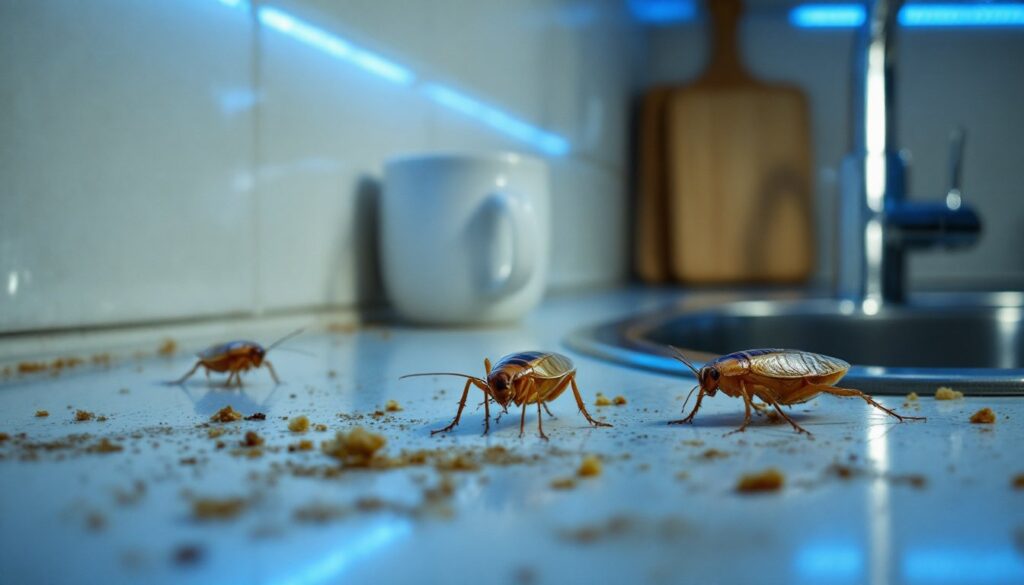

Spotting tiny roaches scurrying across your kitchen counter at 2 a.m. isn’t just unsettling, it’s a sign you’re likely dealing with German cockroaches, the most common indoor roach species in the U.S. These pests reproduce fast, hide in the tightest cracks, and won’t leave on their own. Unlike their larger cousins, German roaches are about ½ inch long, light brown with two dark stripes behind their heads, and prefer warm, humid spaces near food and water. If you’ve seen one, there are probably dozens more behind your walls. The good news? With the right approach, homeowners can eliminate small infestations without calling in pros, but you’ll need to act quickly and methodically.
Table of Contents
ToggleKey Takeaways
- Tiny roaches in your house are almost certainly German cockroaches, which reproduce rapidly and can grow from a few individuals to hundreds in weeks if left untreated.
- German cockroaches are attracted to food, water, and warm spaces, so eliminating infestations requires a three-step approach: deep cleaning and sanitation, sealing entry points, and applying targeted treatments like gel bait.
- Gel bait is the most effective DIY treatment for tiny roaches, as slow-acting insecticides are carried back to harborage areas where they poison the entire colony.
- Consistently monitor and reapply treatments for 6–8 weeks to break the roach reproductive cycle, as eggs protected inside the ootheca won’t be affected by most initial treatments.
- If you’re still seeing tiny roaches after 6–8 weeks of treatment or catching dozens per trap, it’s time to call a licensed professional exterminator, especially in multi-unit buildings where roaches migrate between units.
- Daily habits like wiping counters, washing dishes immediately, and not leaving pet food out overnight are essential for preventing tiny roaches from returning after elimination.
What Are Those Tiny Roaches in Your Home?
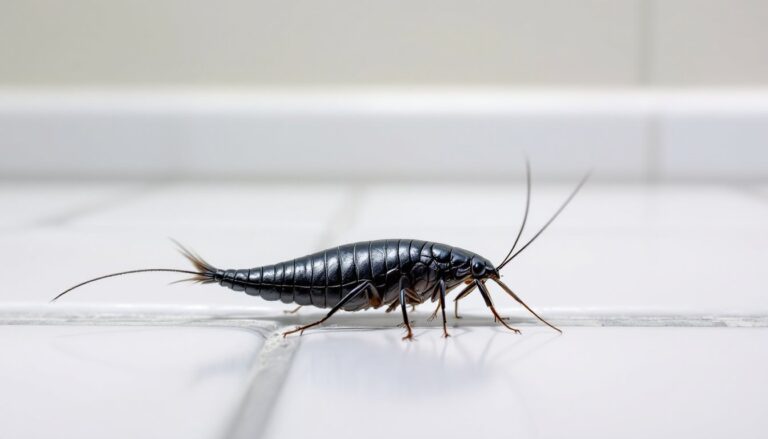
The tiny roaches you’re seeing are almost certainly German cockroaches (Blattella germanica). Adults measure ½ to ⅝ inch long, making them much smaller than the American or Oriental roaches you might find in basements or crawlspaces. They’re tan to light brown with two parallel dark stripes running down their backs, just behind the head.
German roaches don’t fly well even though having wings. Instead, they’re fast runners and expert hiders, squeezing into cracks as thin as 1/16 inch, about the thickness of a dime. Nymphs (juveniles) are even smaller, darker, and lack wings entirely, but they have a distinctive lighter stripe down their backs.
You’ll rarely see German roaches during the day unless the infestation is severe. They’re nocturnal and prefer to stay hidden in warm, moist areas close to food sources: behind refrigerators, inside cabinets near sinks, under dishwashers, or in the motor housings of appliances. If you flip on the kitchen light at night and see them scatter, that’s a telltale sign.
Unlike outdoor roach species that wander in occasionally, German roaches live their entire lifecycle indoors. A single female carries an egg case (ootheca) containing 30–40 eggs and can produce four to six cases in her lifetime. That’s why a few roaches can become hundreds in a matter of weeks if left unchecked.
Why Tiny Roaches Are Invading Your House
German roaches don’t just show up randomly, they hitchhike. The most common entry points include:
- Grocery bags and cardboard boxes: Roaches hide in corrugated packaging, especially from warehouses or storage areas.
- Used appliances or furniture: Always inspect secondhand items, particularly anything with a motor or enclosed space.
- Shared walls in apartments or condos: Once roaches establish in one unit, they migrate through plumbing chases, electrical conduit, and gaps around baseboards.
- Deliveries and luggage: If you’ve recently traveled or received packages, eggs or nymphs can tag along.
Once inside, they’re drawn to three things: food, water, and warmth. Even the smallest crumbs, grease residue on stovetops, or pet food left out overnight will sustain a colony. Leaky faucets, condensation under sinks, and pet water bowls provide hydration. German roaches thrive in temperatures between 70–75°F, which is why kitchens and bathrooms are prime real estate.
Certain conditions make an infestation more likely:
- Clutter: Stacks of paper, cardboard, or storage bins give roaches more hiding spots.
- Poor sanitation: Dirty dishes, unsealed trash, and food spills create an all-you-can-eat buffet.
- Gaps and cracks: Worn weatherstripping, gaps around pipes, and loose backsplash tiles offer easy access to wall voids.
If you live in a multi-unit building, your efforts alone might not be enough. Roaches can move between units through shared infrastructure, so coordinated treatment across the building is often necessary.
How to Get Rid of Tiny Roaches: DIY Solutions That Work
Eliminating German roaches requires a multi-pronged approach: sanitation, exclusion, and targeted treatment. Skipping any one of these steps will reduce your success rate.
Step 1: Deep Clean and Remove Food Sources
Start by cutting off their food and water supply. This isn’t optional, bait and traps won’t work if roaches have easier meals available.
- Wipe down all surfaces with a degreaser, especially stovetops, counters, and backsplash areas. Grease splatters are roach magnets.
- Vacuum thoroughly, including under appliances, inside cabinets, and along baseboards. Empty the vacuum bag or canister into a sealed trash bag immediately.
- Seal all food in airtight containers, not just pantry staples but also pet food, bread, and fruit.
- Fix leaks under sinks, around toilets, and behind dishwashers. Dry out any standing water.
- Take out trash daily and use bins with tight-fitting lids.
Step 2: Seal Entry Points
Inspect your home for gaps and cracks. Use:
- Caulk (silicone or acrylic latex) for gaps around baseboards, countertops, and backsplash edges.
- Steel wool and expanding foam for holes around plumbing pipes under sinks.
- Weatherstripping on doors and windows if gaps are present.
Pay special attention to areas where utilities enter the home, these are common highways for roaches moving between units in multi-family buildings.
Natural and Chemical Treatment Options
Gel Bait is the most effective DIY treatment. Products like Advion Cockroach Gel Bait or Combat Max contain slow-acting insecticides that roaches carry back to their harborage areas, poisoning the colony.
- Apply pea-sized dots in cracks, behind appliances, under sinks, and inside cabinets (not on surfaces where food is prepared).
- Reapply every 2–3 weeks or when bait is consumed.
- Wear gloves and keep bait away from children and pets.
Boric Acid Powder works as a desiccant and stomach poison. Dust a thin layer (you should barely see it) in wall voids, behind outlet covers, and under appliances. Roaches pick it up on their legs and ingest it while grooming. Avoid thick piles, roaches will just walk around them.
Diatomaceous Earth (DE) is a non-toxic alternative. Use food-grade DE and apply it similarly to boric acid. Wear a dust mask, DE is safe but can irritate lungs if inhaled in large amounts.
Sticky Traps won’t eliminate an infestation but help monitor activity. Place them under sinks, behind toilets, and near appliances. If you’re catching dozens of roaches per trap, your infestation is significant.
IGR (Insect Growth Regulator) products like Gentrol Point Source disrupt roach reproduction. Use these alongside bait for long-term control. They won’t kill adults but prevent nymphs from reaching maturity.
Avoid foggers and sprays. They scatter roaches deeper into walls and rarely reach harborage areas. Roaches also develop resistance to pyrethroids (the active ingredient in most retail sprays) quickly.
Step 3: Monitor and Repeat
German roach eggs are protected inside the ootheca and won’t be affected by most treatments. Expect to see nymphs hatching 2–4 weeks after initial treatment. Continue baiting and monitoring for at least 6–8 weeks to break the lifecycle.
Keep a flashlight handy for nighttime inspections. If you’re still seeing roaches after 4–6 weeks of consistent treatment, it’s time to escalate.
Preventing Tiny Roaches from Returning
Once you’ve cleared an infestation, maintaining a roach-free home requires ongoing habits, not one-time fixes.
Daily Habits:
- Wipe down counters and stovetops after cooking.
- Wash dishes immediately or load them into the dishwasher.
- Sweep or vacuum food debris from floors, especially under tables and appliances.
- Don’t leave pet food out overnight.
Weekly Maintenance:
- Empty trash cans and wipe down the interior if sticky.
- Check under sinks for leaks or condensation.
- Vacuum behind and under appliances using a crevice tool.
Monthly Tasks:
- Inspect and refresh bait stations if you’re using them as a preventive measure.
- Check weatherstripping and caulk for gaps.
- Declutter storage areas, cardboard boxes are roach hotels.
When Moving or Buying Used Items:
- Inspect all secondhand furniture, especially upholstered items and anything with motors (microwaves, toasters, coffee makers).
- Break down and discard cardboard immediately after unpacking.
- If you’re moving into a new place, ask about the pest control history.
Consider integrated pest management strategies that combine sanitation, exclusion, and monitoring. If you live in an apartment, work with your landlord or property manager to ensure neighboring units are treated simultaneously, roaches don’t respect unit boundaries.
Routine vigilance is easier than fighting a full-blown infestation. A few minutes of prevention daily beats weeks of treatment later.
When to Call a Professional Exterminator
DIY methods work well for small, localized infestations caught early. But some situations require a licensed pest control operator:
- You’re still seeing roaches after 6–8 weeks of consistent baiting and sanitation.
- You’re catching dozens of roaches per trap or seeing them during the day, which indicates a large population.
- You live in a multi-unit building and neighbors aren’t cooperating with treatment. Professional services can coordinate building-wide programs.
- You have young children, pets, or health concerns that make pesticide application risky without proper training.
- Roaches are spreading into bedrooms or living areas, not just the kitchen or bathroom.
Professional exterminators have access to stronger formulations and can apply treatments in wall voids, electrical panels, and other areas homeowners shouldn’t access. They’ll also use a combination of baits, dusts, and IGRs tailored to the severity of the infestation.
Expect 2–3 treatments spaced 2–3 weeks apart. Costs vary widely depending on region and severity but typically range from $100–$300 per visit for single-family homes. Multi-unit buildings may require flat-rate contracts.
When hiring, look for companies that:
- Are licensed and insured in your state.
- Use Integrated Pest Management (IPM) principles, not just spray-and-pray methods.
- Provide a written treatment plan and warranty.
- Offer follow-up inspections.
Ask about their approach to German roaches specifically, methods effective against outdoor species won’t work here. Professionals familiar with proven roach elimination techniques will emphasize baiting over sprays.
Don’t delay calling a pro if you’re overwhelmed. German roaches reproduce too quickly to wait and hope the problem resolves on its own. A professional treatment now can save you months of frustration and prevent structural damage from roach waste buildup.
Conclusion
Tiny roaches aren’t just a nuisance, they’re a warning sign that conditions in your home are ideal for a fast-breeding pest. German cockroaches won’t leave without intervention, but homeowners who combine sanitation, exclusion, and targeted baiting can eliminate small infestations in 6–8 weeks. The key is consistency: daily cleaning, weekly monitoring, and reapplication of bait until you’ve broken the reproductive cycle. If DIY efforts stall or you’re dealing with a multi-unit building, don’t hesitate to bring in a licensed exterminator. The sooner you act, the easier, and cheaper, the solution becomes.