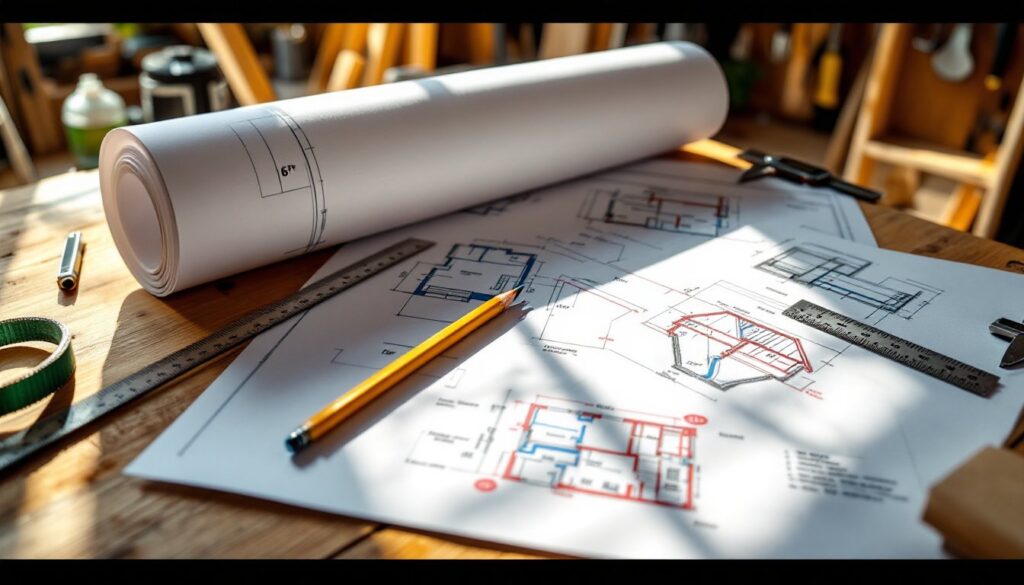

Building a tiny home isn’t the same as shrinking a regular house, it’s a specialized design challenge that requires careful planning from the ground up. The right tiny home plan makes the difference between a cramped box and a livable, code-compliant dwelling. Whether someone’s downsizing, adding a backyard studio, or going off-grid, they’ll need a solid set of plans that address structural loads, loft headroom, plumbing runs, and electrical rough-in. Winging it leads to expensive mistakes, permit headaches, and spaces that don’t actually work for daily living. This guide covers what to look for, where to find quality plans, and how to avoid common pitfalls.
Table of Contents
ToggleKey Takeaways
- Proper tiny home plans are essential for meeting building codes, securing permits, and avoiding expensive structural mistakes that DIY approaches often create.
- Quality tiny home plans specify critical details like joist spans, loft headroom, stair angles, and load ratings that differ significantly from standard residential framing.
- Professional architectural designs ($500–$2,500) include stamped engineering and permit-ready documentation, while DIY plans are best suited for experienced builders who can add structural details themselves.
- Effective tiny home plans prioritize vertical space utilization with lofts offering at least 3–4 feet of headroom and space-saving alternating-tread stairs that reduce footprint by 30–40%.
- Customizing existing tiny home plans requires careful structural consideration—simple modifications like window placement are safe, but load-bearing wall changes need professional engineering review ($500–$1,500).
- Before purchasing tiny home plans, verify local zoning regulations vary dramatically by location, and confirm the plan set includes floor plans, electrical schematics, materials lists, and foundation specifications.
Why Tiny Home Plans Are Essential for Your Build
Tiny home construction demands precision that typical residential framing doesn’t. Every inch counts, and builders can’t afford to guess at joist spans, stair angles, or loft load ratings. A proper plan specifies these details, ensuring the structure meets International Residential Code (IRC) Appendix Q standards for tiny houses (if applicable in the jurisdiction).
Plans also streamline the permit process. Most building departments require stamped drawings from a licensed engineer or architect before issuing permits. Even in areas where tiny homes occupy a gray zone legally, having professional plans demonstrates that the build meets safety standards for electrical, plumbing, and structural systems.
Without plans, material estimates become guesswork. Builders end up over-ordering (wasting money) or under-ordering (causing delays). A dimensioned cut list and materials schedule, standard in quality tiny home plans, eliminate this problem. The upfront cost of plans (typically $200–$1,500) saves thousands in trial-and-error building.
Good plans also account for trailer specifications if the tiny home will be mobile. Wheel placement, tongue weight, and axle capacity directly affect how the structure must be framed. Building on a trailer without a plan that addresses these factors can create an unsafe, unroadworthy unit.
Types of Tiny Home Plans to Consider
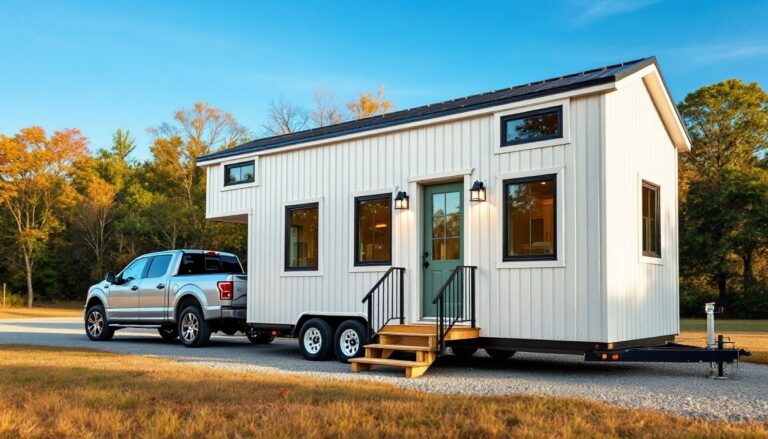
Tiny home plans fall into several categories based on foundation type, size, and design complexity. Trailer-based plans (typically 8.5′ x 20’–28′) are most common, designed to stay under DOT width limits and 13.5′ height restrictions. These plans must address dynamic loads from road travel, a very different structural challenge than a static foundation.
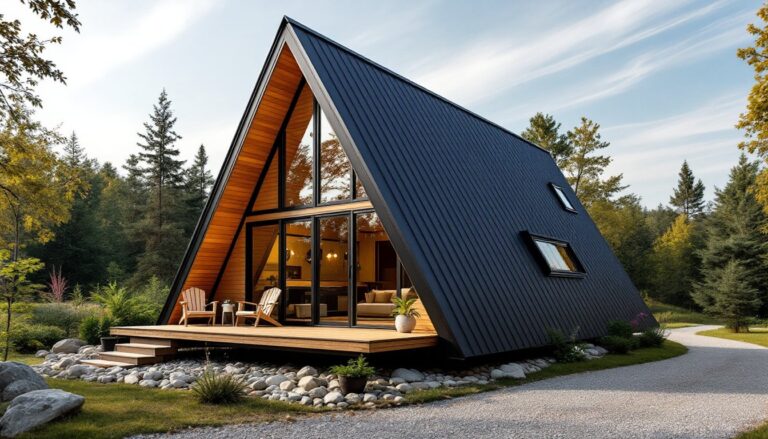
Foundation-based tiny homes (120–400 sq ft) sit on concrete slabs, piers, or crawl spaces. These plans often allow more design freedom since they’re not constrained by trailer dimensions. But, they’re subject to standard residential building codes and setback requirements in most jurisdictions.
Shell plans provide the structural framework, roof system, and exterior envelope but leave interior layout flexible. This approach works well for builders who want to customize cabinetry and fixtures while ensuring the bones of the house are sound. Full plans detail everything down to electrical outlet placement and trim work, which can be overkill for experienced DIYers but helpful for first-time builders.
Expandable or modular plans include fold-out sections or bump-outs that increase livable space. These designs require additional engineering for hinges, support mechanisms, and weatherproofing at moving joints, something many suburban tiny homes incorporate to maximize square footage within local zoning restrictions.
DIY Tiny Home Plans vs. Professional Designs
DIY plans, often free or low-cost from online sources like Ana White’s woodworking plans, provide a basic framework but rarely include engineered drawings or code compliance documentation. They’re best for experienced builders who can fill in the structural details themselves. These plans typically show general dimensions and framing layouts but skip load calculations and specific hardware specifications.
Professional designs from architects or tiny home plan services include stamped engineering, materials lists, and code references. They cost more ($500–$2,500) but provide permit-ready documents and technical support. For builders tackling their first tiny home or working in jurisdictions with strict code enforcement, professional plans are worth the investment. They also address less obvious details like vapor barriers, flashing sequences, and hurricane tie placement that DIY plans often overlook.
Key Features to Include in Your Tiny Home Plan
Effective tiny home plans prioritize vertical space utilization. Look for lofts with at least 3′ of headroom (4′ is more comfortable) and stairs or ladders that don’t devour floor space. Alternating-tread stairs (also called ship’s ladders) save 30–40% of the footprint compared to standard stairs while meeting code as a primary means of egress in many jurisdictions.
Multi-function areas are critical. Plans should show how dining tables convert to workspaces, murphy beds fold away, or storage benches double as seating. These aren’t decorative flourishes, they’re structural elements that need proper support and clearances documented in the plans.
Plumbing and electrical runs require careful planning in tight quarters. Plans should route PEX supply lines and drain stacks through walls and floors without creating conflicts with framing members. Electrical plans must meet National Electrical Code (NEC) requirements for outlet spacing, GFCI protection in wet areas, and wire gauge for the anticipated load. A 50-amp RV-style service is common for mobile tiny homes, while foundation builds typically use standard 100–200 amp residential service.
Insulation specifications matter more in tiny homes than in traditional houses. Small spaces heat up and cool down quickly, and condensation problems develop fast without proper ventilation. Plans should specify insulation R-values for walls, floor, and ceiling, plus ventilation fans (sized in CFM) for bathrooms and kitchens. Spray foam is popular in wheelchair accessible tiny house designs because it seals irregular framing and adds structural rigidity.
Window placement affects both livability and code compliance. IRC requires egress windows in sleeping areas, minimum 5.7 sq ft of openable area, at least 24″ high and 20″ wide, with a sill no more than 44″ above the floor. Plans should clearly mark which windows meet egress requirements.
Where to Find Quality Tiny Home Plans
Several online marketplaces specialize in tiny home plans. Sites like The Tiny House Plan and Tiny House Design offer collections ranging from basic layouts to complex, fully detailed builds. Prices typically run $300–$1,200 for complete plan sets with multiple views and specifications.
Architectural plan services like 84 Lumber and HomeAdvisor also carry tiny home designs, often with customization services available. These plans usually include engineering stamps for an additional fee, which is necessary in most jurisdictions to obtain permits.
For builders seeking free or low-cost options, design sites like The Handyman’s Daughter occasionally feature tiny home projects with basic plans. But, free plans rarely include the engineering details needed for permits, they’re better suited as inspiration or starting points for experienced builders who can add the structural specifications themselves.
State and local tiny home associations sometimes maintain directories of plan providers familiar with regional building codes. This can be valuable since code interpretations vary widely. What passes inspection in one county might get red-tagged in the next.
Buyers should verify what’s included before purchasing: How many pages? Are foundation plans included? Is there an electrical schematic? A materials list? 3D renderings? Some sellers provide only basic floor plans and elevations, while others deliver construction-grade document sets.
Many pet friendly tiny house plans incorporate features like built-in feeding stations and ventilated storage for litter boxes, specialized designs worth seeking out from providers who understand those requirements.
How to Customize Existing Tiny Home Plans
Most stock tiny home plans accommodate some customization without requiring a complete redesign. Simple modifications, moving a window, swapping a sliding door for a hinged one, or changing interior finishes, usually don’t affect structural integrity and can be noted on the plans with red-line markups.
More significant changes require careful consideration. Relocating load-bearing walls or altering roof pitch affects the entire structural system. These modifications need recalculated load paths and potentially new engineering stamps. Hiring a structural engineer to review modifications typically costs $500–$1,500 but ensures the changes don’t compromise safety.
Trailer-based plans have less flexibility than foundation builds. The trailer deck imposes fixed dimensions, and weight distribution can’t be ignored. Adding a heavy stone countertop or cast-iron tub might require axle upgrades or tongue weight adjustments, changes that affect the trailer specification and potentially the towing vehicle requirements.
For interior layout changes, builders can often work within the existing structural shell. Swapping a full kitchen for a kitchenette, converting a loft to storage, or adding a tiny home ladder instead of stairs are modifications that don’t usually require engineering changes, though they might need updated electrical and plumbing plans.
Customizing materials can affect performance and code compliance. Switching from OSB sheathing to plywood changes racking strength. Changing fiberglass batts to mineral wool alters fire ratings. Document all substitutions and verify they meet or exceed the original specs, building inspectors will check.
Small-space design sites like Apartment Therapy showcase creative tiny home modifications, but remember that what looks good in photos must also pass inspection and function long-term. Always prioritize structural soundness over aesthetics when customizing plans.
Common Mistakes to Avoid When Choosing Tiny Home Plans
The biggest mistake is choosing plans without verifying they’re code-compliant for the intended location. Tiny home regulations vary dramatically by state, county, and municipality. Some areas treat them as RVs, others as accessory dwelling units (ADUs), and some prohibit them entirely. Plans designed for Oregon might not work in Texas. Check local zoning and building codes before buying plans.
Many first-time builders underestimate the importance of proper headroom in lofts. Plans showing 2’6″ of clearance might look acceptable on paper, but living with it daily is miserable. Sleeping lofts need at least 3′ minimum: 3’6″ to 4′ is much more practical, especially if anyone will be sitting up in bed or changing clothes.
Ignoring landing space requirements at the top and bottom of stairs or ladders creates safety hazards and code violations. IRC requires a 36″ x 36″ landing at both ends of a staircase. Alternative designs like ship’s ladders have different requirements, but they still need documented clearances.
Underspecified moisture management causes problems in tiny homes faster than in traditional houses. Plans should detail vapor barriers, rainscreen gaps behind siding, and ventilation strategies. Skipping these leads to mold, rot, and failed finishes within a few years. This is especially critical in reclaimed wood tiny home builds where the wood might already have varied moisture content.
Buyers sometimes select plans based purely on exterior appearance without studying the floor plan’s functionality. A layout that looks charming might have a toilet bumping into a door swing, a kitchen with no counter space beside the stove, or a bathroom that requires stepping over the toilet to reach the shower. Walk through the plan mentally, measuring actual clearances.
Finally, don’t overlook plans for tiny home for veterans or other specialized occupants that may require accessibility features, medical equipment storage, or other accommodations. Standard plans won’t include these details, and retrofitting them later is expensive and sometimes impossible given space constraints.
Quality tiny home plans are an investment in the project’s success. They eliminate guesswork, streamline permitting, and provide a roadmap from trailer bed to finished home. Taking time to select plans that fit the builder’s skill level, budget, and local requirements prevents costly mistakes and creates a tiny home that’s safe, legal, and truly livable. Skipping this step or choosing inadequate plans almost always costs more in the long run than paying for proper documentation upfront.