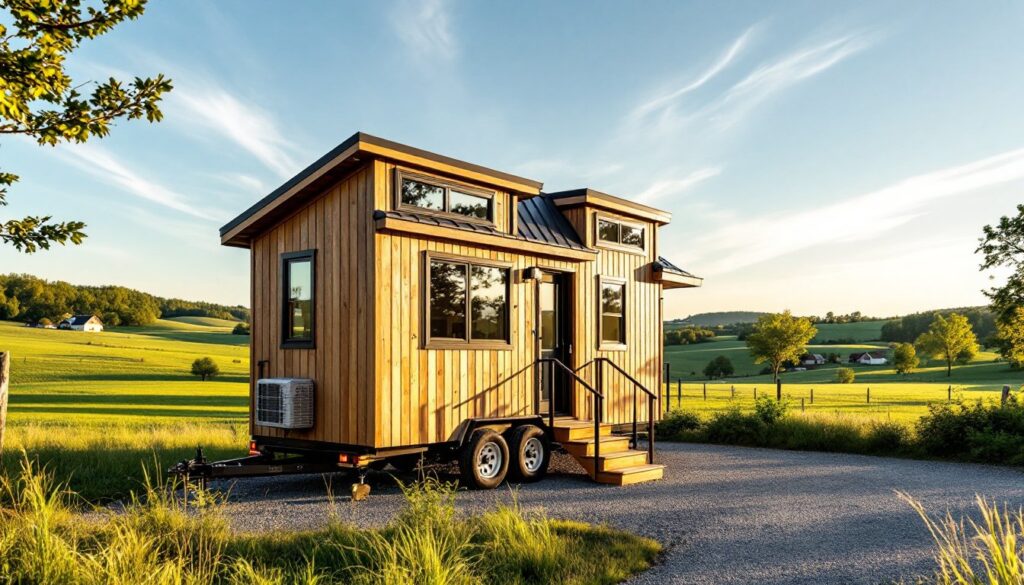

New Jersey’s housing crunch has people rethinking what “home” really means. With median home prices pushing $500,000 in many counties and property taxes among the nation’s highest, tiny homes offer a practical alternative for those willing to downsize. But before you tow a 200-square-foot house onto your cousin’s backyard lot, understand this: New Jersey’s zoning laws weren’t written with tiny homes in mind. This guide walks through the legal landscape, cost realities, and practical considerations for anyone serious about tiny living in the Garden State.
Table of Contents
ToggleKey Takeaways
- Tiny homes in NJ offer an affordable alternative to expensive traditional housing, costing $35,000–$120,000 versus median home prices near $500,000, though financing and zoning remain significant barriers.
- New Jersey’s zoning laws vary by municipality with no statewide tiny homes framework, meaning most towns classify tiny homes as accessory dwelling units with strict restrictions rather than primary residences.
- Rural areas like Sussex and Warren Counties offer the most welcoming conditions for tiny home placement, while urban centers like Newark and Jersey City enforce strict residential codes that make tiny living nearly impossible.
- Building a DIY tiny home costs $25,000–$60,000 including materials, but proper permitting, utilities, and inspections add $2,000–$5,000 and 4–12 weeks to the timeline.
- New Jersey’s humid summers and cold winters require advanced insulation (R-21 walls, R-38 roof), mini-split heat pumps, double-pane windows, and moisture control systems to prevent energy waste and mold.
- Long-term tiny home ownership in NJ typically means committing to the property for the long haul, as resale value is uncertain in New Jersey’s traditional housing market compared to more established tiny home regions.
What Are Tiny Homes and Why Are They Growing in Popularity in NJ?
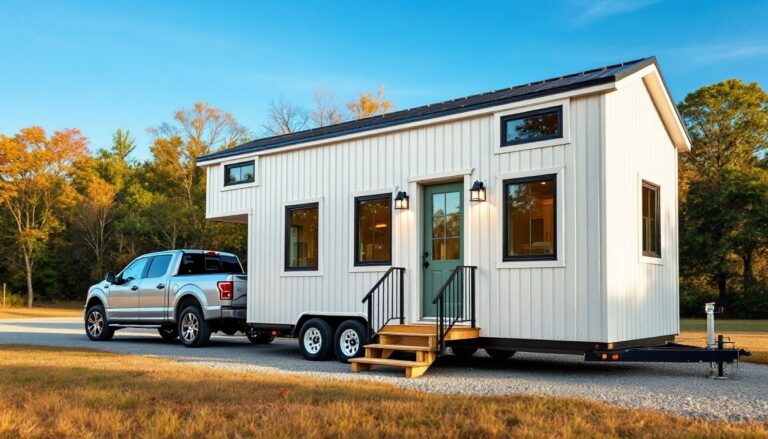
A tiny home typically ranges from 100 to 400 square feet, built either on a permanent foundation or mounted on a trailer chassis. They’re not RVs or mobile homes in the traditional sense, most feature residential-grade construction with standard building materials like 2×4 framing, fiberglass insulation, and composition shingle roofing.
New Jersey residents are drawn to tiny homes for three main reasons: affordability, flexibility, and lower carrying costs. Property taxes in NJ average $9,500 annually, often more than a year’s worth of tiny home payments. A tiny home on leased land or family property sidesteps some of that burden, though tax implications depend heavily on whether it’s classified as real property or personal property.
The environmental angle appeals to some, but most buyers are motivated by economics. A $60,000 tiny home with minimal land costs beats a $450,000 starter home with a 30-year mortgage. That said, financing is tricky, most conventional lenders won’t touch a structure under 600 square feet, pushing buyers toward personal loans, RV loans, or cash purchases.
The COVID-19 pandemic accelerated interest as remote work normalized. Without a daily commute tethering them to urban centers, more people are exploring unconventional housing. But popularity doesn’t equal legality, which is where New Jersey’s regulatory maze comes in.
New Jersey Zoning Laws and Regulations for Tiny Homes
Here’s the blunt truth: New Jersey has no statewide framework for tiny homes. Zoning authority rests with municipalities, and most local codes don’t recognize dwellings under 400–600 square feet as legal primary residences. The state’s Residential Site Improvement Standards (RSIS) set baseline requirements for utilities, setbacks, and lot coverage, but individual towns layer on their own rules.
Most municipalities enforce minimum habitable space requirements, typically 400 to 1,000 square feet for single-family homes. If your tiny home doesn’t meet that threshold, it may only qualify as an accessory dwelling unit (ADU), which comes with restrictions: the property must have a primary residence, the ADU can’t be sold separately, and occupancy rules vary.
Tiny homes on wheels (THOWs) face additional hurdles. Many towns classify them as recreational vehicles, which are prohibited as permanent dwellings in residential zones. Parking an RV on your property for more than 30–90 days typically violates local ordinances, even if it’s fully outfitted as living space.
Building codes matter too. The International Residential Code (IRC) Appendix Q covers tiny houses, but New Jersey hasn’t universally adopted it. Expect requirements for egress windows, minimum ceiling heights (6’8″ in habitable spaces, 6’4″ in bathrooms), and loft ladder specifications if you’re building a second level. Some jurisdictions demand full ICC certification or third-party inspection.
Where You Can Legally Place a Tiny Home in New Jersey
Your options break down into four categories:
Private land with municipal approval. If you own property or have permission from a landowner, check the zoning designation. Agricultural zones (A-1, A-2) sometimes allow secondary structures with fewer restrictions. Obtain a zoning permit and construction permit before breaking ground or parking a THOW.
Tiny home communities. A handful of planned communities and RV parks in NJ allow long-term tiny home placement. These are mostly in rural areas like Sussex and Warren counties. Rules vary, some require homes to be permanently affixed to foundations, others allow THOWs. Suburban tiny homes are gaining traction in areas where zoning allows mixed-use development.
Accessory Dwelling Units (ADUs). Recent legislative pushes have made ADUs easier to approve in some towns, especially near transit hubs. Your tiny home must comply with setback rules (typically 10 feet from side/rear property lines), lot coverage limits, and height restrictions. Water, sewer, and electric must meet code.
Campgrounds and RV parks. If your tiny home qualifies as an RV (self-contained water, waste, and electric), you can park it in licensed campgrounds. This is a gray area, check local health department regulations on long-term occupancy. Some parks restrict stays to 180 days per year to avoid triggering residential zoning issues.
Best Locations and Communities for Tiny Homes in New Jersey
New Jersey doesn’t have the established tiny home infrastructure you’d find in Oregon or Texas, but a few pockets are more welcoming.
Sussex and Warren Counties in the northwest offer rural zoning and lower land costs. Properties with existing septic and well systems can sometimes accommodate a tiny home as a secondary dwelling. Expect more flexibility in townships like Montague, Sandyston, and Hardwick.
Cape May County has seen interest from seasonal tiny home dwellers. Some RV resorts near the shore allow year-round occupancy for owner-occupied units. Pet-friendly tiny house designs are popular here for vacationers who want to bring dogs along.
Burlington and Ocean Counties have pockets of Pine Barrens land where creative zoning solutions pop up. Some tiny homeowners lease land from family or buy inexpensive wooded lots. Be cautious, Pinelands Commission regulations add another layer of approval for construction in designated preservation areas.
For those seeking community, groups like the New Jersey Tiny Home Association (informal network, not an official HOA) connect builders and owners. Online forums mention a few off-grid setups in the Highlands region, though legality is questionable without proper permits.
Urban tiny living is nearly impossible. Newark, Jersey City, and Hoboken enforce strict residential codes with no carve-outs for micro-housing. Some creative residents have converted wheelchair accessible tiny house designs into legal ADUs in suburban towns like Montclair or Princeton, but approvals are case-by-case.
Cost Breakdown: Building vs. Buying a Tiny Home in NJ
Buying a pre-built tiny home from a manufacturer runs $50,000 to $120,000 depending on size and finishes. Basic shell models with minimal interior work start around $35,000, but you’ll add $10,000–$20,000 for appliances, fixtures, and delivery. Companies like Tumbleweed and Tiny Heirloom ship to New Jersey, though transportation costs from out-of-state add $3,000–$7,000.
Local builders exist but are scarce. Expect to pay a premium, $150–$200 per square foot, for custom work. A 250-square-foot tiny home with mid-grade finishes runs $37,500–$50,000 in materials and labor. Reclaimed wood tiny home construction can lower material costs if you source barnwood locally, though milling and treatment add labor hours.
DIY builds cost $25,000–$60,000 if you’re doing the work yourself. Budget:
- Trailer chassis (if THOW): $4,500–$7,000 for a dual-axle rated for 10,000+ lbs
- Framing lumber (2×4 studs, joists, rafters): $3,000–$5,000
- Exterior sheathing and siding: $2,500–$4,000 (T1-11, metal, or cedar)
- Roofing (metal or shingles): $1,200–$2,500
- Windows and doors: $1,500–$3,000
- Insulation (spray foam or rigid foam): $1,000–$2,500
- Electrical and plumbing rough-in: $2,000–$4,000
- Interior finishes, cabinets, fixtures: $5,000–$12,000
- Appliances (mini-split HVAC, tankless water heater, induction cooktop): $3,000–$6,000
Add $2,000–$5,000 for permits and inspections if you’re going the legal route. Many DIYers skip permits, which creates resale and insurance headaches later.
Land costs vary wildly. Leasing a pad in a tiny home community runs $300–$600/month. Buying a small lot in rural NJ starts around $30,000 but can hit $100,000+ near population centers. Factor in site prep, $5,000–$15,000 for grading, gravel pad, and utility hookups if infrastructure isn’t already in place.
Designing Your Tiny Home for New Jersey’s Climate and Seasons
New Jersey sees humid summers (80–95°F), cold winters (15–35°F), and everything in between. Your tiny home needs to handle temperature swings without wasting energy or creating moisture problems.
Insulation is non-negotiable. Aim for R-21 in walls and R-38 in the roof at minimum. Spray foam insulation works well for tiny homes because it air-seals as it insulates, preventing drafts around framing joints. Closed-cell foam adds structural rigidity to THOW builds. If spray foam is over budget, use rigid foam board (2 inches = R-10) on exterior sheathing plus fiberglass batts in stud cavities.
Heating and cooling. A mini-split heat pump (12,000–18,000 BTU) handles both and runs on standard 120V or 240V electric. Avoid propane wall heaters in super-tight tiny homes, they produce moisture and require venting. Wood stoves are romantic but impractical in spaces under 300 square feet: clearances to combustibles eat up floor area, and insurance companies hate them.
Windows. Use double-pane, low-E glass to reduce heat loss. South-facing windows maximize passive solar gain in winter. Avoid oversized windows on north walls, they’re energy losers. Egress windows in sleeping lofts must meet IRC minimums: 5.7 square feet of opening, 24-inch height, 20-inch width, with sill no higher than 44 inches from the loft floor. A tiny home ladder or ship-style staircase saves space over conventional stairs.
Moisture control. New Jersey’s humidity breeds mold. Install a ventilation system, either an energy recovery ventilator (ERV) or at minimum a quality exhaust fan in the bathroom vented to the exterior. Skip recirculating range hoods: they don’t remove moisture or combustion gases. Use a dehumidifier in summer if your mini-split doesn’t have a dry mode.
Roof design. Metal roofing sheds snow better than shingles and lasts 40+ years. Pitch the roof at least 4:12 for snow load in northern NJ: 3:12 works farther south. Overhang eaves 12–18 inches to protect siding from rain. Architectural considerations for New Jersey’s weather are detailed in resources like Dwell’s climate-responsive design guides.
Utilities, Permits, and Practical Considerations for NJ Tiny Homeowners
Permitting starts at the municipal building department. Bring plans that show:
- Foundation or trailer specifications (engineer-stamped for THOWs)
- Electrical panel and wiring layout (must meet NEC)
- Plumbing diagram (water supply, waste, venting)
- Egress routes (doors, windows, loft access)
Some towns require a licensed general contractor to pull permits, even if you’re doing the work. Budget 4–12 weeks for plan review and approval. If your municipality doesn’t have tiny home precedent, expect pushback, bring examples of IRC Appendix Q compliance and be prepared to advocate.
Utilities hookup:
- Electric: Hire a licensed electrician for the service connection. Most tiny homes use a 100-amp or 200-amp panel. If off-grid, size your solar array for 3–6 kW depending on loads: battery systems (e.g., Tesla Powerwall or DIY lithium banks) add $8,000–$15,000.
- Water: Municipal connection requires a meter and backflow preventer (installed by a licensed plumber). Well water is viable in rural areas, drilling costs $15–$30 per foot, typically 100–300 feet deep in NJ. Rainwater catchment is legal but not sufficient as a sole source without extensive filtration.
- Sewer: Connect to municipal sewer if available ($1,500–$5,000 tap fee plus plumber labor). Septic systems for tiny homes can be undersized compared to standard residential, some use composting toilets and graywater-only septic fields to reduce load. Check local health department rules: some counties prohibit composting toilets outright.
Insurance. Standard homeowner’s policies often exclude tiny homes under 400 square feet or structures on wheels. Look for specialty tiny home insurance (companies like Strategic Insurance Agency or Tiny Home Insurance cover THOWs). Expect $600–$1,200/year. If financed, the lender will require proof of coverage.
Practical realities. Tiny living sounds romantic until you’re trying to host Thanksgiving or store winter gear. Most successful tiny homeowners have external storage, a shed for tools, bikes, and seasonal items. Also, tiny home for veterans programs have shown that community support matters: isolation in a rural tiny home can be tough without nearby neighbors.
Finally, resale value is uncertain. New Jersey’s housing market favors traditional homes. If you build or buy a tiny home, assume you’ll own it long-term or sell it out-of-state where the market is more developed. For broader housing trends and market insights, sites like Curbed track alternative housing movements.
Safety note: Always wear gloves, safety glasses, and hearing protection when using power tools. A dust mask (N95 or better) is essential for cutting treated lumber or insulation. If using spray foam insulation, vacate the space for 24 hours and ventilate thoroughly, uncured foam off-gases irritants.