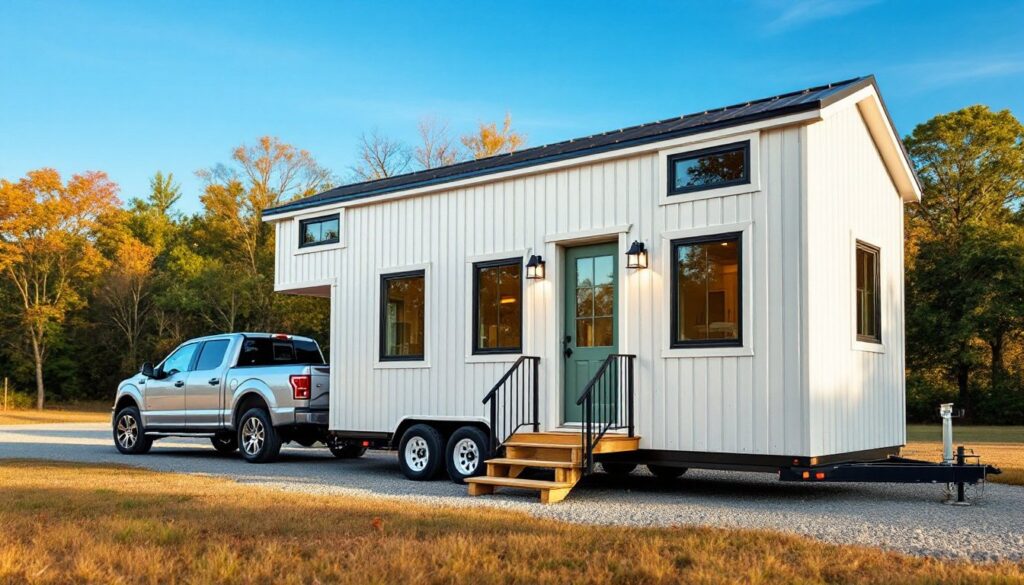

Mint Tiny Homes has carved out a solid reputation in the compact living market by focusing on quality construction and practical design. If you’re considering downsizing or looking for an affordable housing alternative, understanding what this builder offers, and what they don’t, can save you headaches and dollars. This guide walks through Mint’s models, pricing structure, customization options, and the real-world trade-offs you’ll face when choosing a tiny home. No fluff, just the details you need to make an well-informed choice.
Key Takeaways
- Mint Tiny Homes are RVIA-certified towable RVs built on steel trailer frames ranging from 20–32 feet, using durable SIP panel construction for superior insulation in compact spaces.
- Base pricing starts around $50,000 for shell configurations and climbs to $90,000+ for fully finished models, but you’ll need RV loans at 7–12% interest plus $3,000–$8,000 for delivery and significant site preparation costs.
- Zoning restrictions are a critical concern—many municipalities prohibit RV-classified homes as primary residences, so verify local codes before purchasing to avoid costly legal issues.
- Mint Tiny Homes offers moderate customization options including flooring, cabinetry, kitchen appliances, and loft configurations, but structural changes and wall alterations are generally not possible due to RVIA certification.
- Towable tiny homes require ongoing maintenance for road-related wear, limited resale value compared to traditional homes, and face challenges with heating/cooling costs in extreme climates despite good insulation.
- Successful tiny home ownership requires a six-step process: research local zoning, assess towing capability, secure RV financing, customize and order (12–24 week lead time), prepare the site, and coordinate professional delivery and setup.
What Are Mint Tiny Homes?
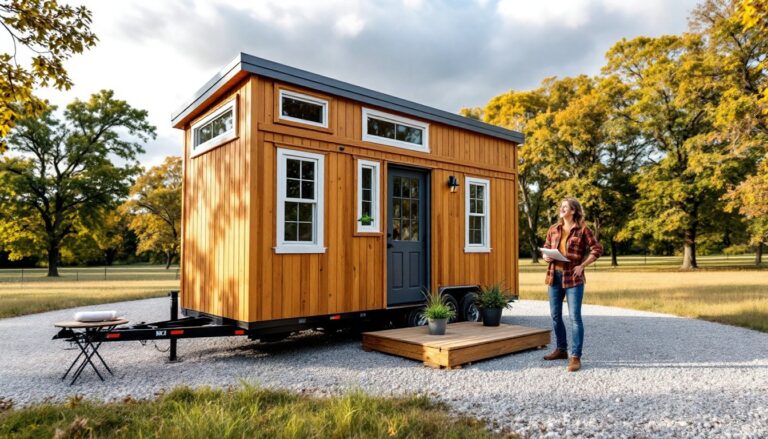
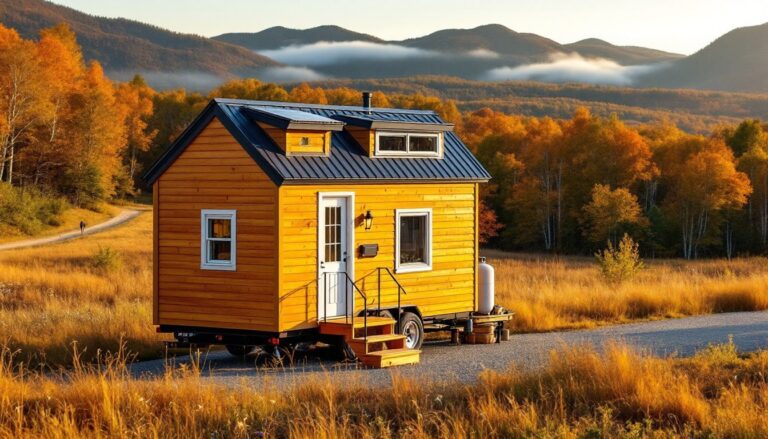
Mint Tiny Homes is a manufacturer specializing in RVIA-certified (Recreational Vehicle Industry Association) tiny houses on wheels. Unlike park models or site-built ADUs (Accessory Dwelling Units), their homes are built on steel trailer frames and classified as towable RVs, which affects zoning, financing, and insurance.
Most Mint models range from 20 to 32 feet in length, with widths of 8.5 feet (road-legal without oversize permits). The company uses SIP panels (Structural Insulated Panels) for walls and roofs in many builds, providing better insulation and air-tightness than traditional stick framing, critical in compact spaces where heat loss is magnified.
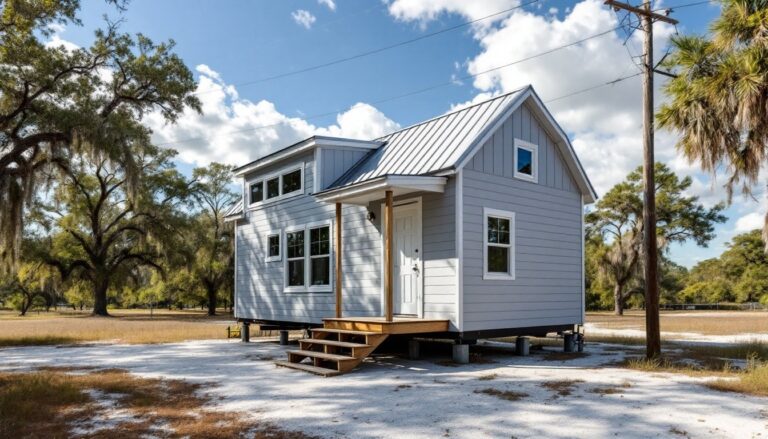
Their construction follows IRC Appendix Q guidelines (International Residential Code for Tiny Houses) where applicable, though RVIA certification takes precedence. This means homes meet safety standards for plumbing, electrical, and egress, but building codes for permanent dwellings don’t always apply. Buyers need to verify local zoning before purchase: many municipalities don’t allow RV-classified homes as primary residences.
Mint targets buyers looking for turnkey solutions rather than DIY shells. Homes arrive mostly finished, including plumbing rough-ins, electrical panels, and interior finishes. You’ll still need to connect utilities and handle site preparation and parking logistics, which vary widely by location.
Popular Mint Tiny Home Models and Floor Plans
Mint offers several base models, each with distinct layouts suited to different priorities, whether that’s sleeping capacity, work-from-home needs, or entertaining space.
The Nook (20 feet): Single-loft design with a ground-floor bedroom option. Works well for buyers who can’t or don’t want to climb to a sleeping loft. The trade-off is reduced storage: you lose overhead cabinet space. Kitchen includes a two-burner cooktop and apartment-size refrigerator. Bathroom has a 32-inch shower pan, which is tight but functional.
The Solace (24 feet): Dual-loft layout with main living area in the center. One loft typically serves as a bedroom (queen mattress fits with about 3 feet of headroom), the other as storage or a kid’s sleeping space. This model includes a larger kitchen with room for a 20-inch range. Bathroom can accommodate a standard toilet and a 36-inch shower, a noticeable comfort upgrade.
The Serenity (28 feet): Adds a ground-floor office nook or second bedroom, depending on configuration. If you’re working remotely, this layout provides a defined workspace without carving into living areas. Kitchen extends to include a full-size sink and counter space for meal prep. Some buyers opt for a combo washer-dryer unit in this model, though it reduces cabinet storage.
The Retreat (32 feet): Mint’s largest offering, with a full ground-floor bedroom separated by a pocket door. This is the closest you’ll get to traditional home flow in a towable tiny house. Buyers looking at designs emphasizing small-footprint living often compare this model to park models, but the Retreat remains road-legal.
All models use LP gas (propane) for cooking and optional heating. Electric panels are typically 50-amp service, which limits simultaneous use of high-draw appliances (you can’t run a space heater, electric kettle, and hair dryer at once without tripping breakers). Plan your electrical loads accordingly.
Pricing and Budget Considerations
Base prices for Mint Tiny Homes start around $50,000 for the smallest shell configurations and climb to $90,000+ for fully finished larger models with premium upgrades. These figures fluctuate with material costs, lumber and steel prices spiked 30% between 2024 and 2025 in some regions.
What’s included: Structural build, exterior siding (often board-and-batten or LP SmartSide), windows (dual-pane, typically), insulation, plumbing rough-ins (PEX tubing to fixtures), electrical panel and wiring, and interior finishes (flooring, wall treatments, cabinetry). Most models include a basic kitchen (sink, countertop, cabinets) and bathroom (toilet, shower, vanity).
What’s not included: Appliances (fridge, range, washer-dryer), HVAC equipment (mini-split or vented propane heater), window treatments, and delivery/setup fees. Delivery can add $3,000–$8,000 depending on distance, Mint’s facility is in a specific region, and cross-country transport gets expensive fast. You’ll also need to budget for utility hookups, which vary wildly. A simple RV-style connection (water, sewer, electric) at an existing site might cost $500. Running new services to raw land can exceed $10,000.
Financing challenges: Because Mint homes are RVIA-certified, traditional mortgages don’t apply. You’ll need an RV loan or personal loan, which typically carry higher interest rates (7–12% as of early 2026) and shorter terms (10–15 years vs. 30 for a mortgage). Some credit unions offer better rates for tiny home financing, but approval depends on the home’s title and your debt-to-income ratio. There’s guidance on managing housing expenses efficiently that applies here, tiny living isn’t automatically cheaper if financing costs are high.
Insurance runs $600–$1,200 annually for a tiny home on wheels, similar to RV insurance but with modifications for permanent occupancy. Standard homeowner’s policies won’t cover these structures.
Design Features and Customization Options
Mint allows moderate customization during the build process, though options are more constrained than a site-built custom home. Structural changes, moving walls, altering loft heights, are generally off the table due to engineering and RVIA certification requirements.
Interior finishes: Buyers can choose flooring (luxury vinyl plank is common: it’s durable and water-resistant), cabinet stains or paint colors, countertop materials (butcher block, laminate, or quartz), and wall finishes (shiplap, drywall, tongue-and-groove). If you’re interested in sustainable materials, reclaimed wood options can often be integrated for accent walls or shelving, though expect upcharges.
Kitchen and bath: You can spec appliance cutouts for specific fridge or range dimensions. If you plan to install a propane fridge for off-grid use, make sure rough-ins accommodate it. Bathroom upgrades include larger shower pans (up to 42 inches if space allows), composting toilets (useful for off-grid setups: they eliminate black water tanks), and upgraded fixtures.
Loft access: Standard is a ship-style ladder, steep and narrow. Upgrading to a staircase with storage drawers is popular but eats significant floor space (about 8–12 square feet). For anyone with mobility concerns or pets, stairs are worth it. Speaking of pets, if you’re adapting the space for animals, many pet-friendly design principles apply, think stable loft railings and non-slip flooring.
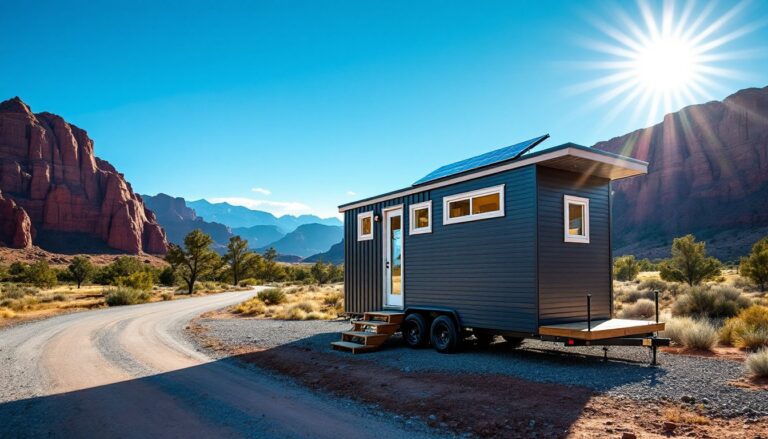
Electrical and mechanical: You can add solar-ready wiring (pre-run conduit and a breaker space for a charge controller) or upgrade to a 100-amp panel if you plan to add significant electrical loads later. Some buyers add a pre-wire for a mini-split heat pump, which is more efficient than resistance heating in moderate climates. For those planning off-grid or semi-off-grid setups, understanding your electrical system design is essential before finalizing specs.
Exterior: Options include metal roofing colors, siding profiles, window sizes (bigger windows increase light but reduce wall insulation), and deck/porch additions. A small front porch (4×6 feet) adds usable outdoor space but increases overall length, check your towing capacity and local length limits.
Pros and Cons of Choosing a Mint Tiny Home
Pros:
- RVIA certification: Easier to insure and park in RV-designated areas. Some buyers place homes on family land or in tiny home communities without the permitting nightmares of site-built structures.
- Turnkey delivery: Less project management than a DIY build. If you lack construction skills or time, this is a major advantage.
- Portability: Homes can be relocated if your situation changes, job relocation, land sale, etc. Requires a 3/4-ton or 1-ton truck (or professional towing service), but it’s doable.
- Build quality: SIP construction and attention to weatherproofing details (flashing, sealing) are generally solid. Many owners report fewer air leaks and drafts compared to stick-built tiny homes.
Cons:
- Zoning restrictions: Many cities and counties prohibit RV-classified structures as permanent residences. Research local codes before buying: some buyers discover too late that their property isn’t compliant.
- Financing and resale: Higher interest rates and limited lender options. Resale market for tiny homes is less predictable than traditional real estate, depreciation is closer to RVs than houses.
- Space limitations: Even the largest Mint model (32 feet) is under 300 square feet. Storage is minimal: you’ll need ruthless decluttering or external sheds. There are strategies from experts on maximizing small spaces that apply here.
- Utility challenges: Off-grid capability requires significant additional investment (solar array, battery bank, water catchment, septic or composting systems). Grid-tied living means finding a legal parking spot with hookups.
- Wear and tear: Towable homes experience road vibration and settling. Over time, this can cause fastener loosening, cabinet alignment issues, or small cracks. Regular maintenance is necessary, check roof seals, re-torque trailer bolts, inspect plumbing connections annually.
- Climate limitations: While SIP panels insulate well, tiny homes have high surface-area-to-volume ratios. Heating and cooling costs in extreme climates (Texas summer, Minnesota winter) can be surprisingly high relative to square footage.
Where to Buy and How to Get Started
Mint Tiny Homes sells directly through their website and may work with regional dealers or tiny home showcases. If possible, visit a model in person, photos don’t convey ceiling height, loft steepness, or how compact fixtures really feel.
Step 1: Research zoning and parking. Before contacting Mint, confirm where you’ll legally place the home. Options include:
- Private land (yours or family’s): Check county codes for RVs or ADUs. Some jurisdictions allow temporary placement: others require special permits.
- Tiny home communities: Growing in availability but often have waitlists and monthly fees ($300–$800).
- RV parks: Some accept tiny homes as long-term residents. Monthly rates vary widely ($400–$1,200).
Step 2: Assess towing and site access. A 32-foot tiny home on a trailer weighs 10,000–14,000 lbs fully loaded. You’ll need a capable tow vehicle or professional transport. Site access should accommodate an 8.5-foot-wide, 13.5-foot-tall load (including trailer and roof peak). Narrow driveways, low tree branches, and tight turns are common obstacles.
Step 3: Secure financing. Apply for RV loans or personal loans early. Pre-approval clarifies your budget and speeds the purchase process. Compare rates from credit unions, online lenders, and specialty tiny home financing companies.
Step 4: Customize and order. Work with Mint’s sales team to select a model and options. Lead times vary (12–24 weeks as of early 2026) depending on their build queue. Request a detailed contract specifying inclusions, exclusions, delivery terms, and warranty coverage.
Step 5: Prepare the site. While the home is being built, arrange utility connections, a level parking pad (gravel or concrete recommended: compacted soil can settle unevenly), and any required permits or inspections. Some buyers pour a simple concrete slab (8×32 feet for a 32-foot home) to provide a stable, level base and reduce moisture issues. For ideas on finishing touches, there are DIY approaches to landscaping and exterior details that fit a tiny home budget.
Step 6: Delivery and setup. Coordinate delivery timing with utility hookup completion. Professional setup often includes leveling the trailer, installing wheel chocks or stabilizer jacks, and making initial utility connections. Budget a full day for delivery and a few more for finishing touches (installing appliances, furnishing, etc.).
Conclusion
Mint Tiny Homes offers a practical entry into compact living for buyers who value quality construction and turnkey convenience. Success hinges on thorough upfront research, zoning, financing, site prep, and realistic expectations about space and ongoing costs. Tiny living isn’t for everyone, but for those who prioritize simplicity and mobility, a well-built Mint home can deliver years of comfortable, efficient housing. Do your assignments, visit models if possible, and plan for the hidden costs that catch first-time tiny home buyers off guard.