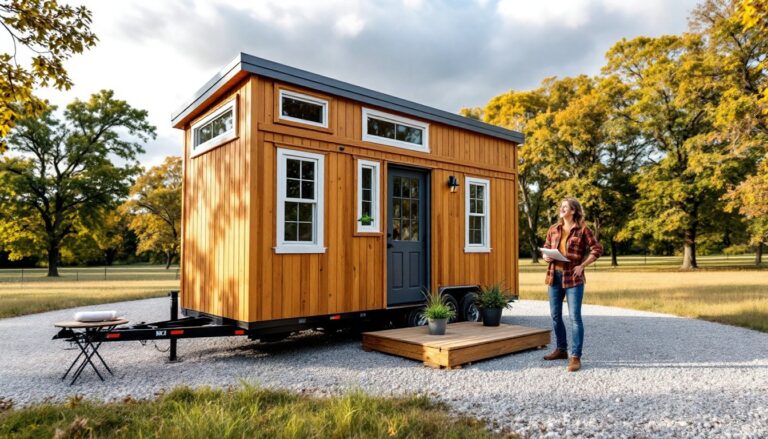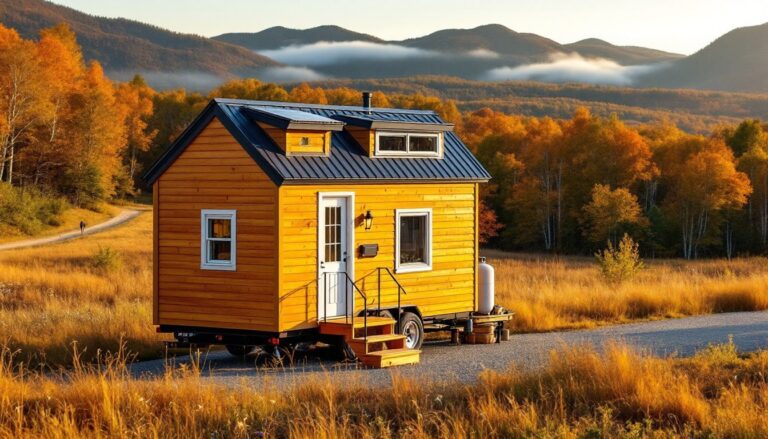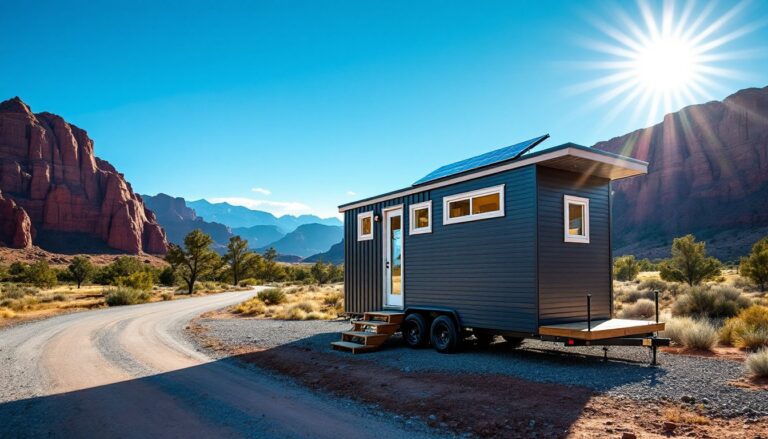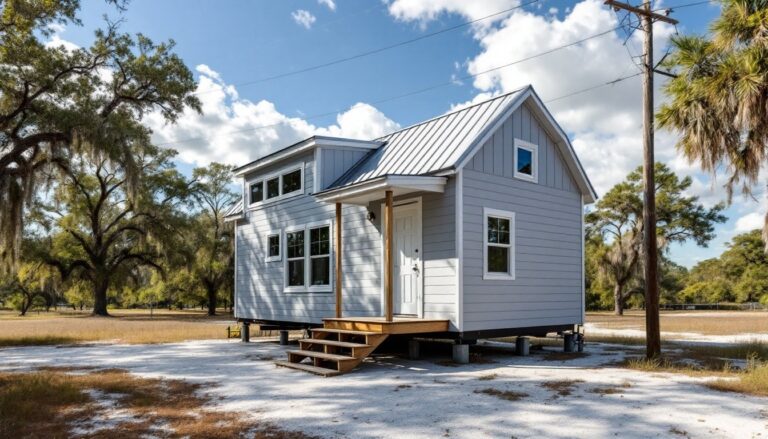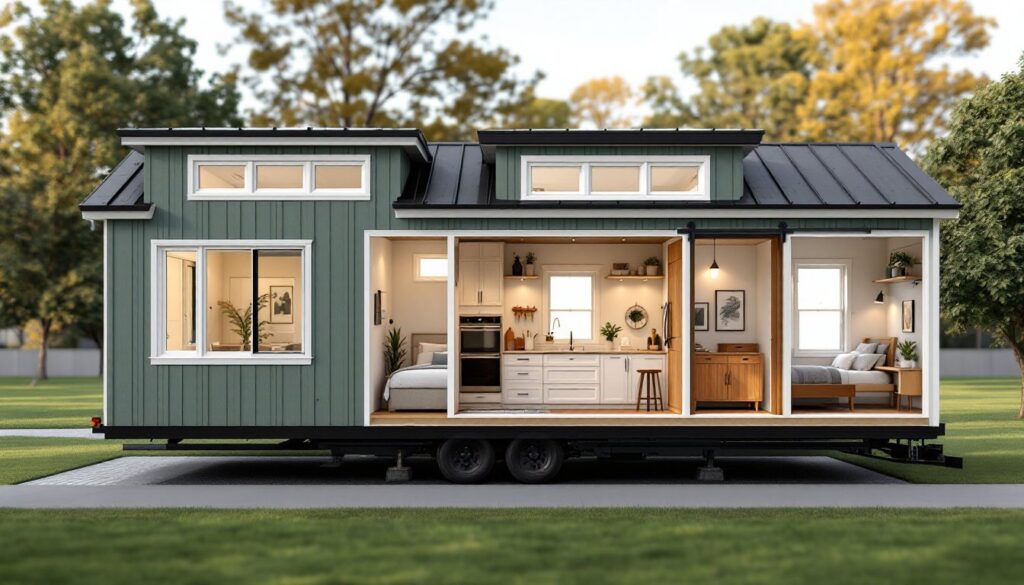

Two bedroom tiny houses hit a sweet spot that single-bedroom models can’t touch, they provide workspace separation, accommodate growing families, or make room for guests without sacrificing the efficiency and affordability that define tiny living. As zoning reforms spread and modular construction improves, these compact multi-bedroom designs have evolved from cramped curiosities into genuinely livable homes. Whether you’re downsizing, building a backyard ADU, or creating a vacation retreat, the right two bedroom plan balances privacy, function, and code compliance without feeling like a compromise.
Key Takeaways
- Two bedroom tiny house plans range from 400-800 square feet and increase resale value by 20-30% compared to one-bedroom models while still maintaining the cost efficiency of tiny living.
- Essential design features like open-concept layouts, separate bedroom access at opposite ends, and vertical built-in storage prevent claustrophobic spaces and maximize functionality in compact footprints.
- Popular configurations include the Bookend Layout (500-700 sq ft), Stacked Loft Design (350-500 sq ft), L-Shaped Plan (600-800 sq ft), and Split-Level (450-650 sq ft), each offering different privacy and accessibility advantages.
- Code compliance is non-negotiable: each bedroom requires a minimum 70 square feet, 7-foot ceiling height for 50% of the room, and an emergency egress window—verify local zoning requirements before purchasing plans.
- Professional builds cost $80,000-$140,000 while DIY approaches range from $35,000-$65,000 in materials, with hybrid approaches (DIY framing plus contractor subs) cutting labor costs 40-60% compared to full contractor builds.
- DIY success depends on intermediate carpentry skills, 6-12 months of available time, and access to proper tools; first-timers should expect 1,600-2,400 hours of work spread over 16-28 months.
Why Choose a Two Bedroom Tiny House?
A second bedroom fundamentally changes how a tiny house functions. It’s not just about adding square footage, it’s about creating dedicated zones that prevent lifestyle overlap.
For remote workers, that second room becomes essential office space with a door that closes. No more Zoom calls from the kitchen table while someone else cooks lunch. Families with one child gain a real nursery or kid’s room instead of relying on curtain dividers. Couples hosting overnight guests avoid the couch-surfing awkwardness that plagues single-bedroom layouts.
The math works, too. Most two bedroom tiny homes range from 400 to 800 square feet, still far below the U.S. median home size of 2,200+ square feet, but large enough to meet International Residential Code (IRC) minimums for habitable rooms. That extra bedroom typically adds 100 to 150 square feet and can increase resale value by 20-30% compared to one-bedroom models.
From a zoning perspective, two bedrooms often qualify as a legitimate dwelling unit rather than a recreational structure, which matters for suburban tiny homes where ADU regulations may require minimum bedroom counts for legal occupancy.
Essential Design Features for Two Bedroom Tiny Homes
Smart two bedroom plans rely on architectural strategies that maximize usable space without making the home feel like a hallway with rooms attached.
Open-concept living areas are non-negotiable. The kitchen, dining, and living spaces should flow together without walls, this preserves sightlines and prevents the claustrophobic tunnel effect common in poorly designed tiny homes. Use an island or peninsula (30-36 inches deep) to define zones without blocking movement.
Separate bedroom access matters more than most builders realize. Bedrooms placed at opposite ends of the floor plan (primary at one end, guest/kid’s room at the other) provide acoustic separation and privacy. Avoid designs where someone has to walk through one bedroom to reach another.
Vertical storage and built-ins are where amateur plans fail. Every wall should work, think floor-to-ceiling closets (minimum 24 inches deep for hanging clothes), under-stair storage, and recessed shelving between studs (3.5 inches deep in standard 2×4 walls, 5.5 inches in 2×6 walls). You’ll find inspiration for compact storage solutions on Apartment Therapy, which showcases real-world examples in similarly sized spaces.
Windows and natural light become critical when you’re carving up limited square footage. IRC requires habitable rooms to have glazing equal to at least 8% of floor area (with exceptions). In practice, aim for 10-15% to avoid a cave-like atmosphere. Clerestory windows and strategically placed skylights bring light deep into the center of the floor plan without sacrificing wall space for furniture.
Space-Saving Layout Strategies
Effective two bedroom layouts employ specific tricks to squeeze function from every inch:
Pocket doors and barn doors save the 9-10 square feet consumed by a standard swing door’s arc. Use pocket door frames (which require 2×6 walls or furring out 2×4 walls) for bathrooms and bedrooms. Barn doors work for closets but aren’t ideal for bathrooms due to privacy gaps.
Murphy beds or lofted sleeping areas in the guest bedroom free up daytime floor space. If lofting, maintain minimum ceiling height of 35 inches at the sleeping surface (per IRC Appendix Q for tiny houses). Full-height primary bedrooms feel less cramped for daily use.
Multi-function furniture zones blur the line between rooms. A dining table that folds down from the wall or a desk that converts to an eating surface eliminates redundant furniture. Built-in seating with storage underneath (minimum 15 inches deep) replaces standalone chairs and dressers.
Narrow circulation paths (24-30 inches) meet code minimums while maximizing room sizes. Main hallways require 36 inches clear width, but transitions between rooms can taper to 32 inches if needed. Don’t go narrower, you’ll regret it when moving a couch.
Popular Two Bedroom Tiny House Floor Plans
Certain configurations have proven themselves in real-world use. Here’s what works:
The Bookend Layout (500-700 sq ft): Bedrooms anchor opposite ends with the living/kitchen core in the middle. Primary bedroom gets an ensuite bath: guest room shares a second bath with common areas. This arrangement maximizes privacy and works well for trailer-based or foundation-built homes. Expect dimensions around 32 feet long by 16-20 feet wide for trailer versions (road-legal width limits).
The Stacked Loft Design (350-500 sq ft): Both bedrooms occupy lofts over the main floor, leaving the full footprint for living space. Requires ceiling height of 13+ feet at the peak, which exceeds most road height restrictions (13’6″ in many states) but works for stationary tiny homes. Access via ladders or alternating tread stairs (which need minimum 20 inches width). Young kids and older adults struggle with loft access, keep this in mind.
The L-Shaped Plan (600-800 sq ft): Two wings create natural room separation with the kitchen/living area at the junction. One wing holds the primary suite, the other the second bedroom and shared bath. This layout adapts well to corner lots or tiny house parking situations where you’re working around existing structures. The L-shape also helps with passive solar orientation, position living areas to face south.
The Split-Level (450-650 sq ft): Stepped floor levels create distinct zones without full walls. Primary bedroom raised 3-4 steps provides under-bed storage while the guest room sits at grade. Half-walls (42-48 inches tall) between levels preserve openness while defining spaces. This approach requires careful structural planning for proper insulation at level changes and complicates accessibility.
Most successful builders start with proven plans rather than designing from scratch. Instructables offers community-vetted tiny house plans with detailed material lists and cut sheets that prevent costly design errors.
Building Codes and Size Considerations
Code compliance determines whether you’re building a legal dwelling or an expensive shed. Don’t skip this step.
IRC Appendix Q (Tiny Houses) applies to dwellings 400 square feet or less and allows some relaxed standards (like that 35-inch loft ceiling mentioned earlier). Above 400 square feet, you’re subject to standard IRC requirements, which aren’t necessarily harder to meet, but you lose some of the flexibility.
Key IRC requirements for habitable rooms:
- Minimum 70 square feet per bedroom, with no dimension less than 7 feet
- Ceiling height of 7 feet for 50% of the room (sloped ceilings allowed if they average 7 feet)
- Emergency egress window in each bedroom (5.7 square feet minimum opening, 24-inch minimum height, 20-inch minimum width, sill maximum 44 inches above floor)
Foundation vs. trailer dramatically affects compliance. Homes on permanent foundations follow standard residential codes: RVIA (Recreational Vehicle Industry Association) standards apply to trailer-based models if you want them certified as RVs, which affects financing and insurance options.
Zoning restrictions matter more than building codes in most cases. Minimum square footage requirements, setbacks, and ADU regulations vary wildly, some jurisdictions allow 400-square-foot ADUs, others mandate 800+ square feet. Check with your local planning department before purchasing plans. In areas with evolving tiny house electric setup requirements, electrical inspections may scrutinize off-grid systems more closely than grid-tied installations.
Permits are required for almost all permanently-sited tiny homes. Budget $1,500-$5,000 for permit fees, engineering stamps (required for snow/wind load calculations in most jurisdictions), and inspection costs. Claiming you didn’t know isn’t a defense, and unpermitted work tanks resale value.
Cost Breakdown: What to Expect When Building
Two bedroom tiny house costs range dramatically based on finish level and build approach, but here’s realistic 2026 pricing:
Shell-only kit (delivered): $25,000-$45,000
- Includes framed walls, roof trusses, exterior sheathing, windows, doors
- You handle foundation, utilities, interior finish, and all labor
- Assumes trailer base or pier foundation: add $8,000-$15,000 for slab
DIY build (materials only): $35,000-$65,000
- Lumber and framing: $8,000-$12,000 (2×4 walls, 2×6 floor joists, engineered roof trusses)
- Windows and exterior doors: $3,000-$6,000
- Roofing (metal recommended): $2,500-$4,500
- Siding: $3,000-$7,000 (fiber cement runs higher than vinyl but lasts longer)
- Insulation: $1,500-$3,000 (spray foam costs 2-3x fiberglass but seals better)
- Drywall and interior finish: $4,000-$7,000
- Kitchen cabinets and appliances: $5,000-$12,000
- Bathroom fixtures (two baths): $4,000-$8,000
- Electrical and plumbing materials: $3,000-$6,000
- Flooring: $2,000-$4,000
Professional build (turnkey): $80,000-$140,000
- Includes all labor, materials, permits, and site prep
- Varies wildly by region (West Coast runs 20-30% higher than Southeast)
- Finishes are builder-grade unless you upgrade
Per-square-foot costs for tiny homes run $150-$250/sq ft for DIY builds and $200-$350/sq ft for contractor-built, higher than conventional construction because you’re spreading fixed costs (kitchen, bathrooms, HVAC) over fewer square feet.
Hidden costs that bite beginners:
- Utility hookups: $5,000-$15,000 for water, sewer, electric if not already on-site
- Site work: $3,000-$10,000 for grading, drainage, access
- HVAC: $3,000-$7,000 for a proper mini-split system (window units don’t cut it for year-round living)
- Tools you don’t own: Budget $1,500-$3,000 if you’re starting from scratch
These numbers assume conventional construction. High-end finishes, structural insulated panels (SIPs), or custom architectural details push costs higher. Market volatility affects lumber and materials, build budgets in 2026 have stabilized compared to the 2021-2022 spike, but lock in material quotes before starting.
DIY vs. Professional Build: Making the Right Choice
This decision shapes your timeline, budget, and frustration level. Be honest about your skills and available time.
Go the DIY route if:
- You have intermediate carpentry skills (can frame walls, install windows, hang doors)
- You’re comfortable with electrical and plumbing basics or willing to hire subs for those trades
- You have 6-12 months of weekends and evenings available
- You’ve got a helper for framing, wall-raising, and roof work (this is not a solo job)
- You can handle the permitting and inspection process yourself
- You’re building on your own land where you can work at your own pace
Hire professionals if:
- You’ve never framed a wall or run electrical wire
- Your local jurisdiction requires licensed contractors for permitted work
- You need move-in-ready housing within 3-4 months
- You’re financing the build (banks often require licensed contractors)
- You’re building in an HOA or development with strict contractor requirements
Hybrid approach (DIY with subcontractors) works well for many. You can frame walls, install insulation, and handle finish work while hiring out foundation, electrical, plumbing, and roofing. This cuts labor costs 40-60% compared to full contractor builds while keeping critical systems to code.
Tool requirements for DIY:
- Circular saw (7-1/4 inch), miter saw (10-12 inch compound), table saw (optional but helpful)
- Cordless drill/driver and impact driver (18V minimum)
- Framing nailer (pneumatic or cordless), finish nailer
- Level (4-foot and 2-foot), speed square, chalk line
- Safety gear: safety glasses, ear protection, dust masks, work gloves, knee pads
You can rent specialty tools (scaffolding, compressors, concrete equipment) as needed. Don’t buy a $400 tool you’ll use once.
Building science matters regardless of who swings the hammer. Proper climate control planning from the start prevents comfort and durability issues that plague poorly designed tiny homes. Fine Homebuilding provides deep-dive articles on air sealing, moisture management, and thermal bridging that apply directly to tiny house construction.
Timeline reality check: Experienced DIYers complete two bedroom tiny houses in 800-1,200 hours of actual work. Spread over weekends, that’s 8-14 months. First-timers should double that estimate. Professional builders working full-time finish in 2-4 months depending on weather and material availability.
The decision isn’t purely financial. A DIY build teaches you exactly how your house goes together (invaluable for future repairs), creates real pride of ownership, and might just be the most satisfying project you ever tackle. But if carpentry isn’t your thing and you need housing soon, hire it out and invest your time elsewhere. Both paths lead to the same destination, a functional, efficient two bedroom tiny house that fits your life without the burden of a conventional mortgage.