
The Triangle region is seeing a surge in tiny home interest, and for good reason. Raleigh offers a blend of urban accessibility, mild climate, and a growing network of tiny-home-friendly communities. Whether someone’s looking to downsize, simplify maintenance, or cut housing costs, tiny homes deliver. But buying one in North Carolina isn’t as simple as parking a trailer in the backyard, zoning laws, financing hurdles, and site prep all come into play. This guide walks through what’s available, where to find it, and what it takes to make tiny living work in Raleigh.
Table of Contents
ToggleKey Takeaways
- Tiny homes for sale in Raleigh, NC range from $50,000 to $150,000+ depending on type, finish level, and customization, offering affordable entry into the housing market compared to median home prices exceeding $400,000.
- Zoning restrictions are the biggest hurdle—tiny homes on wheels are treated as RVs and prohibited for long-term living in most residential zones, while foundation-based models may qualify as ADUs if they meet specific setback and lot-size requirements.
- Financing options for tiny homes include RV loans (6–10% interest), chattel loans, personal loans, and traditional mortgages for foundation-based homes that meet building codes, with credit scores above 680 unlocking better rates.
- Raleigh’s mild winters, moderate humidity, and growing network of tiny-home-friendly communities make it ideal for tiny living, though summer ventilation and mini-split heat pumps are essential for preventing mold.
- Before purchasing, rent a tiny home on Airbnb for a weekend and tour in person to verify ceiling heights, storage capacity, electrical load limits, and whether the layout matches your daily routines and non-negotiables.
Why Raleigh Is a Hotspot for Tiny Home Living
Raleigh’s housing market has heated up over the past decade, with median home prices climbing well above $400,000 in many neighborhoods. Tiny homes offer an affordable entry point without sacrificing quality of life. The city’s proximity to Research Triangle Park, strong job market, and moderate winters make it ideal for year-round tiny living.
The local culture supports alternative housing. Raleigh has a vibrant DIY and sustainability scene, with maker spaces, farmers’ markets, and a growing number of tiny home builders based in the region. Unlike more restrictive metros, Wake County has pockets where accessory dwelling units (ADUs) and smaller footprint homes are gaining traction.
Climate matters for tiny homes. Raleigh’s Zone 7b growing season and relatively mild winters (average lows around 30°F in January) mean less extreme insulation demands than northern markets. Summer humidity does require proper ventilation, mini-split heat pumps are standard in most builds. The area also sees lower risk of wildfires and severe winter storms compared to coastal or mountain regions.
Types of Tiny Homes Available in the Raleigh Area
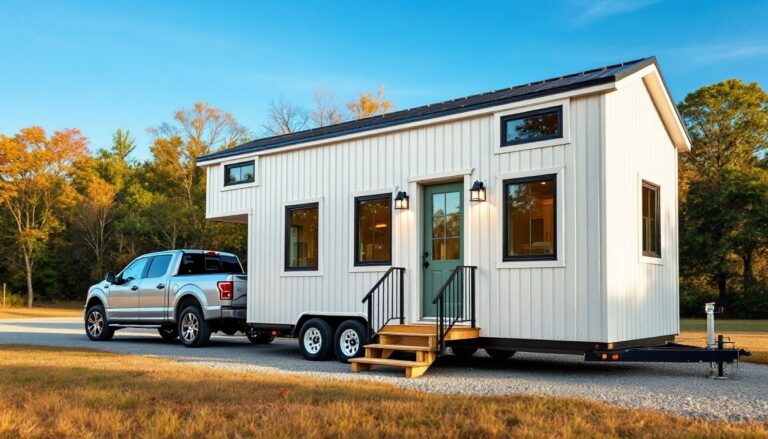
Tiny homes on wheels (THOWs) dominate the market. These are built on trailers, typically dual-axle or triple-axle frames rated for 10,000 to 14,000 lbs GVWR, and range from 150 to 400 square feet. Most comply with RVIA or NOAH certification standards, which helps with insurance and parking in RV-designated communities. They’re movable, but moving a 30-foot tiny house requires a 3/4-ton or larger pickup truck and proper towing experience. Expect builds to use 2×4 or 2×6 framing with spray foam insulation and metal or architectural shingle roofing.
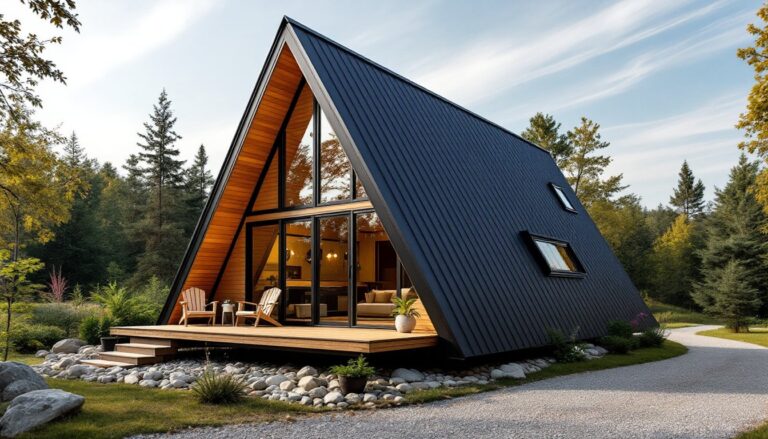
Foundation-based tiny homes (also called park models or small cottages) sit on permanent piers or slab foundations. These often range from 400 to 800 square feet and must meet IRC building codes if they’re classified as dwellings. They’re easier to finance through traditional mortgages and typically allowed in more neighborhoods, but they lose the mobility advantage. Builders often use standard stud framing at 16-inch on-center spacing and install conventional HVAC systems.
Prefab and modular tiny homes are factory-built in sections and delivered on flatbed trucks. Quality control is tighter than site-built options, and installation can happen in a day. These units still require a foundation, utility hookups, and local permits. Some manufacturers offer SIP (structural insulated panel) construction for better energy efficiency.
Converted shipping containers occasionally pop up in Raleigh listings. A standard 20-foot or 40-foot ISO container provides a steel shell, but retrofitting for livability requires significant work: cutting openings (which weakens structure unless properly reinforced), adding insulation (spray foam is common), and installing vapor barriers to prevent condensation. Containers aren’t inherently cheaper once you factor in modifications, delivery, and site prep.
Where to Find Tiny Homes for Sale in Raleigh, NC
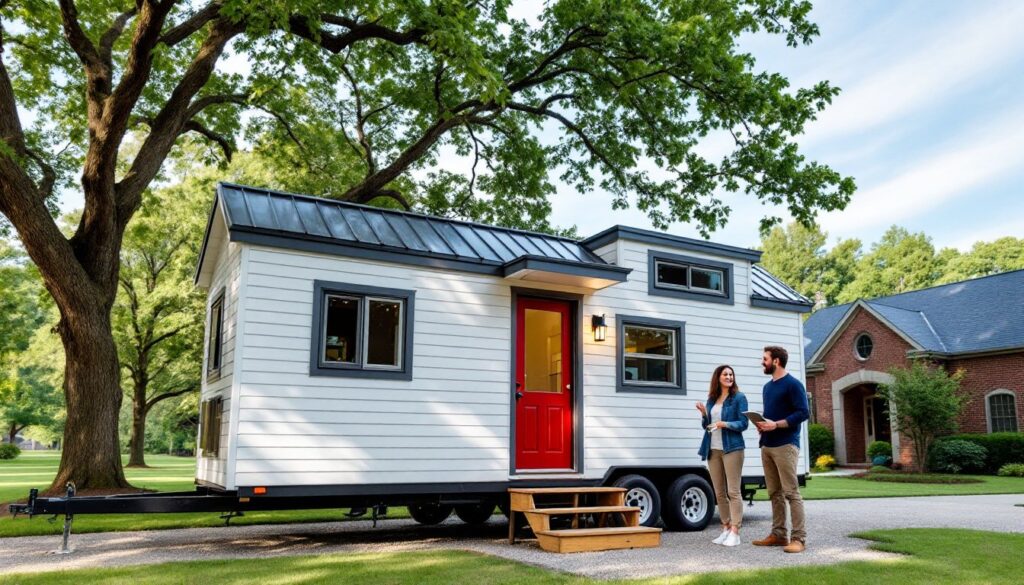
Local builders are the most reliable source. Several Triangle-based companies specialize in custom tiny home builds and stock models. Visiting a builder’s lot lets buyers inspect construction quality, check wall thickness, test door and window operation, and ask about warranty coverage. Most builders offer turnkey delivery and can coordinate utility hookups if the buyer has a site ready.
Tiny home communities and RV parks sometimes have resale inventory. SimpliCity Homes and other tiny-home-specific developments occasionally list units when residents move. These homes are already parked on leased land, so buyers take over the lease agreement. Always review the land lease terms, monthly fees typically range from $400 to $700 and may include water, sewer, and trash.
Online marketplaces like Tiny House Listings, Facebook Marketplace, and Craigslist feature both new and used inventory. Listings vary widely in quality. Always request a detailed build sheet showing framing materials, insulation R-values, window specs (dual-pane low-E is standard in quality builds), and electrical panel size (most tiny homes use a 50-amp RV-style hookup or a 100-amp residential service if foundation-based). Arrange an in-person inspection, check for roof leaks, level floors, and signs of amateur electrical work.
Home shows and tiny house festivals happen periodically in the Triangle. The NC Tiny House Festival (when scheduled) showcases builders, floor plans, and financing options. These events let buyers compare builds side-by-side and talk directly to manufacturers.
Outside Raleigh, some buyers look toward tiny homes designed for specific communities, which may offer financing or land-lease packages tailored to certain groups.
Zoning Laws and Regulations for Tiny Homes in Raleigh
Zoning is the biggest hurdle. Raleigh’s Unified Development Ordinance (UDO) doesn’t have a specific “tiny home” category, so these structures fall under existing classifications: RVs, ADUs, or single-family dwellings depending on size and foundation type.
Tiny homes on wheels are generally treated as RVs. The city prohibits long-term RV living on residential lots in most zoning districts. Exceptions exist in some RV parks or planned communities that allow park models. If parking a THOW on private land, check county regulations, Wake County has different rules than Raleigh proper, and unincorporated areas sometimes allow RV dwelling with a conditional use permit.
Foundation-based tiny homes under 800 square feet may qualify as accessory dwelling units (ADUs) if placed on a lot with an existing primary residence. Raleigh updated its ADU rules in recent years, allowing them in more residential zones. Requirements typically include:
- Minimum lot size (often 5,000 to 7,000 square feet depending on district)
- Setback requirements (usually 5 to 10 feet from rear and side property lines)
- Owner occupancy of either the primary dwelling or the ADU
- Separate utility meters or submeters
- Compliance with IRC building codes and local amendments
Building permits are required for any foundation-based structure. The permit process includes plan review (stamped by a licensed engineer or architect for structural elements), inspections at footing, framing, electrical rough-in, and final stages. Budget $1,500 to $3,000 for permit fees and plan review, and expect a 4- to 8-week approval timeline.
Utility hookups must meet code. Electrical work requires a licensed electrician and inspections per the National Electrical Code (NEC). Plumbing follows the International Plumbing Code (IPC), and septic systems (if not connecting to municipal sewer) need Health Department approval and perc tests. Water connections require a backflow preventer and meter installation coordinated with the city or county water authority.
Some buyers pursue tiny home communities to sidestep individual zoning battles. These developments obtain blanket zoning approval for multiple tiny dwellings under a planned unit development (PUD) or manufactured home park classification.
What to Expect: Pricing and Financing Options
Pricing varies widely based on size, finish level, and whether the home is DIY, used, or custom-built.
- DIY shell or unfinished build: $20,000 to $40,000 for a basic trailer and framing with roof, siding, and windows installed. Buyer completes interior finishes, electrical, and plumbing.
- Turnkey tiny home on wheels (200–350 sq ft): $50,000 to $90,000 for a finished interior with appliances, fixtures, and off-grid or grid-tie electrical systems.
- High-end custom THOW or foundation model (350–600 sq ft): $90,000 to $150,000+ with premium finishes, custom cabinetry, upgraded appliances (induction cooktop, composting toilet, tankless water heater), and luxury materials.
- Used tiny homes: $30,000 to $70,000 depending on age, condition, and location. Inspect thoroughly, resale homes may have hidden issues like roof leaks, electrical shorts, or frame rust.
All pricing is approximate and fluctuates with lumber costs, regional labor rates, and market demand. Add site prep, delivery, and utility hookups, budget another $5,000 to $15,000 if not already included.
Financing is tricky. Most tiny homes on wheels don’t qualify for conventional mortgages because they’re not real property. Options include:
- RV loans: If the home is RVIA-certified, lenders like LightStream or Camping World offer RV loans with terms up to 15 years and interest rates around 6% to 10% (as of 2026).
- Personal loans: Unsecured loans work for smaller amounts but carry higher interest rates (10% to 15%) and shorter terms (5 to 7 years).
- Chattel loans: Designed for movable property. Terms are better than personal loans but require the home as collateral.
- Traditional mortgages: Available for foundation-based tiny homes that meet IRC code and are legally classified as real property. Requires a permanent foundation, building permit, and certificate of occupancy.
- Builder financing: Some manufacturers offer in-house payment plans. Read the fine print, interest rates may be higher than bank loans.
Credit scores above 680 generally unlock better rates. Put down 10% to 20% if possible to improve approval odds and lower monthly payments.
Researchers interested in design trends for smaller dwellings often find inspiration that applies to tiny home interiors, especially around maximizing storage and multi-function furniture.
Tips for Choosing the Right Tiny Home for Your Lifestyle
Define daily routines first. A tiny home that works for a single remote worker won’t suit a couple with hobbies requiring gear storage. List non-negotiables: full-size appliances, dedicated workspace, sleeping loft versus ground-floor bedroom, composting toilet versus standard flush.
Measure everything. Standard door widths in tiny homes are 28 to 32 inches. Ceiling heights in lofts often max out at 3 to 4 feet at the peak, fine for sleeping, awkward for sitting up. Main floor ceilings range from 8 to 13 feet depending on build. If someone’s over six feet tall, low ceilings and loft ladders get old fast.
Inspect the trailer frame and axles. Rust, bent axles, or undersized frames are red flags. The trailer should have a GVWR rating that exceeds the finished weight of the home by at least 1,000 lbs for a safety margin. Tires should be load-rated and less than six years old (check the DOT date code on the sidewall).
Check insulation and climate control. In Raleigh’s humid summers, inadequate ventilation leads to mold. Look for exhaust fans in the bathroom and kitchen (rated at least 50 CFM), and a mini-split heat pump (12,000 to 18,000 BTU is typical for 200–400 sq ft). Insulation should hit R-13 to R-21 in walls and R-30+ in the roof/ceiling. Spray foam is common, but some builders use rockwool or fiberglass batts. Ask for the insulation spec sheet.
Evaluate electrical and plumbing systems. A 50-amp RV hookup limits total load, running a space heater, microwave, and air conditioner simultaneously may trip the breaker. Foundation-based homes with 100-amp or 200-amp panels offer more headroom. Plumbing should use PEX or copper, avoid homes with undersized or brittle plastic lines. Test all faucets, check for leaks under sinks, and flush the toilet multiple times.
Consider storage realistically. Tiny homes sacrifice closets. Look for under-stair storage, kitchen drawers on full-extension slides, and overhead cabinets. Some designs include exterior storage compartments accessed from outside, useful for tools, bikes, or seasonal gear.
Tour in person whenever possible. Photos hide tight squeezes, cheap finishes, and awkward layouts. Spend time in the space, open cabinets, climb the loft ladder, stand in the shower. If buying used, bring a moisture meter to check walls and floors for hidden water damage. Pay a home inspector familiar with tiny homes ($300 to $500) to review the structure, electrical, and plumbing.
Some buyers find inspiration from home renovation shows to help visualize custom layouts and finishes, though remember that TV timelines and budgets rarely match reality. Others explore real estate trends and market shifts to understand how tiny homes fit into broader housing markets.
Finally, try before you buy. Rent a tiny home on Airbnb for a weekend. Living in 250 square feet sounds romantic until you realize there’s no room for your mountain bike, your partner’s crafting supplies, and a dining table. Better to learn that before signing a purchase agreement.
Conclusion
Tiny homes in Raleigh offer a real path to affordable, simplified living, but only if zoning, financing, and daily practicality align. Do the assignments upfront: confirm local ordinances, secure financing, and inspect builds thoroughly. Done right, downsizing delivers lower costs, less maintenance, and the freedom to focus on what matters beyond square footage.