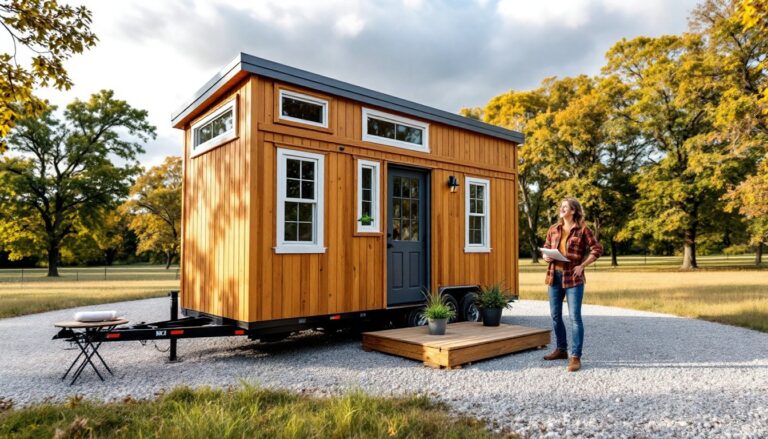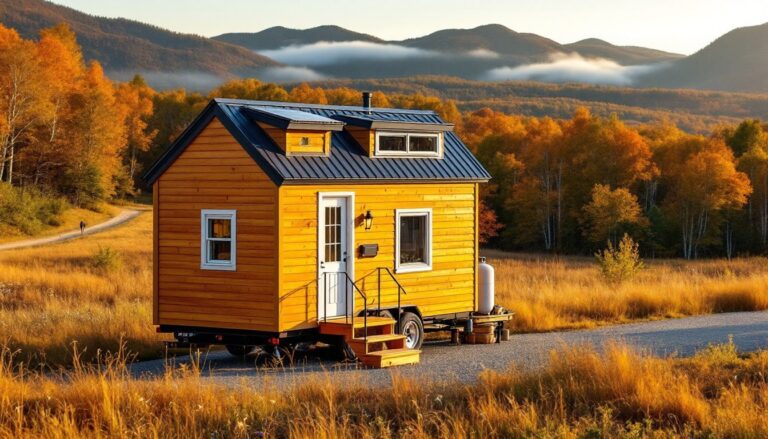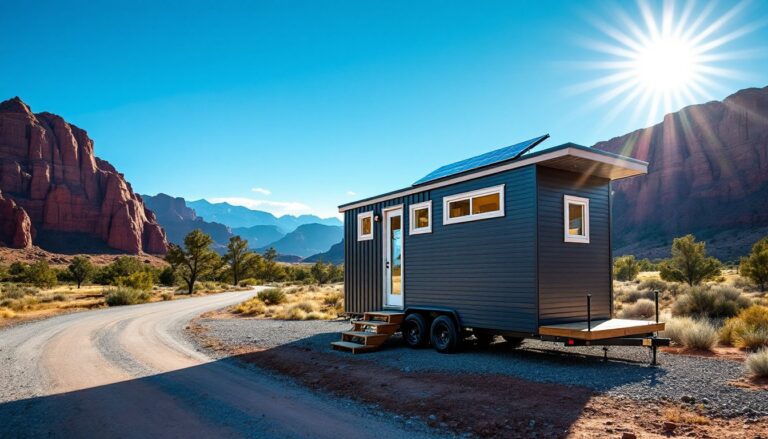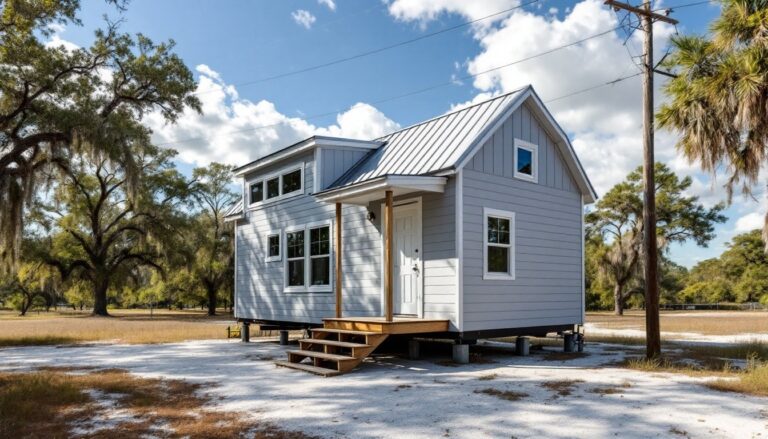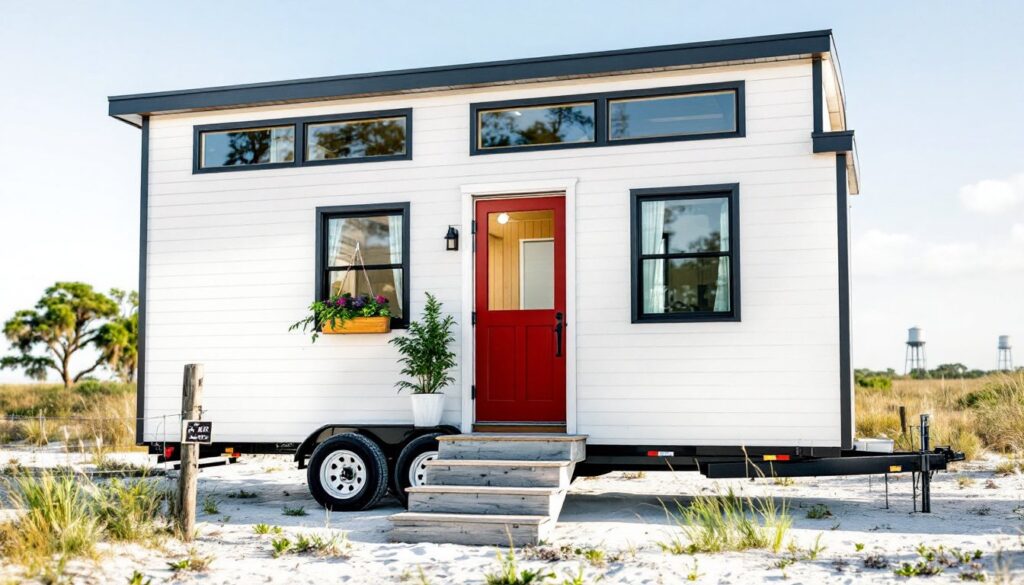

Florida’s climate, coastline, and laid-back lifestyle have drawn retirees and snowbirds for decades. Now, there’s a new wave of buyers looking for something different: tiny houses. These compact homes, typically under 400 square feet, offer a simplified life without sacrificing proximity to beaches, theme parks, and year-round sunshine. Whether you’re downsizing, seeking an affordable vacation retreat, or embracing minimalism, Florida’s tiny house market has grown significantly in 2026. But buying one involves more than falling in love with shiplap and loft bedrooms. You’ll need to navigate zoning laws, financing quirks, and a patchwork of county regulations that can make or break your purchase.
Key Takeaways
- Florida’s year-round warmth, no income tax policy, and lower utility costs make tiny houses for sale in Florida an attractive option for downsizers, retirees, and remote workers seeking affordable living.
- Zoning laws vary drastically by county—while Orange County permits foundation-built tiny homes, Pinellas County restricts them to RV parks, so consult a local zoning attorney before purchasing.
- Tiny homes in Florida must meet strict hurricane preparedness standards, including impact-resistant windows, hurricane straps, and structural designs rated for 140-160 mph winds in coastal zones.
- Traditional mortgages rarely cover tiny houses; RV loans for certified trailers, personal loans, or cash purchases are the most viable financing options for tiny house buyers.
- When inspecting a tiny house for sale in Florida, prioritize trailer frame integrity, moisture protection using spray foam insulation, and RVIA or NOAH certification to ensure code compliance.
- Florida’s tiny house market offers units from $30,000 for basic models to $150,000+ for custom builds through specialty dealers, online marketplaces, and established local builders.
Why Florida Is a Top Destination for Tiny House Living
Florida’s year-round warmth eliminates the need for heavy insulation and expensive heating systems that plague tiny homeowners in northern climates. A mini-split HVAC unit rated for 400–600 square feet handles cooling efficiently, and hurricane-rated windows are standard in new builds.
The state’s no income tax policy stretches budgets further, especially for retirees or remote workers living on fixed incomes. Combine that with lower utility costs in a small footprint, and monthly expenses drop significantly compared to traditional housing.
Florida’s outdoor-centric culture aligns well with tiny living. When your home is 200 square feet, state parks, beaches, and community spaces become your extended living room. Coastal areas like the Panhandle and Gulf Coast offer affordable land parcels, while Central Florida provides proximity to employment hubs without the price tags of Miami or Tampa proper.
But, hurricane preparedness is non-negotiable. Tiny houses on wheels (THOWs) need secure anchor systems meeting Florida Building Code Section 1609 for wind resistance. Foundation-built tiny homes must meet the same wind load requirements as traditional structures, typically 140-160 mph in coastal zones.
Where to Find Tiny Houses for Sale in Florida
Online Marketplaces and Specialty Tiny Home Dealers
Start with Tiny House Listings, a national aggregator with Florida-specific filters for price, location, and whether the unit is on wheels or a permanent foundation. Expect listings from $30,000 for basic THOWs to $150,000+ for custom builds with premium finishes.
Facebook Marketplace and Craigslist turn up owner-sold units, though quality varies wildly. Look for sellers who provide documentation: RVIA certification for THOWs (ensures RV safety standards) or certificates of occupancy for foundation homes. Skip any listing that can’t produce a clear title or build receipts.
Florida-based builders like Movable Roots (based in Orlando) and Tiny House Siesta (Sarasota area) offer new construction with warranties. Custom builds take 3–6 months and allow you to spec hurricane ties, spray foam insulation, and off-grid solar packages. Prices run $60,000–$120,000 depending on size and finishes.
Don’t overlook eBay Motors for THOWs classified as RVs. Buyers have snagged quality units from out-of-state sellers willing to deliver to Florida for a flat fee. Just verify the trailer frame meets DOT standards and axles are rated for the home’s weight, typically 10,000–14,000 lbs for a 20-foot build.
Tiny Home Communities and RV Parks
Florida has seen a surge in tiny house villages and RV resorts that welcome long-term tiny home residents. Orlando Lakefront at College Park allows certified THOWs with monthly lot fees around $600–$800, including utilities and amenities. Over on the Gulf Coast, Tiny House Siesta Community offers deeded lots starting at $40,000 where you can park or build.
RV parks with extended-stay options often accept THOWs, though rules vary. Some require RVIA certification and current registration as an RV. Monthly rates range from $400 in rural areas to $1,200+ near beaches. Amenities like pools, laundry, and Wi-Fi are standard, but check if the park allows permanent residency or caps stays at six months.
Some communities cater to those interested in accessible design features, which can be a priority for buyers seeking long-term housing solutions. When touring, ask about deed restrictions and HOA fees. A few communities prohibit certain exterior materials or mandate minimum square footage, which can disqualify smaller builds under 200 square feet.
What to Look for When Buying a Tiny House in Florida
Trailer and Frame Integrity: If buying a THOW, crawl underneath with a flashlight. Check for rust on the steel I-beam frame, especially near welds and hitch points. Axles should be free of cracks, and tires must be rated for trailer use, not passenger car tires. A worn or undersized trailer is a safety hazard and expensive to replace.
Moisture and Mold: Florida’s humidity is brutal. Inspect the subfloor (usually ¾-inch plywood) for soft spots or staining. Pop a few vent covers and check for condensation inside wall cavities. Quality builds use closed-cell spray foam insulation which resists moisture better than fiberglass batts. Look for a dehumidifier or ERV (energy recovery ventilator) to manage indoor air quality.
Electrical and Plumbing Systems: Open the breaker panel. A proper setup uses a 50-amp RV-style hookup or a 100-amp residential panel for foundation homes. Wiring should be Romex or MC cable, not extension cords zip-tied to studs. For plumbing, PEX is standard and hurricane-resistant. Ensure the water heater is either a tankless unit (Rinnai and Rheem make compact models) or a 6-gallon point-of-use heater. Oversized tanks waste energy in a small space.
Hurricane Resistance: Coastal areas demand impact-resistant windows and hurricane straps tying the roof to the frame. Many small space design guides emphasize aesthetics, but in Florida, structural integrity comes first. Ask if the build meets High Velocity Hurricane Zone (HVHZ) standards if you’re near the coast. Permanent foundation homes should have concrete slab or pier foundations engineered for wind uplift.
Composting Toilets and Septic: Many tiny homes use composting toilets (Nature’s Head, Sun-Mar) to avoid septic systems. They work well but require regular maintenance, emptying the solids bin every 4–6 weeks. If the property has a septic system, confirm it’s sized correctly and has a recent inspection. Some counties require a minimum 500-gallon tank even for a tiny house, which can cost $3,000–$5,000 to install.
Zoning Laws and Legal Considerations Across Florida Counties
Florida has no statewide tiny house legislation. Zoning is county-by-county, and rules conflict wildly. In Sarasota County, accessory dwelling units (ADUs) as small as 350 square feet are permitted on single-family lots, provided they meet setback and utility connection requirements. Pinellas County allows THOWs only in licensed RV parks, not on private land.
Orange County (Orlando metro) updated codes in 2025 to permit foundation-built tiny homes as primary residences if they meet minimum 600-square-foot requirements and standard building codes. THOWs remain restricted to RV parks or ag-zoned land with conditional use permits.
In rural counties like Levy and Gilchrist, enforcement is lighter. Many buyers place THOWs on agricultural parcels (5+ acres) without permits, though this carries risk. If a code officer gets a complaint, you could face fines or a removal order.
Building Permits: Foundation tiny homes almost always require permits and inspections, electrical, plumbing, framing, and final. Budget 4–8 weeks and $1,500–$3,000 in fees. THOWs certified by the RVIA or NOAH (National Organization of Alternative Housing) may bypass local building codes and classify as RVs, but zoning still applies.
Septic and Well Permits: If your land isn’t on municipal water/sewer, expect separate permits. A septic system costs $4,000–$8,000 installed, and a drilled well runs $3,000–$6,000 depending on depth (Florida aquifers typically hit water at 80–200 feet). Some counties mandate well and septic even if you plan off-grid systems.
Hire a local zoning attorney or land-use consultant if you’re unsure. A few hundred dollars upfront can prevent a $50,000 mistake. Many real estate trend analyses highlight tiny homes, but few address Florida’s fragmented code landscape.
Financing Your Florida Tiny House Purchase
Traditional mortgages rarely cover tiny houses. Most lenders won’t finance homes under 600 square feet or THOWs, which they classify as personal property, not real estate. If you’re buying a foundation-built tiny home on owned land, a construction loan or chattel mortgage may work, but expect higher interest rates (7–10% in 2026) and shorter terms (10–15 years).
RV loans are the most common route for THOWs. Credit unions like LightStream and Alliant offer unsecured loans up to $100,000 with fixed rates around 8–12%, assuming good credit (700+). Terms run 5–12 years. The THOW must have RVIA or NOAH certification to qualify.
Personal loans work for smaller budgets. Rates are higher (10–15%), but approval is faster and doesn’t require the home to meet specific standards. If you’re buying a $35,000 used THOW, a personal loan sidesteps red tape.
Cash purchases dominate the market. Many buyers sell a traditional home, downsize, and buy a tiny house outright. This avoids interest and simplifies the process, especially in counties with strict zoning.
Land financing is separate. If you’re buying a lot for your tiny house, a land loan requires 20–50% down and carries higher rates than home mortgages. Some sellers offer owner financing with flexible terms, which can be a lifeline for buyers with nontraditional income.
Budget for closing costs even on cash deals: title search, insurance, and transfer taxes add up to 2–4% of purchase price. A $70,000 tiny home might carry $1,500–$3,000 in fees. Projects covered on home renovation platforms often overlook these hidden costs, but they’re unavoidable in Florida real estate.
Insurance is tricky. THOWs need RV or mobile home insurance ($600–$1,200/year), while foundation builds qualify for standard homeowners policies ($800–$1,500/year in non-coastal zones, much higher near the ocean due to hurricane risk). Ensure coverage includes wind and flood, standard policies exclude flooding, and Florida’s coastal areas require separate NFIP flood insurance.
Start pre-approval early. Tiny house financing takes longer than conventional loans, and lenders unfamiliar with the market may request extra documentation or appraisals. Allow 30–60 days from application to closing.